What insulation materials work best for homes in Walpole NH?
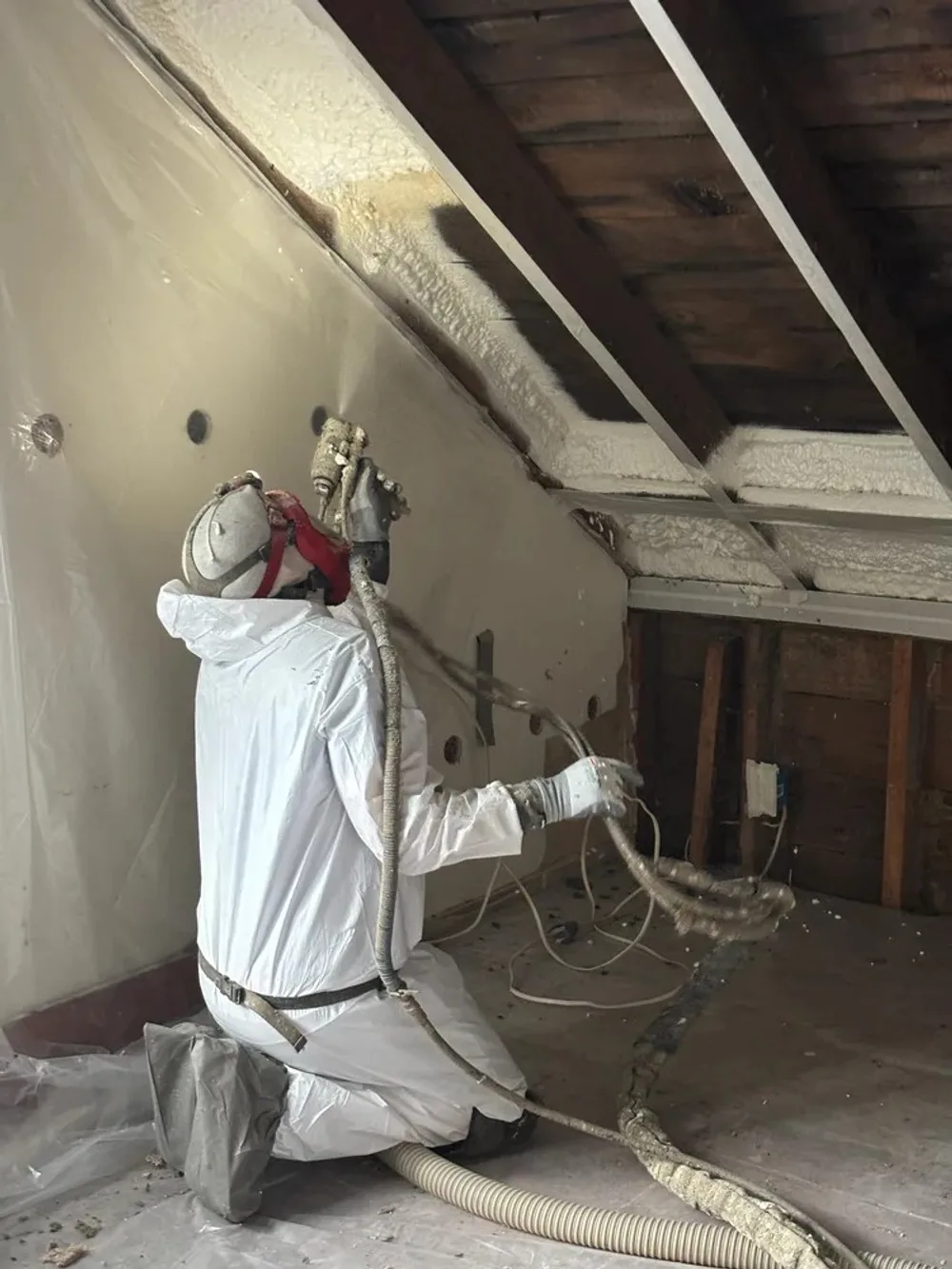
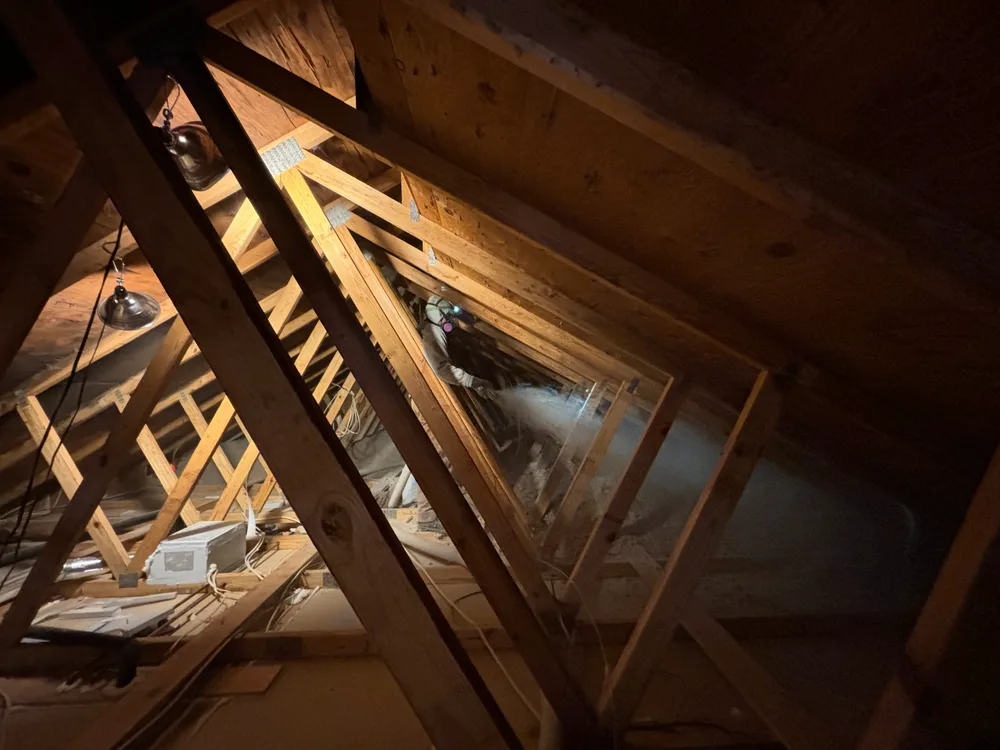
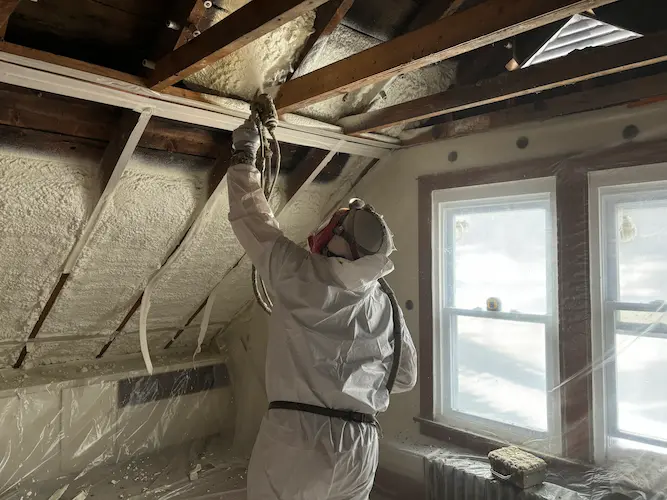
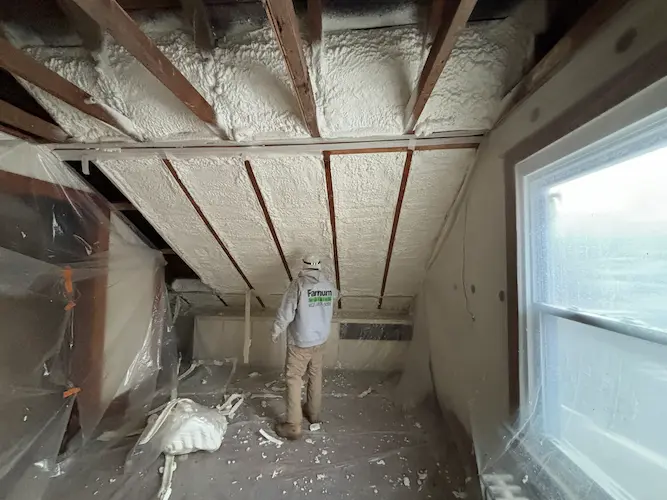
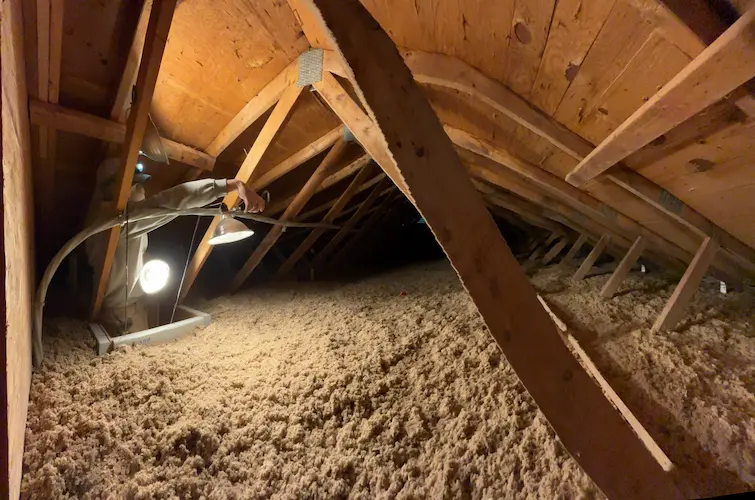
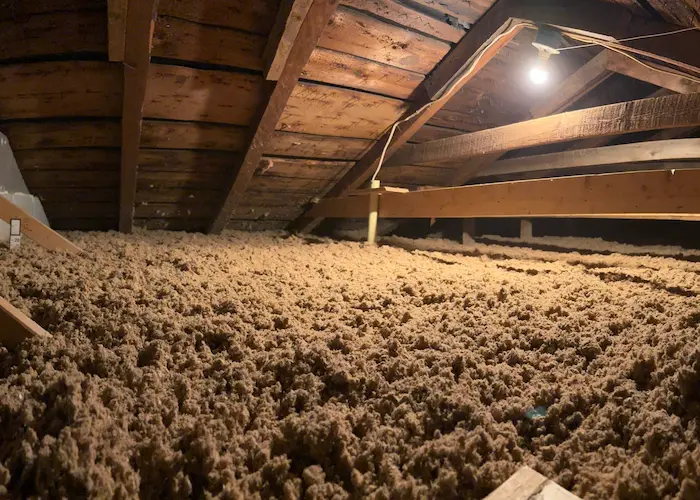
Walpole homes perform best with a combination of cellulose in the attic and spray foam in the basement and crawl space. Cellulose is the right attic material for this area — it fills irregular cavities, allows the building to breathe, and works well with the older framing common in Walpole's Colonial and Federal-style properties. For below-grade spaces, spray foam is a stronger choice. The Connecticut River Valley's humidity makes moisture control a year-round concern, and spray foam handles both air sealing and moisture resistance in one application. If we encounter knob-and-tube wiring during the assessment — which is not uncommon in older Walpole properties — we flag it before any insulation work begins.
What R-value should Walpole NH homeowners aim for when insulating?
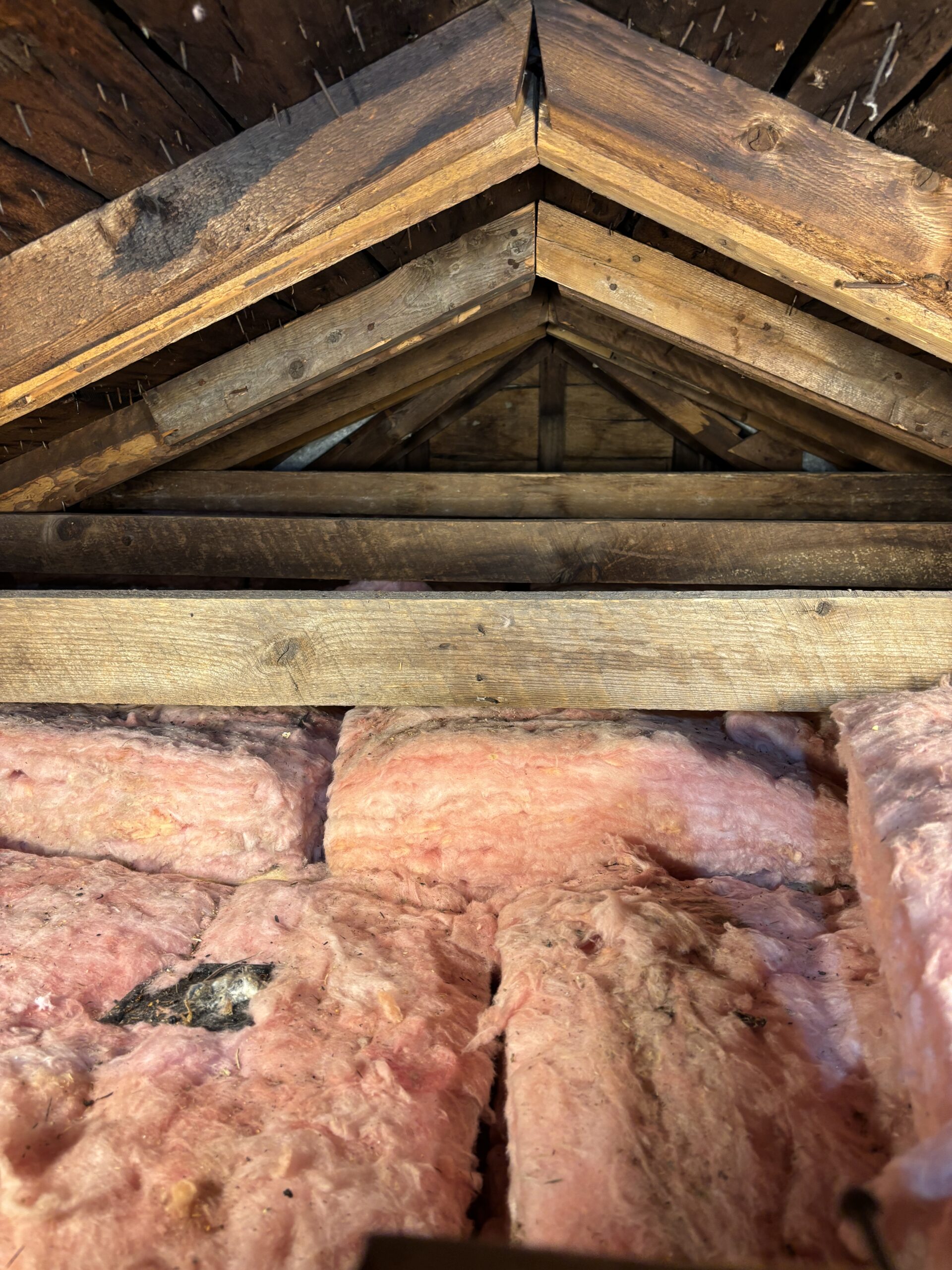
New Hampshire's climate zone calls for R-49 to R-60 in attics, R-21 in walls, and R-15 minimum in basements and crawl spaces. R-value is the standardized measure of how effectively an insulation material resists heat transfer. A higher R-value means less heat escapes through a given surface, which directly reduces how much your heating system runs. Walpole's older Colonial and Federal-style homes frequently have attics at R-11 or less — well below modern recommendations. Getting those spaces to R-49 or higher is typically the highest-impact improvement available. For basement and crawl space work, spray foam delivers a higher R-value per inch than cellulose, which matters in the tight rim joist areas common in this area's framing. Our property assessment measures current R-values and identifies the upgrades with the greatest return for your specific property.
When is the right time to get insulation work done in Walpole NH?
Walpole insulation projects can be scheduled at any time of year, and we carry out work in every season. Late spring through early fall is generally the most practical window for most homeowners. Scheduling earlier in the year gives you more flexibility on timing and avoids the busy period in late summer when demand picks up across the region. For older Colonial and Federal-style homes in Walpole where we may encounter knob-and-tube wiring, earlier scheduling also gives us time to coordinate with an electrician if needed before installation can proceed. New Hampshire utility rebates sometimes have specific application periods worth factoring in. If you have a specific driver — a home sale, a renovation, a rebate deadline — let us know when you reach out and we will plan around it.
What are the key benefits of upgrading insulation in a Walpole NH home?
Upgrading insulation in a Walpole home delivers a set of interconnected benefits that reinforce each other. The most immediate improvement is comfort — rooms that previously lost heat through under-insulated attics, rim joists, or basement walls hold temperature more steadily, and drafts from air infiltration points disappear after air sealing is completed. The heating system benefits as well: when it is not compensating for continuous heat loss, it runs in shorter, more efficient cycles, which reduces wear and extends equipment lifespan. For Walpole's Colonial and Federal-style homes, moisture management is a particularly important long-term benefit. The right insulation setup, paired with proper vapor control, protects original plaster, wood framing, and masonry from the humidity of the Connecticut River Valley. Reduced noise from exterior walls is another benefit that homeowners often mention after attic and wall insulation projects are completed. New Hampshire rebate programs help reduce the upfront cost of achieving all of these benefits.