Which insulation material is most effective for Westminster VT homes?
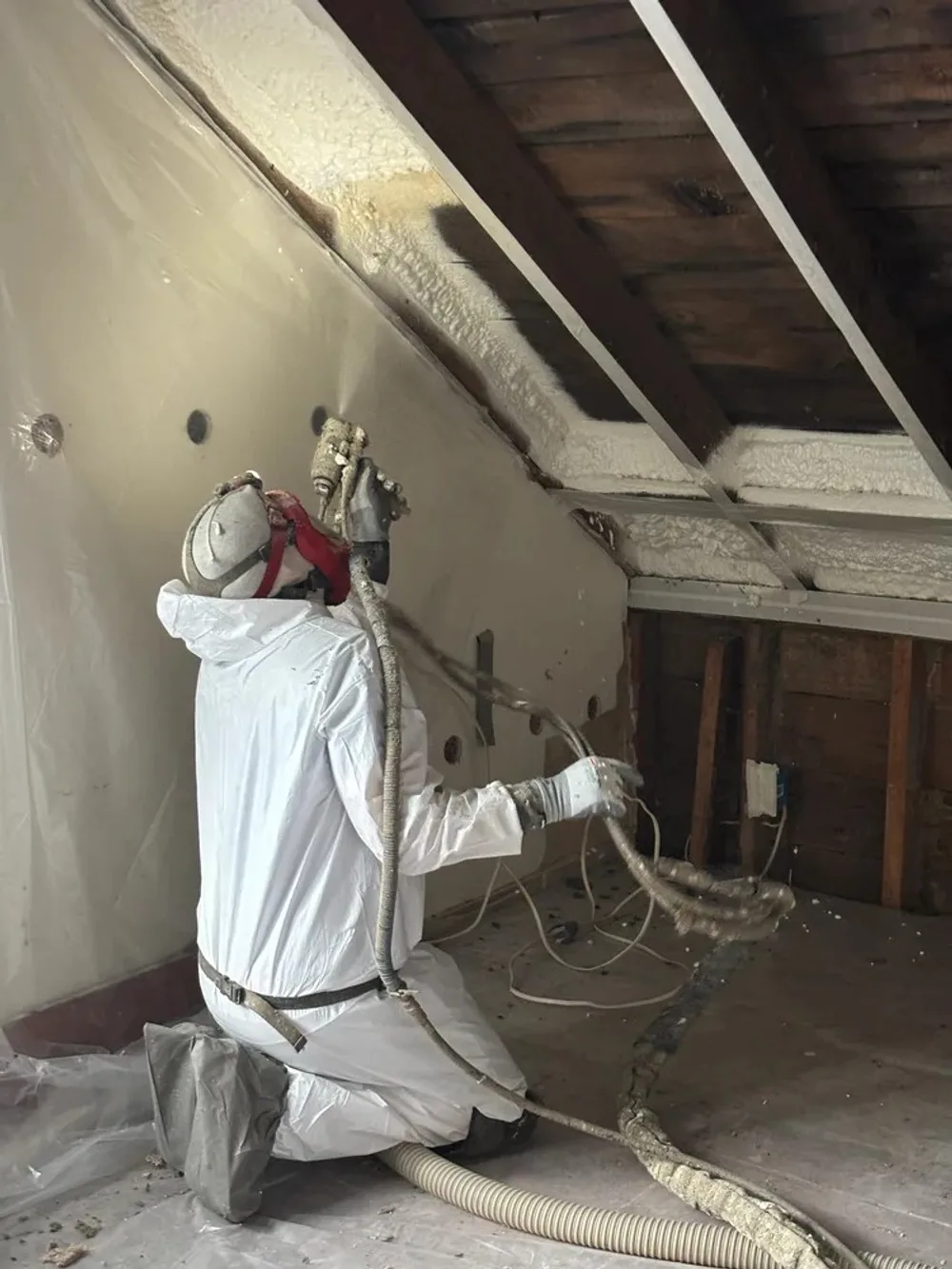
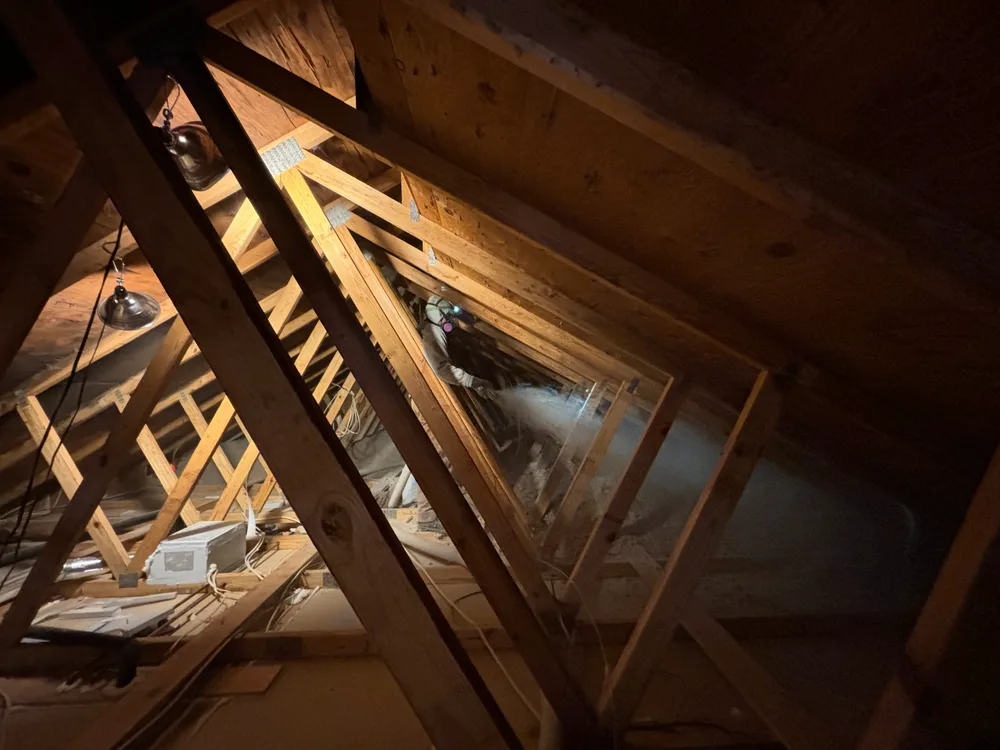
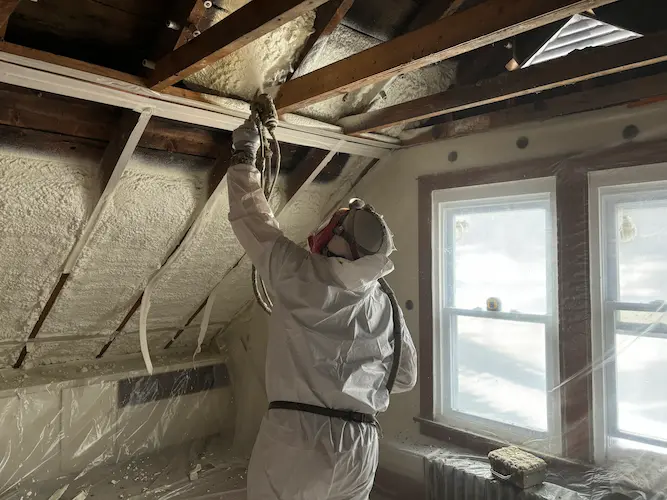
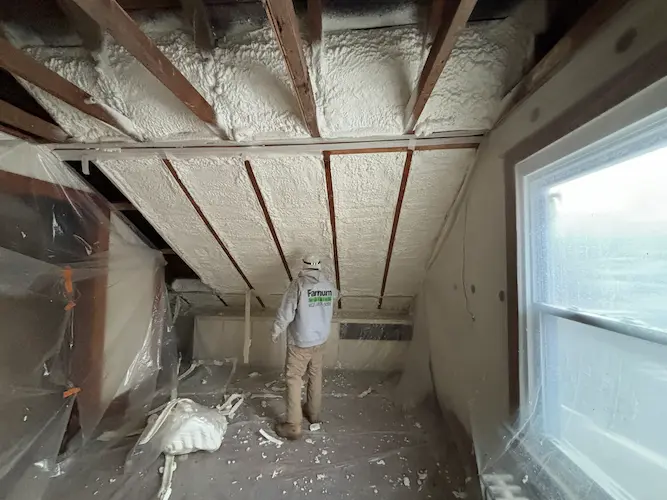
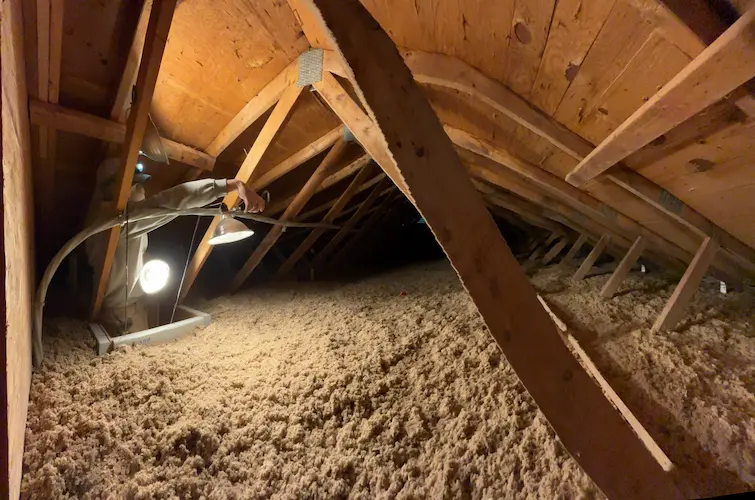
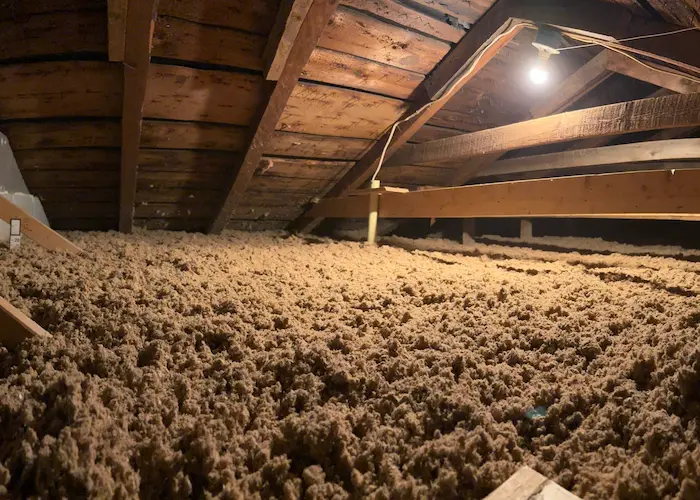
Westminster homes — especially those near the Connecticut River — benefit from insulation that addresses both thermal performance and moisture management. For attics, cellulose is our primary recommendation. It provides reliable R-value, works with a range of construction types, and is made from recycled materials. For basements and crawl spaces, spray foam is the more effective material. The Connecticut River Valley brings year-round humidity, and spray foam's moisture resistance makes it the right choice below grade. Getting the vapor management right is as important as the insulation itself in this area, which is why we assess each property before making any material recommendations.
What R-value requirements apply to homes in Westminster VT?
Vermont building standards recommend R-49 to R-60 for attics, R-21 for walls, and R-15 minimum for crawl spaces and basements. R-value is the numerical rating that describes how well an insulation material resists heat flow — the higher the number, the less heat escapes through that surface. For Westminster homes near the Connecticut River, moisture management is part of the same equation. Insulation that traps moisture can degrade over time, reducing its effective R-value even if it looked correct at installation. Choosing the right material for each area — cellulose for attics, spray foam for below-grade spaces — ensures that R-values hold up over the long term. Our certified team measures existing R-values and accounts for moisture conditions when building a plan for your property.
Does the time of year affect when insulation should be installed in Westminster VT?
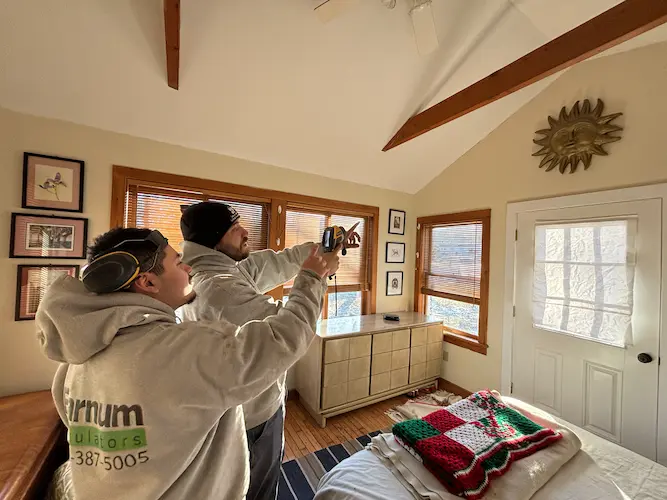
Insulation work can be done year-round, and we complete projects in Westminster in every season. That said, late spring and summer offer some practical advantages. For homes near the Connecticut River, dry conditions make it easier to accurately assess existing moisture levels in basements and crawl spaces before recommending materials. Installing vapor barriers and spray foam in below-grade spaces is most effective when we have a clear baseline for how the space behaves. For attic work, summer gives us good access and clear conditions for thermal imaging. If ice dam prevention is a concern, getting the attic air sealed and insulated before the weather turns is the right sequence. We accommodate urgent projects and renovation-driven timelines as well — call us whenever you are ready and we will find a scheduling window that works.
What long-term benefits does insulation deliver for Westminster VT homeowners?
Insulation is one of the few home improvements that delivers benefits across multiple dimensions over the long term. For Westminster homes near the Connecticut River, moisture protection is a significant long-term benefit that often gets overlooked. Properly installed insulation with the right vapor management approach prevents moisture from accumulating in wall cavities, foundations, and crawl spaces — protecting the structural integrity of the home for decades. Comfort is the immediate benefit most homeowners notice: fewer drafts, more even temperatures, and a building that holds conditioned air without the heating system running constantly. Air sealing, done alongside every insulation project, reduces outdoor air infiltration and improves indoor air quality. Heating and cooling equipment lasts longer when it runs in efficient cycles rather than working against a poorly insulated envelope. Efficiency Vermont rebates make these long-term benefits accessible upfront by reducing the initial project cost.