What insulation works best in Halifax VT homes given the demanding climate?
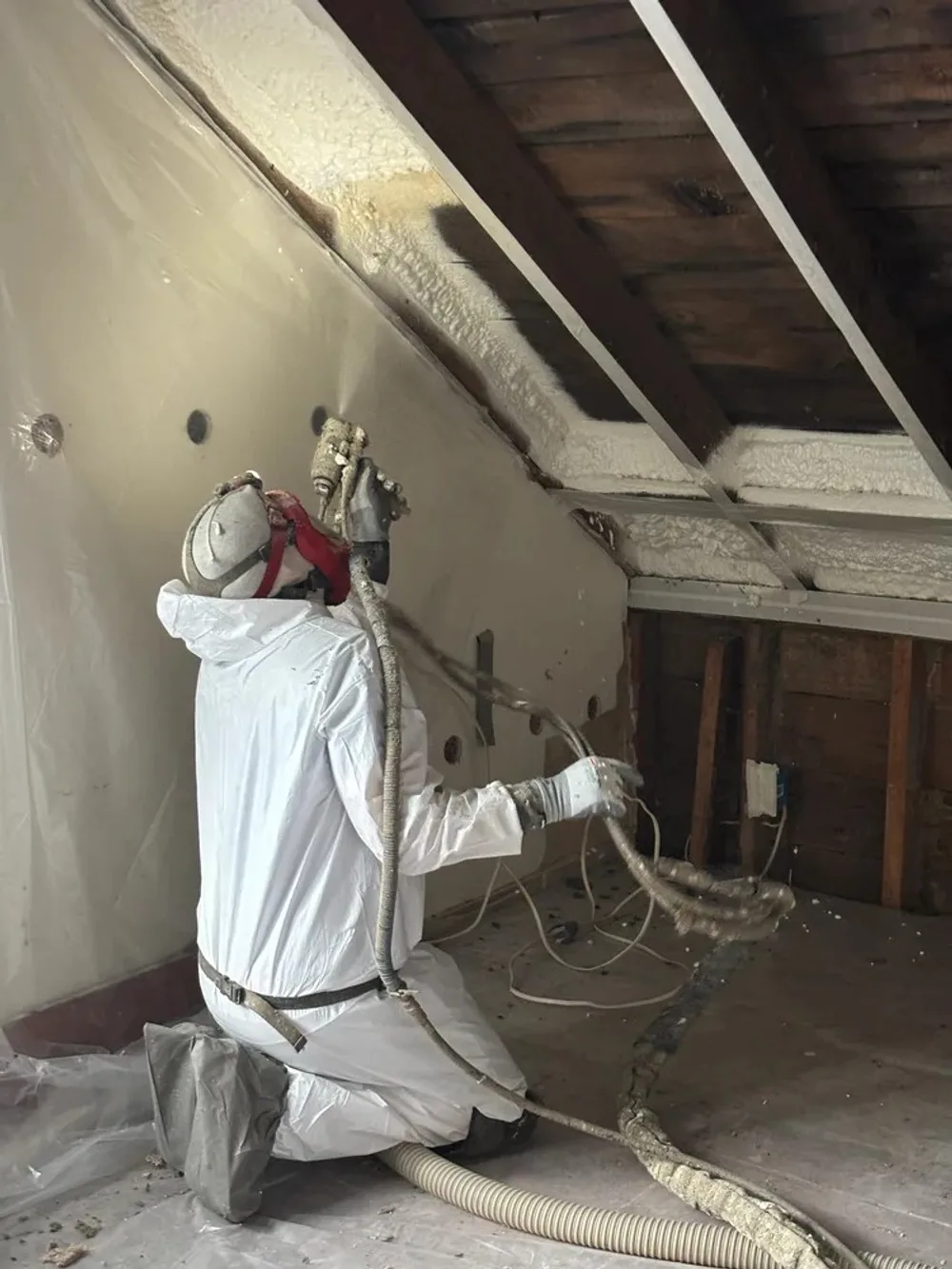
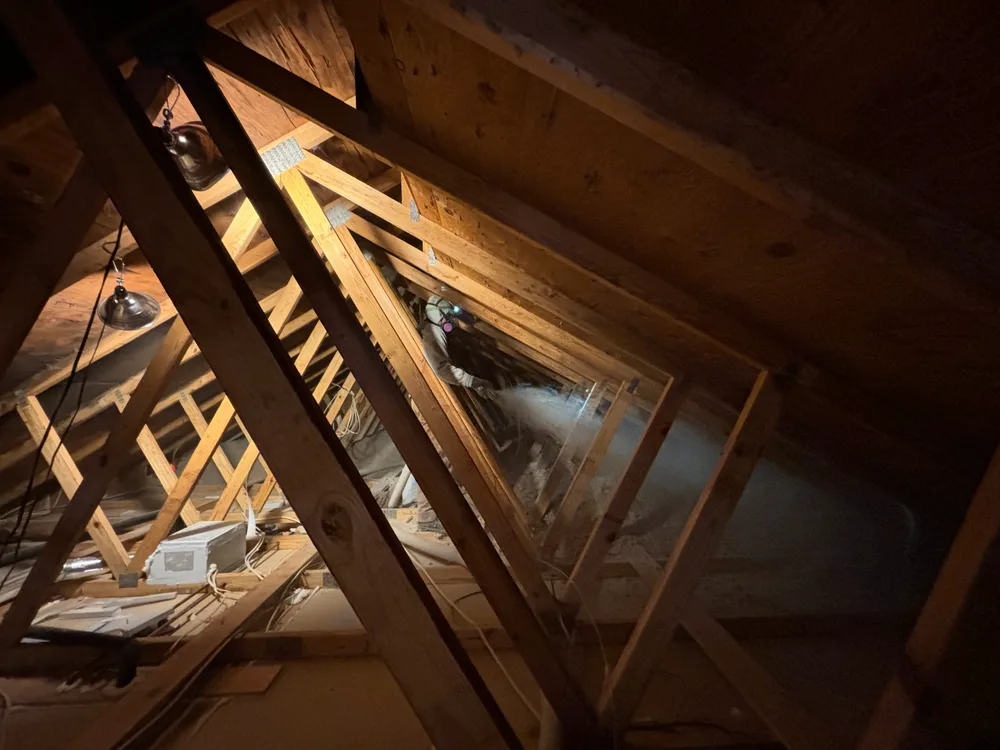
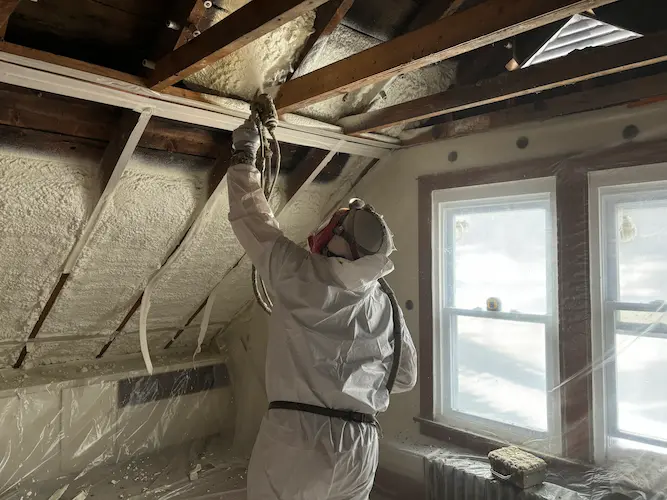
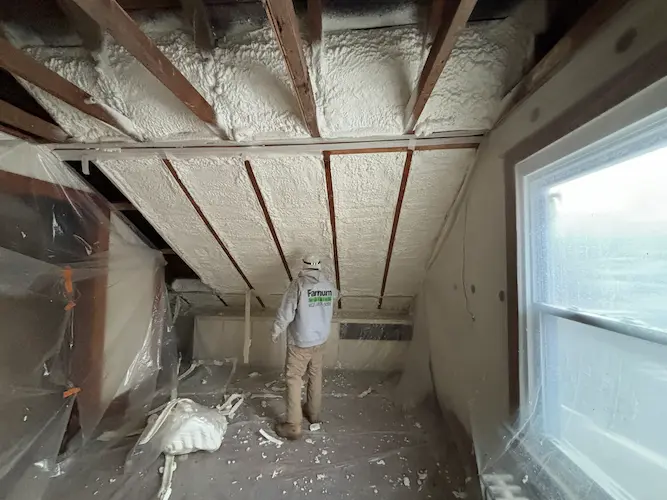
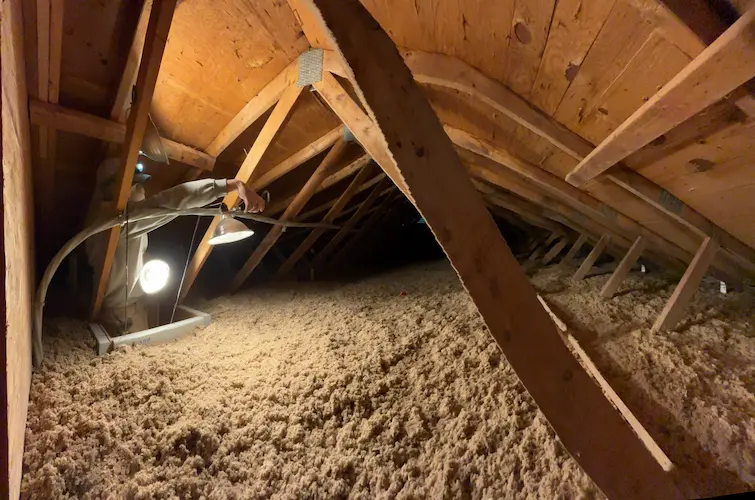
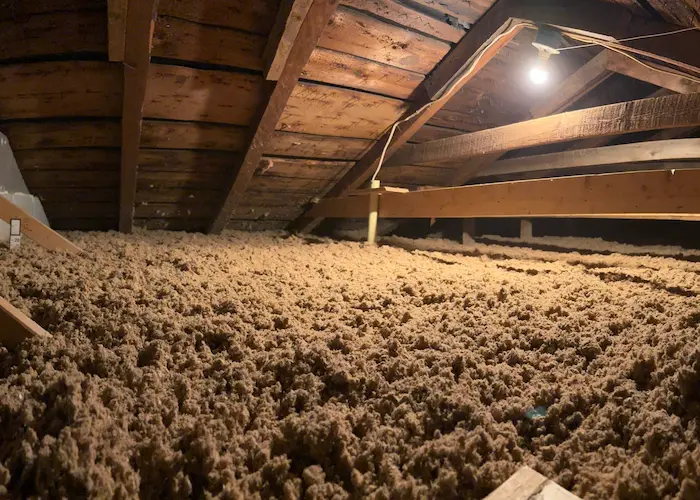
Halifax homes require insulation that performs under some of Vermont's most extreme conditions. For attics, blown-in cellulose is a proven and cost-effective choice — it creates a dense thermal barrier and handles the significant temperature demands of this area. For basements, foundations, and crawl spaces, spray foam is the right material. It maintains its R-value in severe cold, resists moisture, and seals the air gaps that are especially problematic in homes with older or irregular framing. In properties where below-grade pipe protection is a concern, spray foam at the rim joist and crawl space perimeter provides an added layer of resilience. Our certified assessment tells us exactly which material goes where based on your home's specific construction and condition.
What R-value targets matter most for Halifax VT homes?
For Halifax properties, Vermont recommends R-49 to R-60 in attics, R-21 in walls, and R-15 to R-25 in basements and crawl spaces. R-value measures the thermal resistance of an insulation material — it tells you how much that material slows heat from moving through the building envelope. In Halifax, which sits in one of Vermont's most demanding climate zones, hitting target R-values is particularly important. Older properties in this area often have minimal or no insulation in attics and foundations, leaving the building envelope far below what the climate demands. Cellulose in the attic provides reliable coverage across the full R-value range recommended for this zone. In below-grade areas, spray foam reaches a higher R-value per inch, which is important in spaces where adding significant thickness is not practical. Our certified assessment determines current R-values for every part of your home before we propose any scope of work.
When should Halifax VT homeowners schedule their insulation project?
Halifax properties present some specific scheduling considerations. Many homes in the area are on unpaved roads that become difficult to navigate with equipment during mud season in March and April. We recommend reaching out from late spring onward to avoid access complications. Summer and early fall are the most practical windows for Halifax projects — conditions are favorable, and getting work completed before the heating season gives your home the full benefit of the upgrade going into the period when it matters most. Halifax also sits in one of Vermont's more remote areas, so scheduling early ensures we can plan the logistics around your property's location. We install year-round when access allows and urgency demands it, so if you have an immediate concern, contact us and we will assess what is feasible.
What specific benefits does insulation provide for properties in Halifax VT?
Halifax properties benefit from insulation in ways that are especially pronounced given the area's climate and housing stock. Comfort is the most immediate gain — homes that previously lost heat through under-insulated attics and foundations hold temperature more consistently, and the heating system runs in more efficient cycles rather than struggling to keep up. For properties relying on propane, oil, or wood heat, that reduction in system workload translates directly to lower fuel consumption over time. Moisture protection matters significantly in Halifax, where freeze-thaw cycles stress foundations and crawl spaces. Spray foam in below-grade areas seals the points where moisture and cold air enter, protecting the structural elements of the building from long-term damage. Air sealing as part of the project reduces drafts and outdoor air infiltration throughout the home. For remote Halifax properties that are occasionally unoccupied, proper insulation also provides protection against pipe damage by maintaining safer interior temperatures with minimal fuel input.