Which type of insulation is the right fit for Putney VT properties?
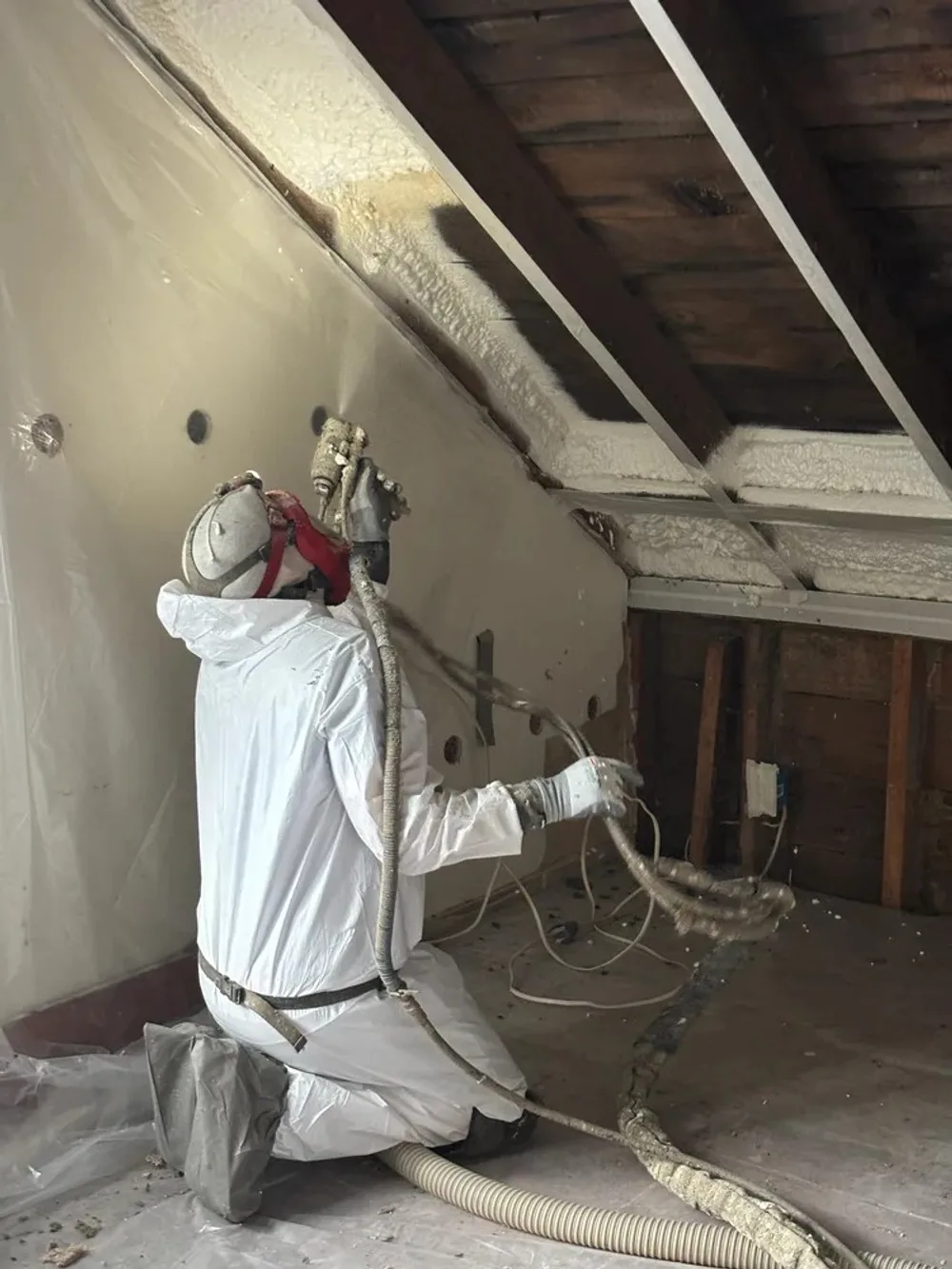
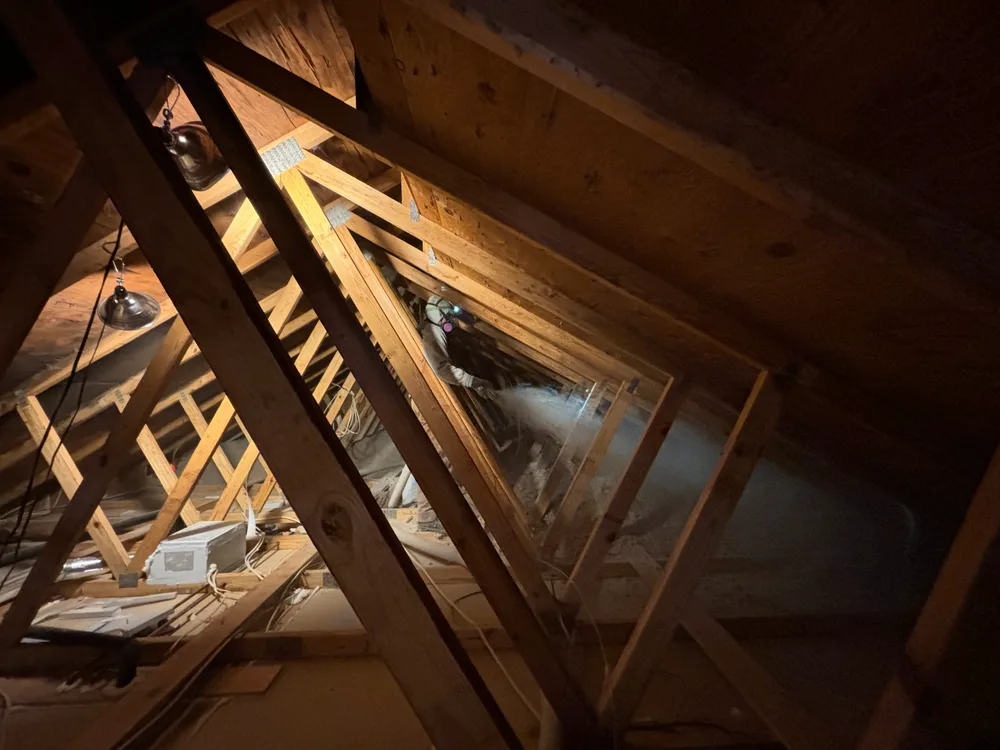
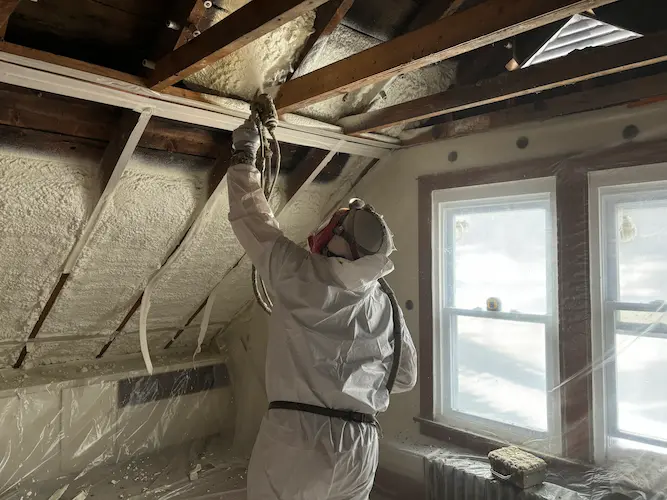
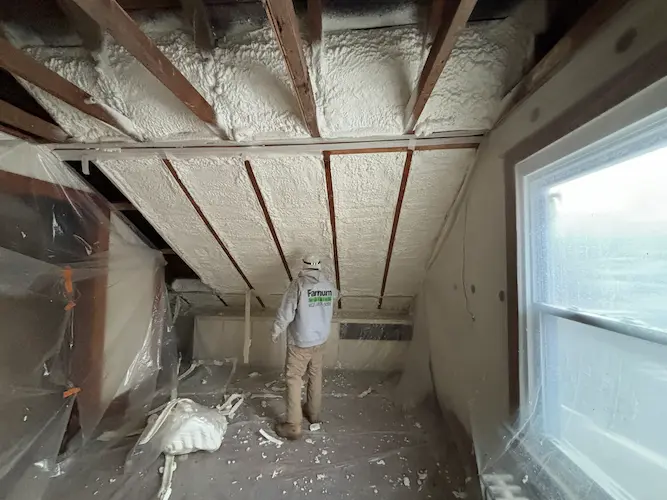
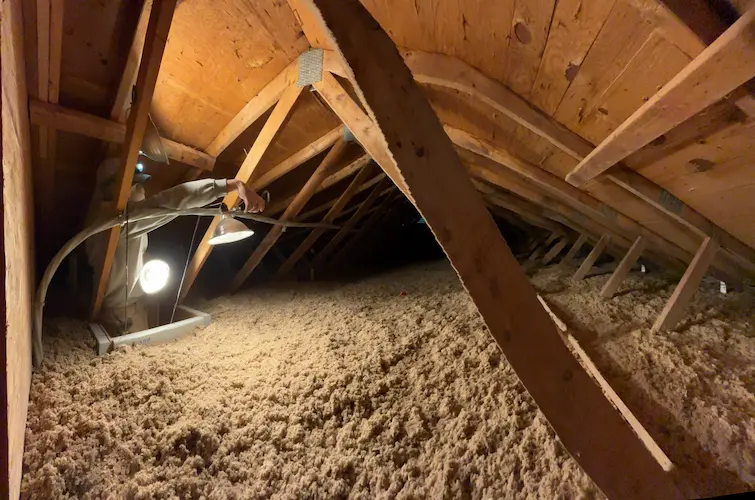
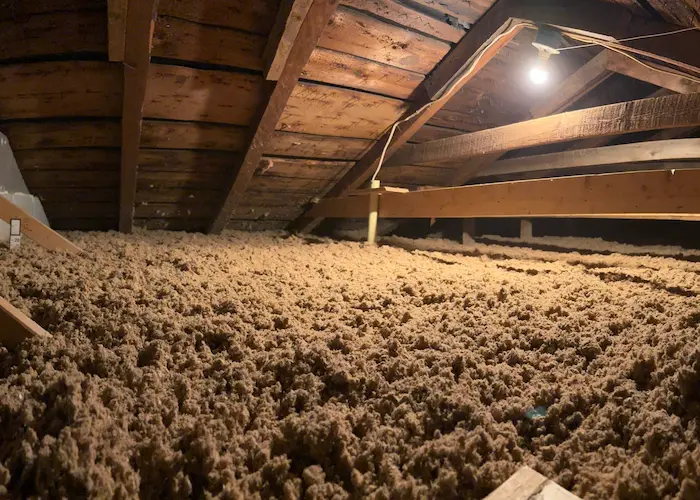
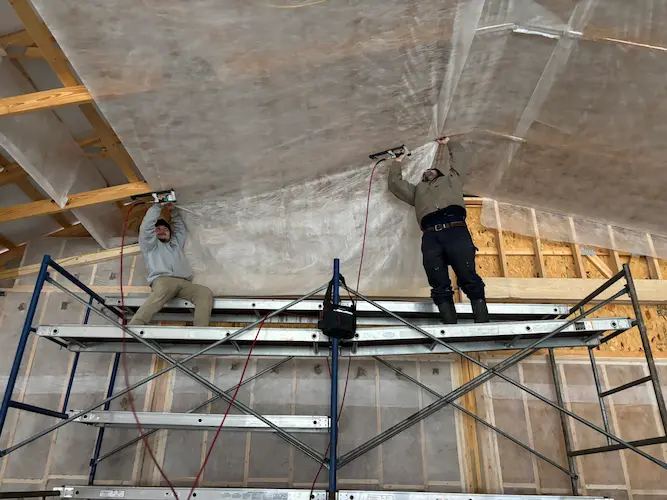
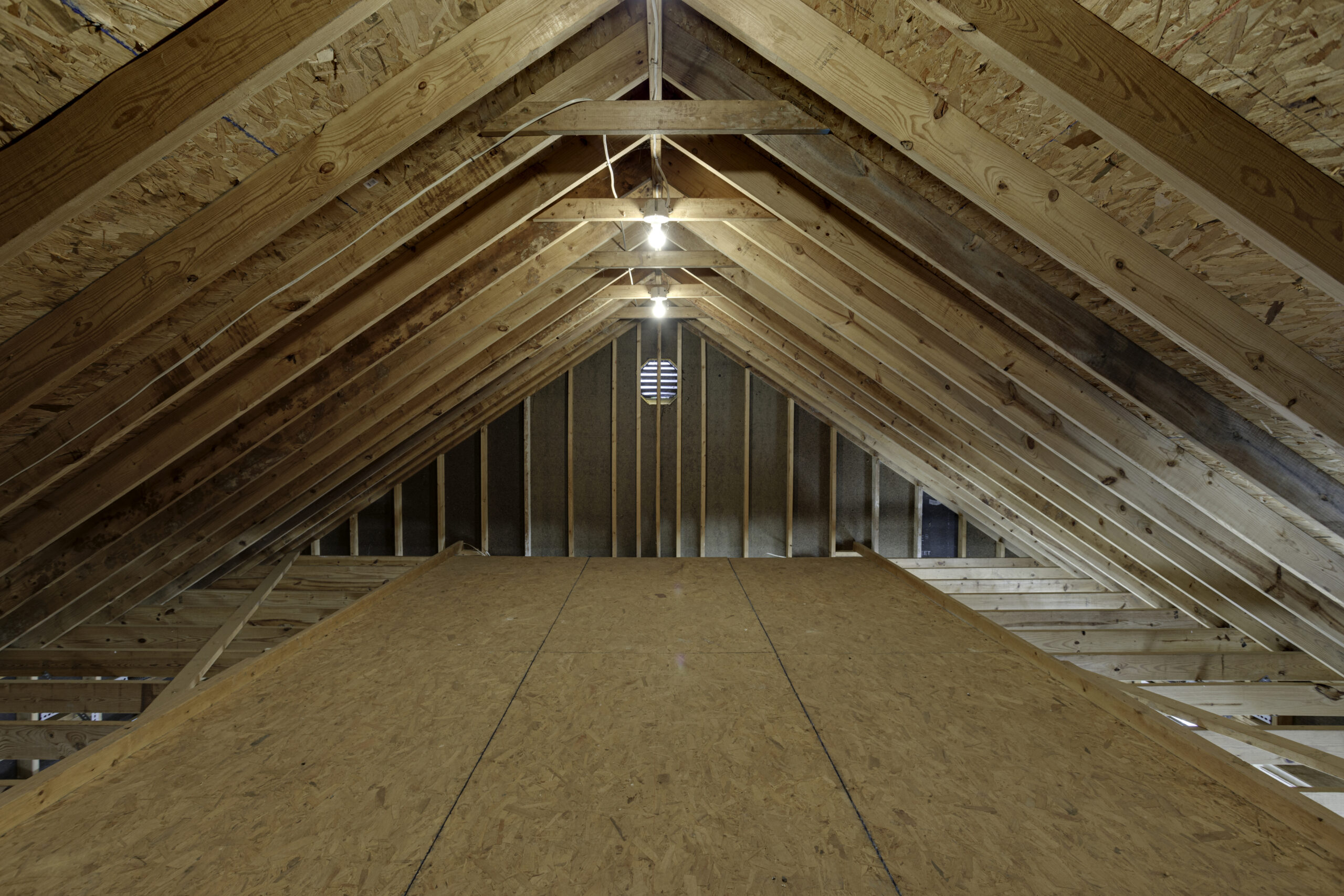
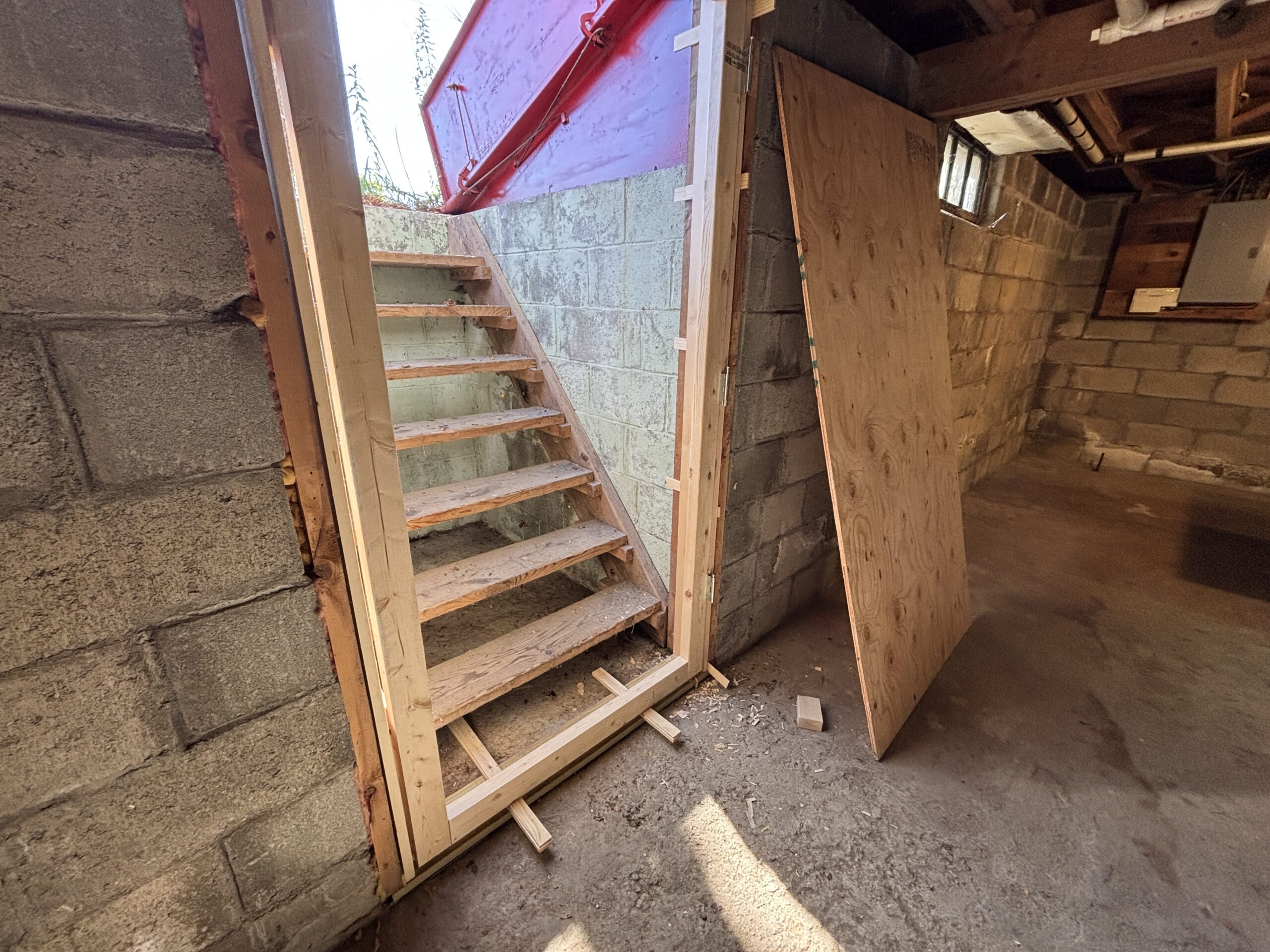
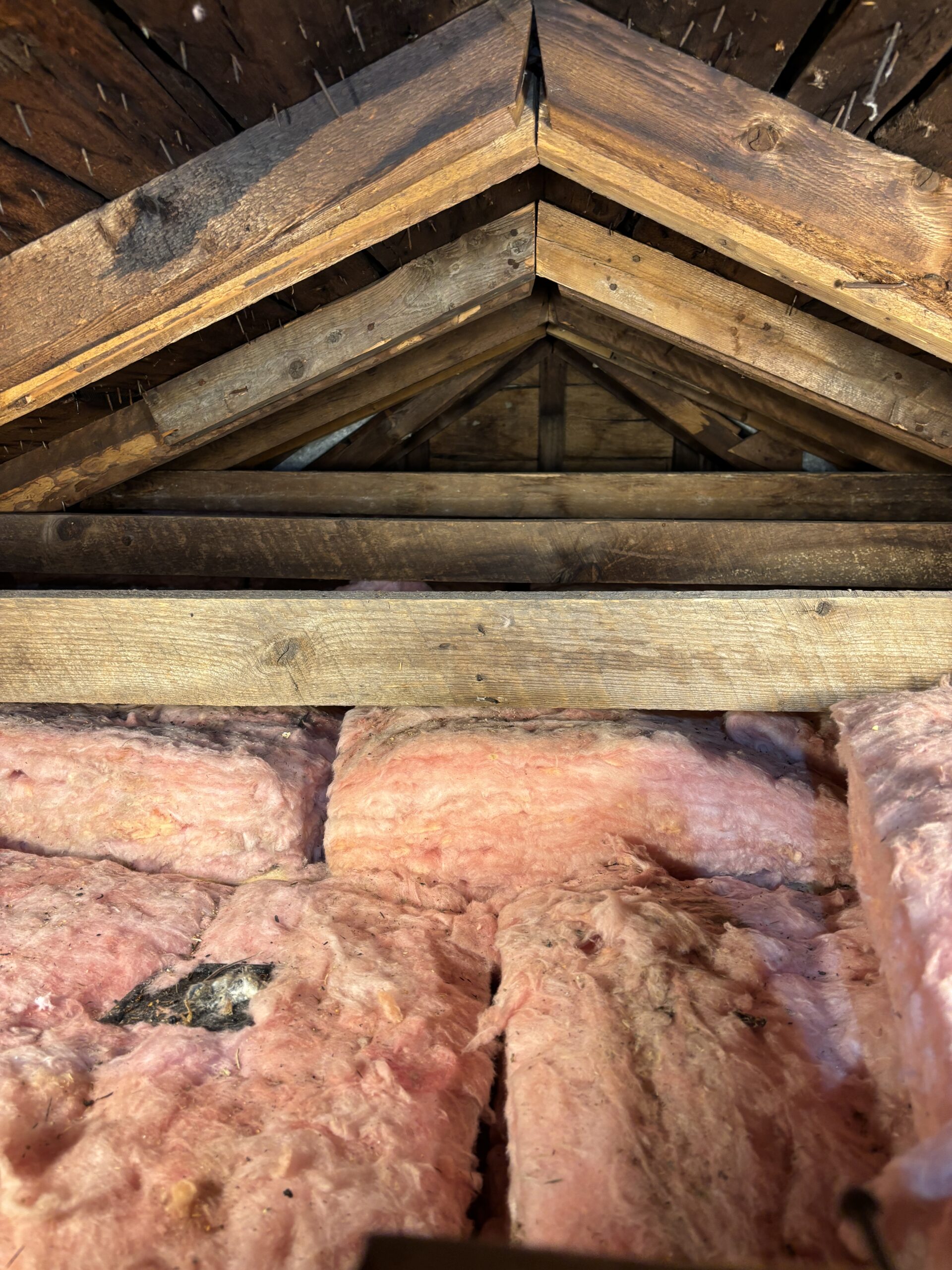
The right insulation for a Putney property depends on its construction and where the work is being done. For attics in farmhouses and post-and-beam structures — which are common in this area — cellulose is typically the best fit. It fills irregular cavities well, allows the building to breathe, and has a low environmental footprint that aligns with Putney's sustainability values. For basements and crawl spaces, we use spray foam. It handles the moisture that comes with the Connecticut River Valley climate and delivers a higher R-value per inch than cellulose. The two materials work together, each doing what the other cannot.
Why does R-value matter so much for Putney VT properties?
R-value is the measure of how effectively insulation resists heat transfer. In Putney's climate, where temperatures can drop well below zero and heating fuel is expensive, the R-value of your insulation directly affects how hard your heating system has to work. Vermont's recommended targets are R-49 to R-60 for attics, R-21 for walls, and R-15 minimum for basements. Post-and-beam and farmhouse construction — common in Putney — often has irregular cavities that are difficult to insulate to consistent R-values without using the right materials and techniques. Dense-pack cellulose and spray foam both conform to these spaces well, making it possible to reach target R-values even in challenging framing. Our certified assessment measures existing R-values throughout your property and identifies where upgrades will have the most impact.
When should Putney homeowners schedule their insulation project?
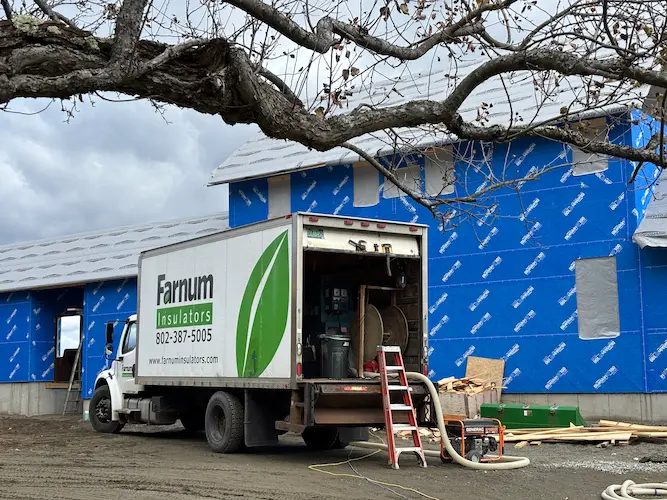
We work year-round, but late spring and summer are often the best windows for Putney projects. Many properties in the area are on unpaved roads that become difficult to access with equipment during Vermont's mud season in March and April. Getting the assessment and installation done before that window closes — or waiting until the ground firms up in late spring — avoids access delays. Farmhouses and post-and-beam structures also benefit from being assessed in dry conditions, when moisture patterns are easiest to evaluate. If you are planning to apply for Efficiency Vermont rebates, starting the process earlier gives you time to complete the paperwork without rushing. Reach out whenever you are ready and we will work out a schedule that fits your property and timeline.
What does a well-insulated home in Putney VT actually feel like day to day?
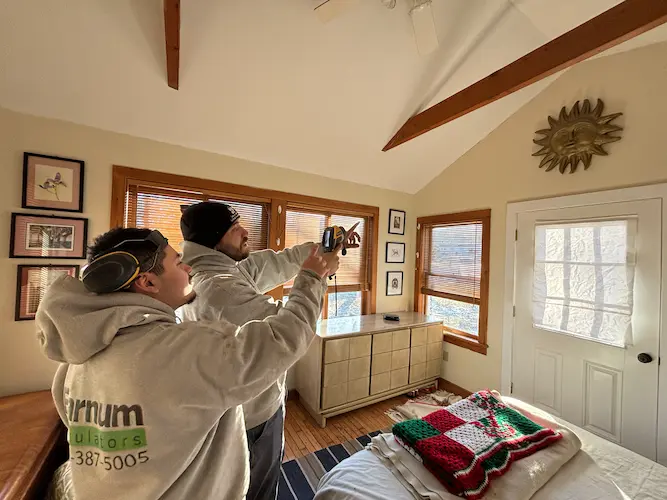
The difference in a properly insulated Putney home is noticeable from the first day. Rooms that previously felt cold near exterior walls or floors hold temperature more evenly because the building envelope is doing its job. Drafts disappear. The heating system runs in shorter, more efficient cycles instead of struggling to compensate for constant heat loss. For farmhouses and post-and-beam structures common in Putney, good insulation also means better moisture management — protecting the original framing and foundation materials that give these buildings their character. Air sealing, which we do alongside every insulation project, reduces the infiltration of outside air, dust, and allergens. The result is a home that is quieter, more comfortable, and easier to maintain at a consistent temperature without the system running constantly.