What type of insulation is most suitable for Guilford VT homes?
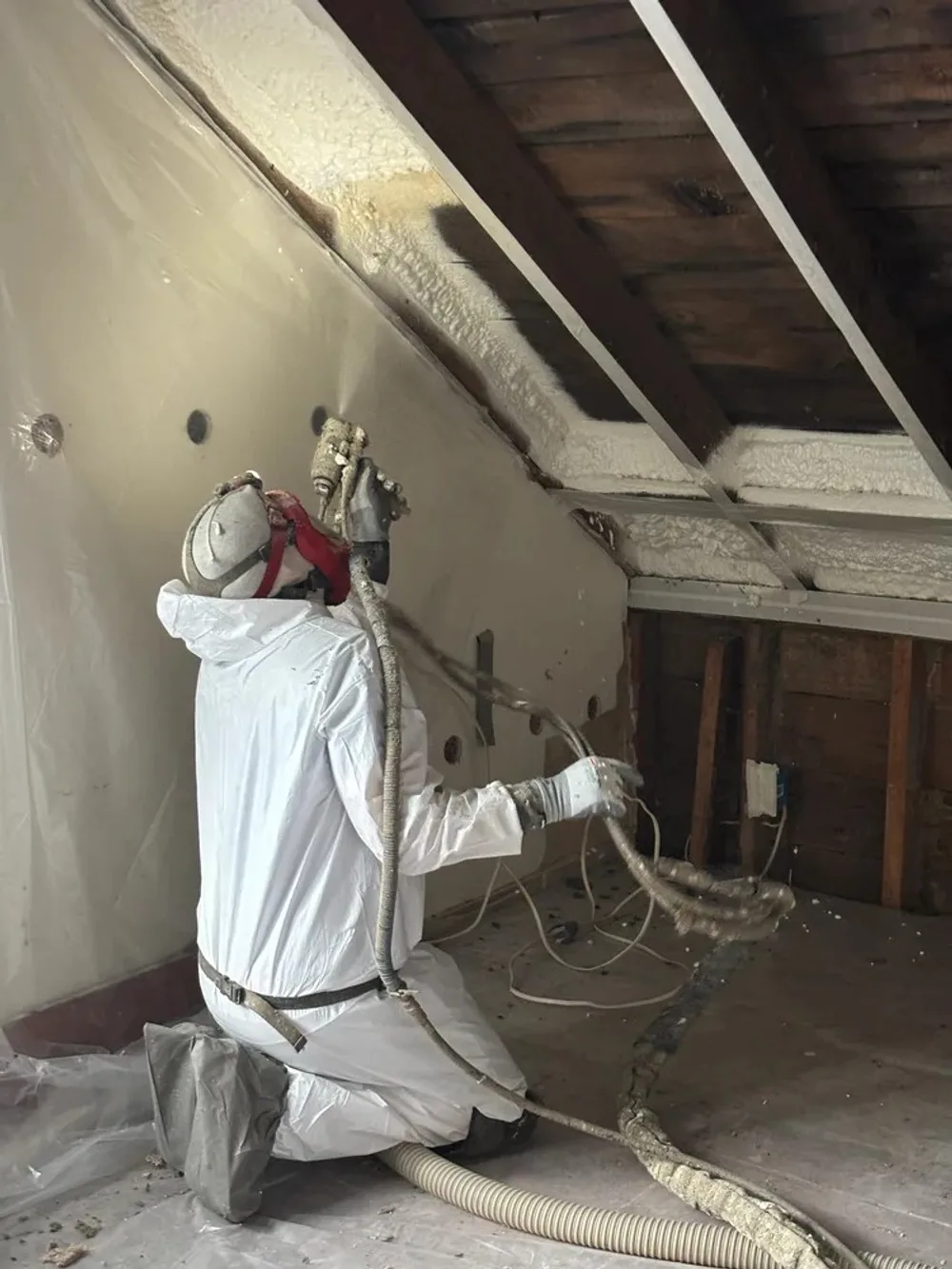
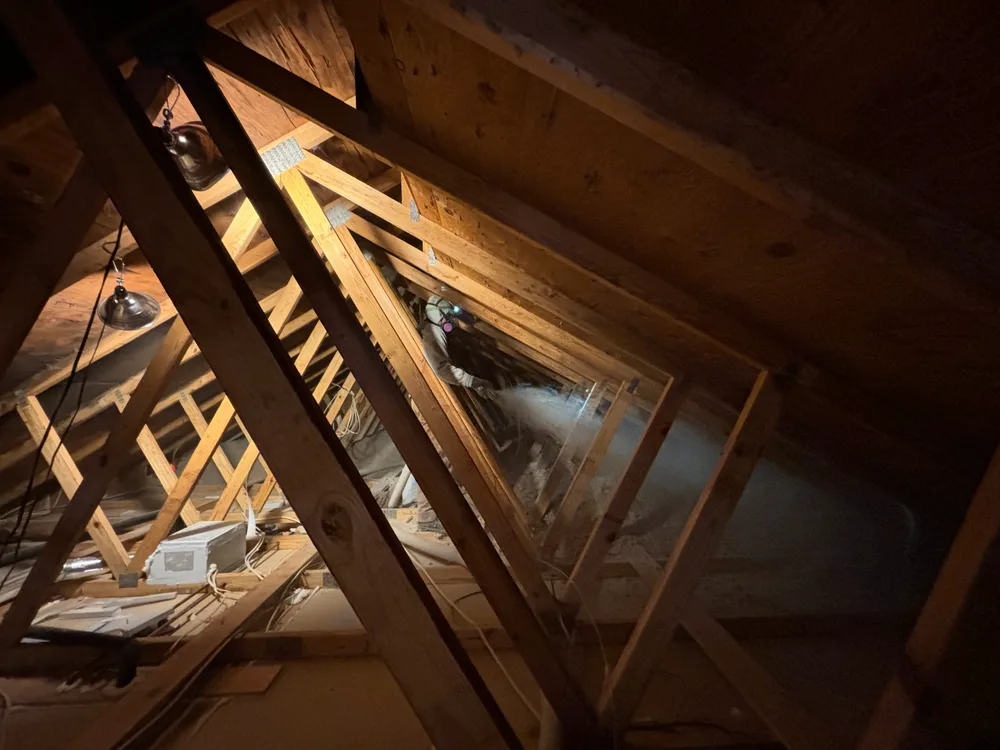
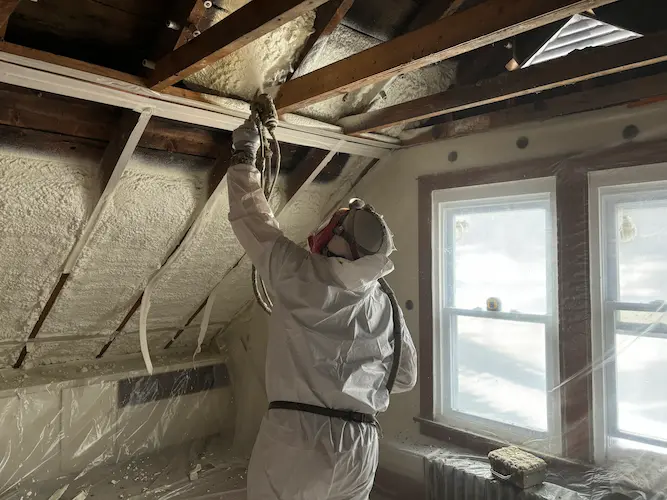
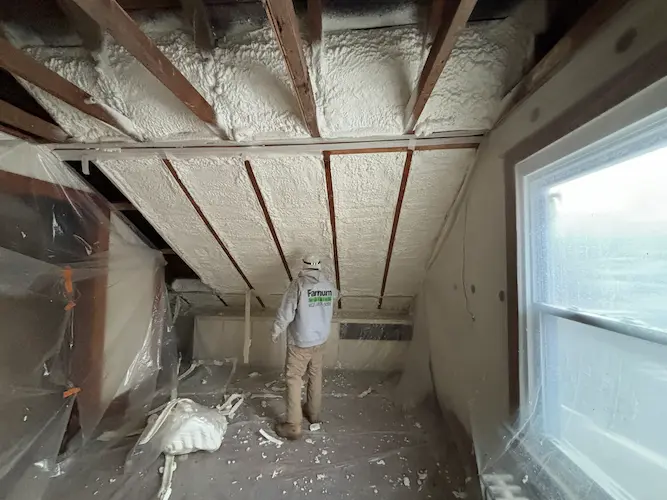
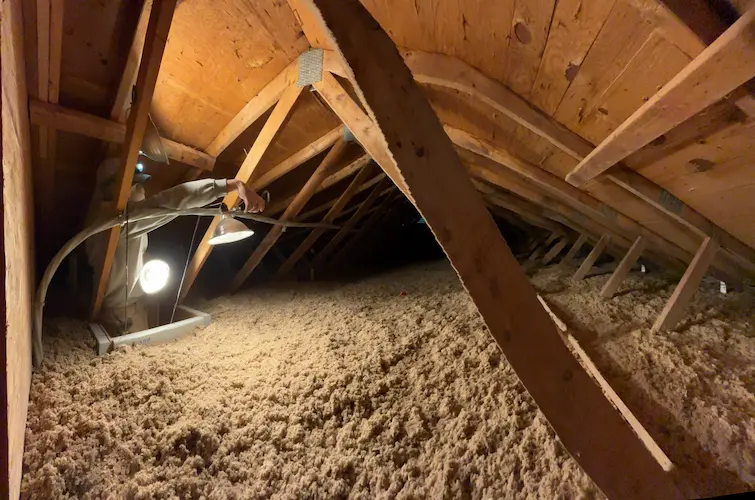
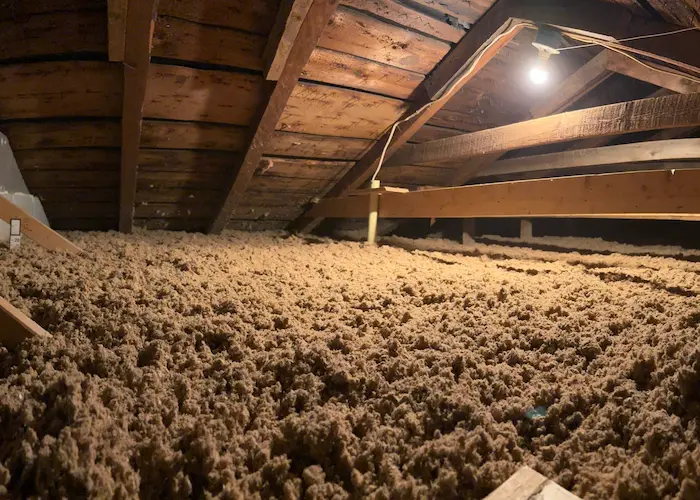
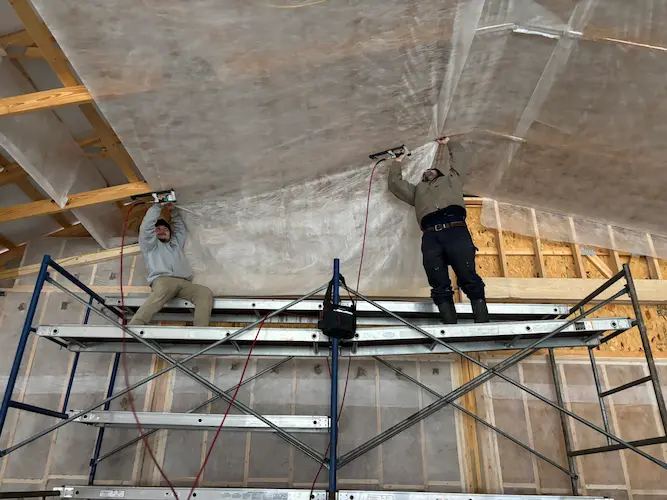
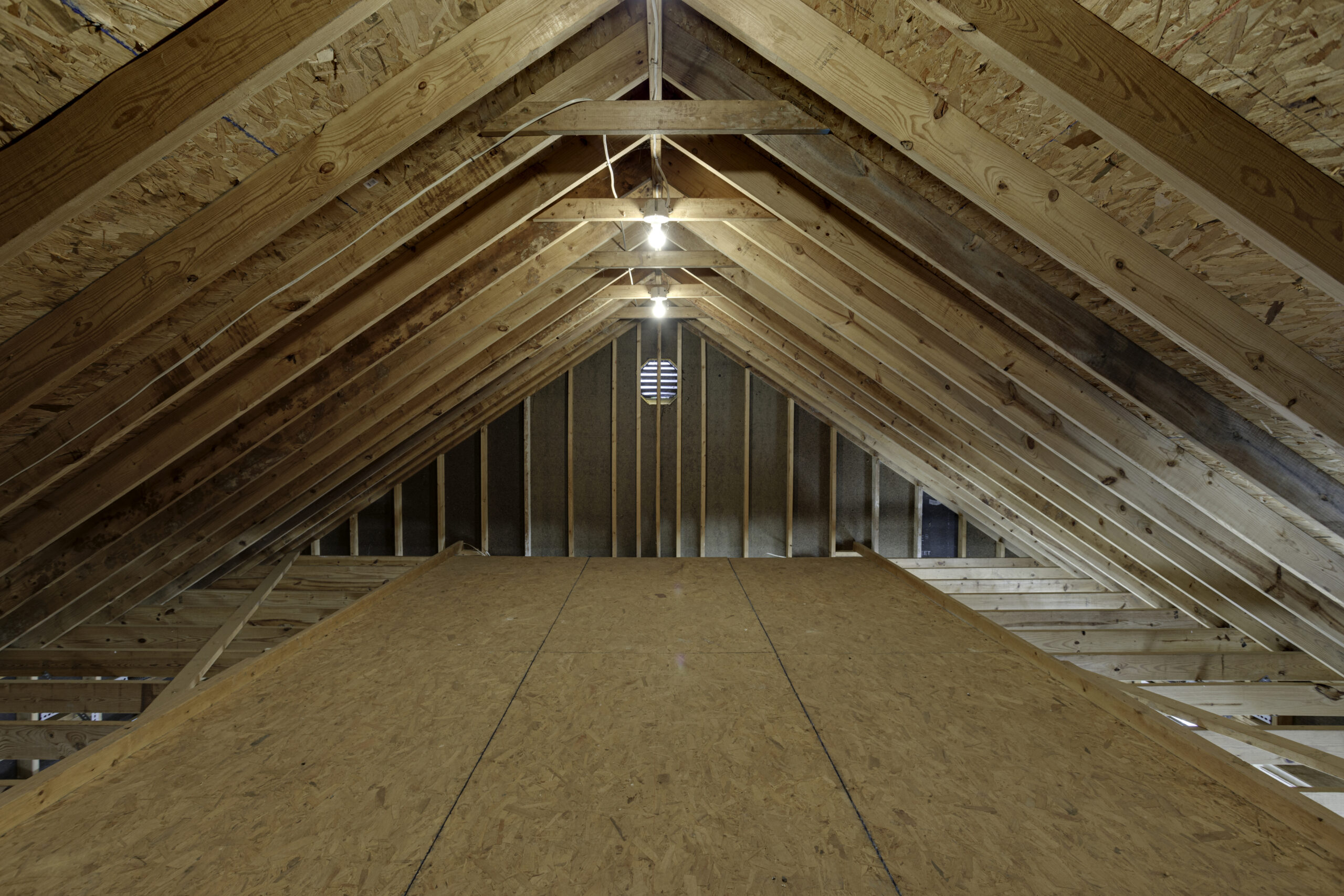
For Guilford properties, the most effective approach combines cellulose in the attic and spray foam in below-grade spaces. Cellulose is our go-to attic material — it is affordable, made from recycled content, and performs well in Vermont's climate. It also works with the older construction that is common in Guilford, where breathability matters to protect original wood framing. For basements and crawl spaces, spray foam delivers better results. It provides a higher R-value per inch, seals air infiltration at the rim joist and foundation, and resists moisture. Together, the two materials address the main energy loss points in most Guilford homes. Our thorough property assessment identifies exactly where each material will have the greatest impact on your specific property.
How important is R-value when insulating a Guilford VT property?
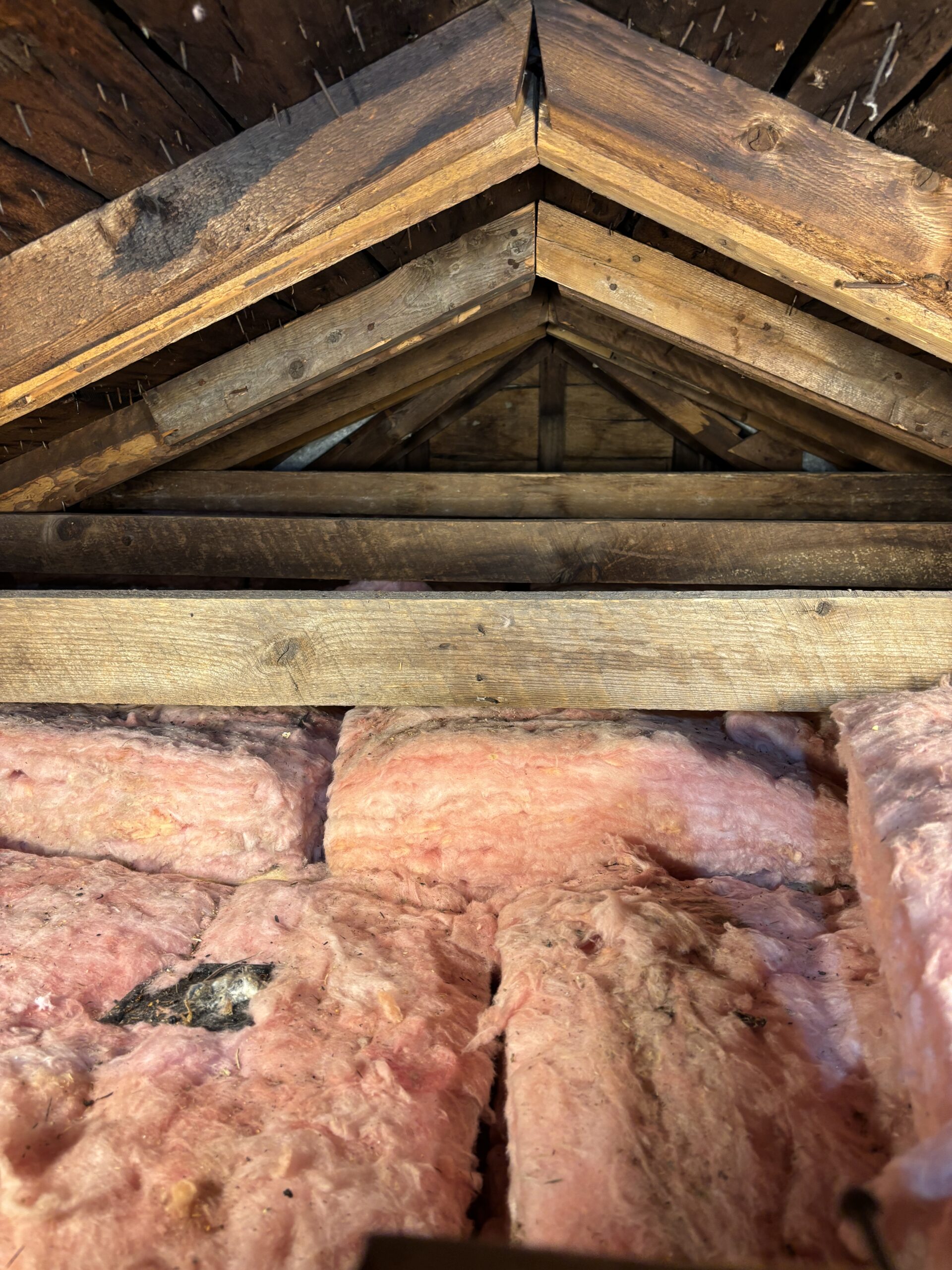
R-value is the core measurement for insulation performance — it quantifies how much resistance a material provides against heat moving through it. In Guilford, where propane and heating oil are the primary fuel sources and temperatures can be severe, reaching the right R-value in every area of the building is the foundation of an effective insulation upgrade. Vermont targets R-49 to R-60 for attics, R-21 for walls, and R-15 or higher for below-grade spaces. Many Guilford homes with older framing and construction have attics that fall significantly short of these numbers. A poorly insulated attic is the largest single source of heat loss in most homes, and closing that gap produces the most noticeable improvement. Our certified assessment measures R-values throughout the building so we can prioritize the areas with the biggest impact and build a plan that targets the right numbers in every space.
When is the ideal time to schedule insulation installation in Guilford VT?
We work year-round in Guilford, but late spring through early fall is when most projects come together most smoothly. Mud season in March and April limits access to properties on unpaved roads — which covers a lot of rural Guilford — so scheduling after the ground firms up avoids delays and potential access issues. Summer is also a good window for attic assessments, since heat buildup in upper floors makes problem areas more apparent. For Efficiency Vermont rebate applications, starting earlier in the year gives you more time to complete documentation before the heating season picks up and the process gets rushed. If you have an urgent situation or a project tied to a renovation, we work around your timeline. The main thing is to get in touch early so we have the scheduling flexibility to accommodate you.
How does proper insulation benefit Guilford VT homeowners over the life of the home?
The benefits of proper insulation in a Guilford home accumulate over time and span well beyond thermal performance. Comfort is the starting point — consistent temperatures, no cold drafts from foundations or attic penetrations, and a living environment that does not require the heating system to run continuously. Air sealing, which we include with every insulation project, reduces the infiltration of outside air, allergens, and moisture into the living space. For Guilford properties with older framing and construction, insulation also provides meaningful structural protection. Managing moisture correctly prevents condensation from forming inside wall cavities and foundations, which protects wood framing from long-term damage. Heating and cooling equipment benefits directly as well — systems that run efficiently in shorter cycles experience less wear and require less maintenance over time. Efficiency Vermont rebates bring these long-term benefits within reach by reducing the upfront investment required to achieve them.