
If you own a home in Vermont, there is a good chance moisture is silently working beneath your floors, and you might not even know it. Your crawl space is effectively the “boots” of your home. Just like wearing wet boots makes your whole body feel a chill, a damp crawl space radiates cold and moisture upward into your living room.
Vermont’s climate is uniquely punishing to these below-grade spaces. From the heavy spring snowmelt in Windham County to the humid summer nights in the Green Mountains, moisture is a year-round threat. Understanding how to fix crawl space moisture in VT homeowners’ homes is the first step toward a warmer, healthier, and more energy-efficient home. At Farnum Insulators, we believe you shouldn’t have to think about what’s under your floorboards. You can’t always see the difference our work makes, but you will definitely feel it.
Why Crawl Space Moisture Is So Common in Vermont
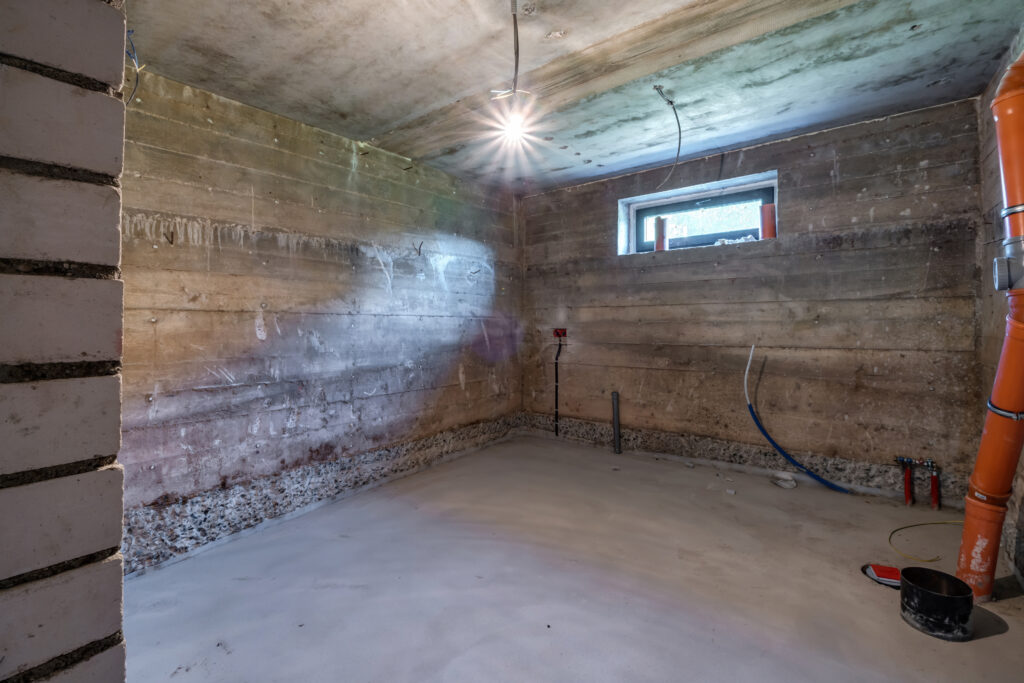
Our geography and historic building traditions create a “perfect storm” for dampness. Here is why crawl space moisture control is such a frequent topic of conversation for VT homeowners:
- High Water Tables: Communities along the Connecticut and West Rivers often have water tables just inches below the surface.
- Clay-Heavy Soils: Vermont soil tends to hold onto water like a sponge rather than draining it away.
- Older Construction: Many of our beautiful local homes were built with dirt floors, which act as a direct highway for ground moisture to evaporate into your joists.
- The “Stack Effect”: As heat rises and escapes through your “hat” (the attic), it creates a vacuum that sucks moist air up from the “boots” (the crawl space).
What is relative humidity (RH)? RH measures the percentage of moisture in the air relative to the maximum it can hold at a given temperature. In a crawl space, anything consistently above 60% RH creates conditions favorable for mold, wood rot, and pests. A simple hygrometer (available at most hardware stores) lets you monitor this number yourself.
Seasonal Moisture Patterns: A Year-Round Problem
In the Green Mountain State, there is no “off-season” for moisture. Because our climate swings so dramatically, your crawl space faces a unique threat every few months. This year-round assault is exactly why effective crawl space moisture control requires more than just a temporary fix; it requires a professional, systemic approach that understands the Vermont calendar.
| Season | Primary Threat | What Happens |
| Winter | Condensation & freezing | Warm air from your living room leaks into the freezing crawl space, turning into liquid moisture or frost on your joists. This is often where those “ice block floors” begin. |
| Spring | Snowmelt & groundwater | As the heavy Vermont snowpack melts in March and April, the ground becomes saturated. Hydrostatic pressure pushes that water through foundation cracks or up through dirt floors. |
| Summer | Humidity through open vents | This is the most misunderstood season. Warm, humid air enters through open vents and hits the cool surfaces under your home, causing pipes and ducts to “sweat” and drip. |
| Fall | Drainage blockages | Falling leaves clog gutters and drainage swales. Water pools against your foundation, saturating the soil just before the ground freezes, which keeps the cycle of dampness moving. |
This relentless cycle is why so many local homeowners find themselves searching for how to fix crawl space moisture VT style. One season it’s a visible leak; the next, it’s a musty smell or a sudden spike in heating costs.
8 Warning Signs You Have a Moisture Problem
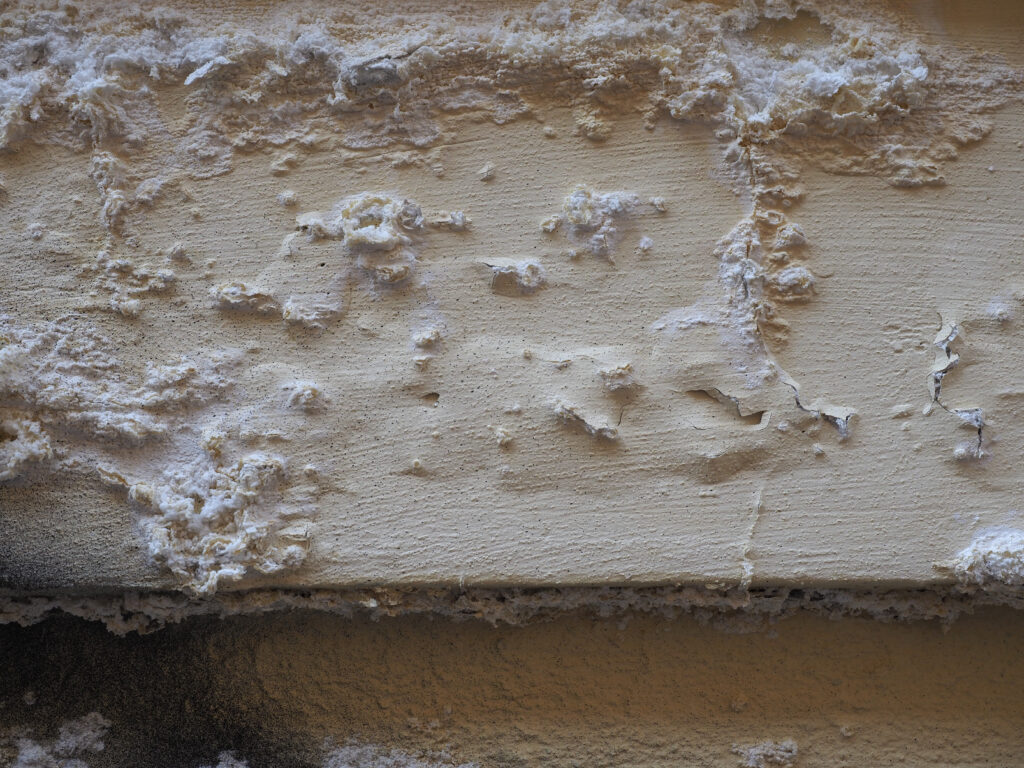
Moisture in crawl space: how to fix questions usually start when a homeowner notices one of these red flags:
- Musty Odors: That “old house smell” on the first floor is often mold spores rising from below.
- Visible Mold: Check your floor joists for white or black spotting.
- Condensation: “Sweating” pipes or ductwork is a major warning sign.
- Soft or Bouncy Floors: When joists absorb moisture, they lose their structural integrity.
- Pest Infestations: Termites and carpenter ants love damp, softened wood.
- Peeling Paint: Excess moisture migrating upward can ruin the finish on your baseboards.
- Allergy Flare-ups: Up to 40% of the air you breathe on your first floor comes directly from the crawl space.
- The “Ice Block” Floor: If you can’t walk barefoot in winter without shivering, your crawl space is likely uninsulated and damp.
5 Proven Methods for Crawl Space Moisture Control
There is no “one size fits all” solution for a Vermont home. Most successful projects require a combination of these professional strategies:
1. Install a Vapor Barrier and Encapsulate the Space
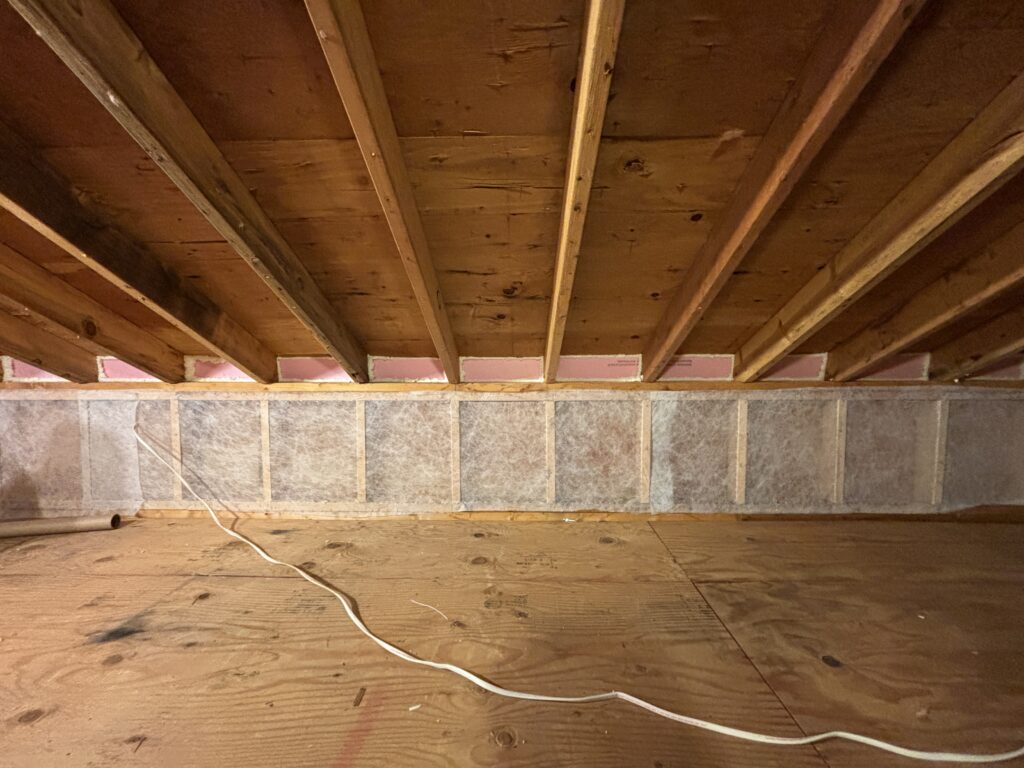
This is the gold standard for permanently keeping moisture out of crawl spaces. We cover the floor and walls with a heavy-duty, multi-mil polyethylene liner, sealing every seam to turn your crawl space into a dry, conditioned part of the home.
2. Improve Drainage and Manage Groundwater
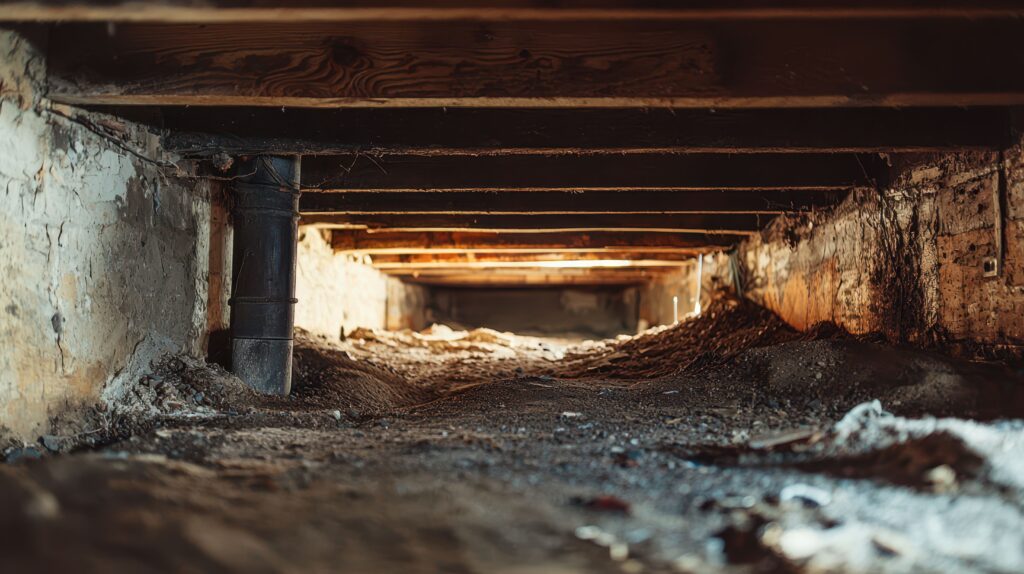
No liner can stop a flood. We ensure your “boots” stay dry by managing groundwater. This includes checking that downspouts discharge at least 6 feet from the foundation and ensuring the soil slopes away from the home.
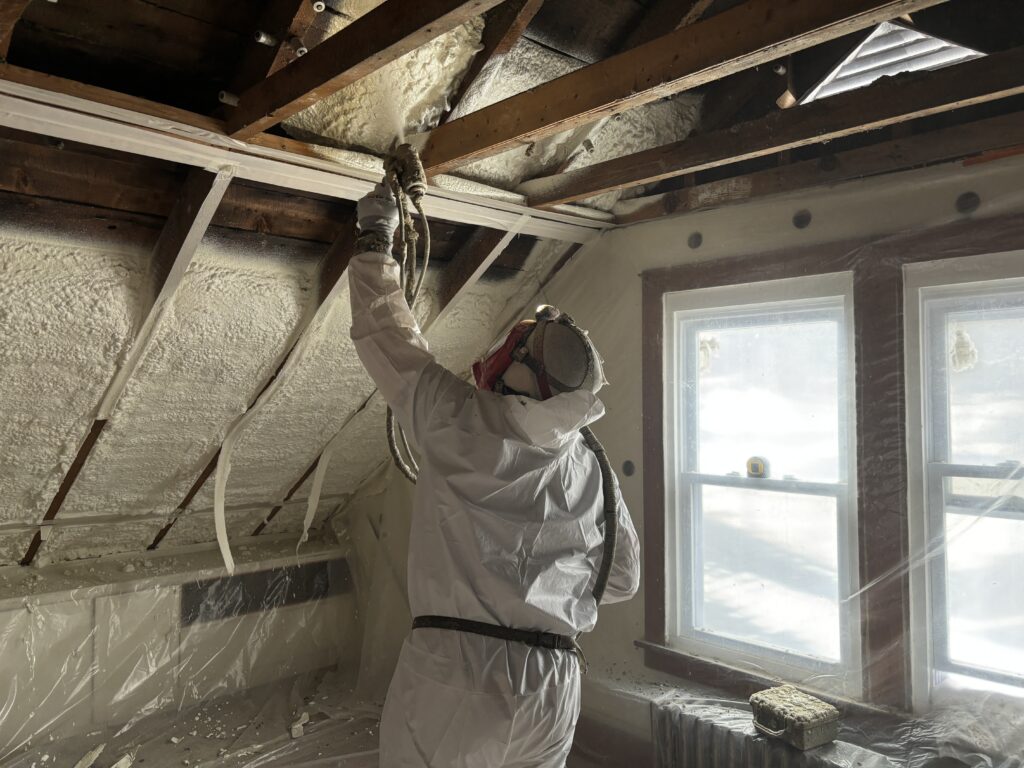
3. Insulate with Moisture-Resistant Spray Foam
Insulation plays a dual role: it regulates temperature (reducing condensation) and, when the right type is used, creates an air barrier that blocks humid air from entering.
| Insulation Type | Best For | Crawl Space Performance |
| Closed-cell spray foam | Crawl space walls & rim joists | Excellent — high R-value, moisture-resistant, creates an air seal |
| Rigid foam board | Supplemental wall insulation | Good — moisture-resistant but requires careful seam sealing |
| Fiberglass batts | Attics & interior walls | Poor — absorbs moisture, sags, and loses R-value when wet |
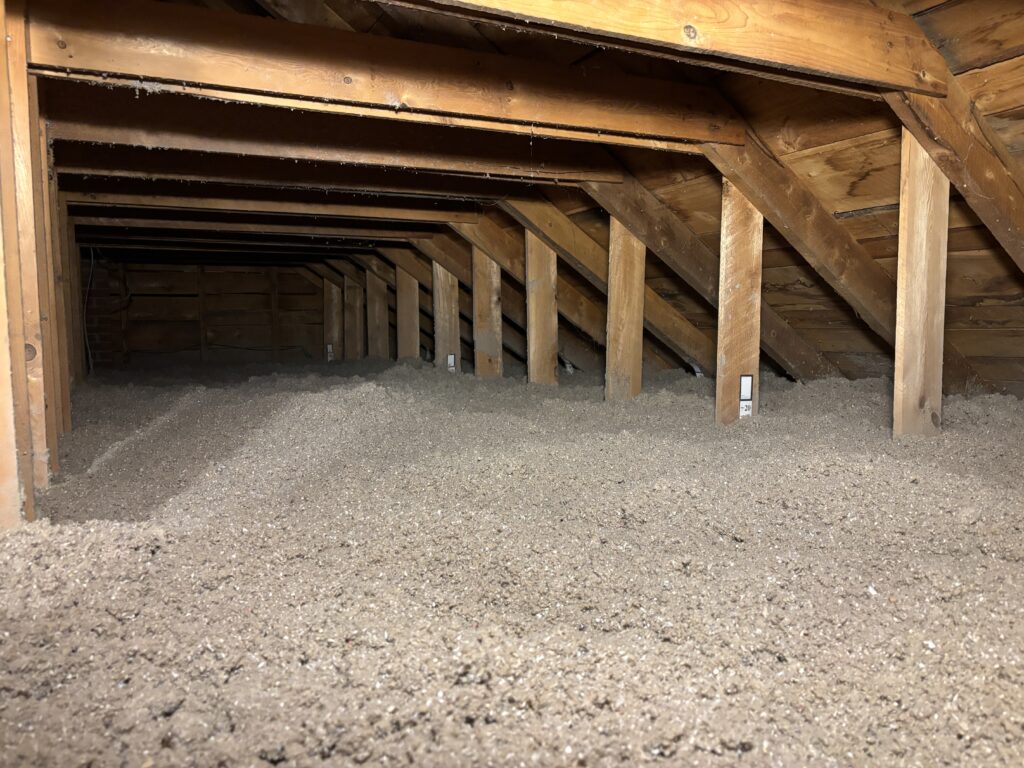
| Cellulose | Attics | Not recommended — absorbs moisture in damp crawl space conditions |
Closed-cell spray foam is our top recommendation for rim joists and crawl space walls. It provides a high R-value and creates a permanent air seal that blocks humid air from entering.
4. Seal Crawl Space Vents
For decades, building codes required open crawl space vents. We now know this approach backfires in cold climates:
- Open vents in summer allow warm, humid outdoor air in — causing condensation on cool crawl space surfaces.
- Open vents in winter allow freezing air in — risking burst pipes and driving up heating costs.
- Modern best practice is to seal those vents and condition the crawl space instead.
| Vented Crawl Space | Sealed Crawl Space | |
| Summer | Draws in humid air → condensation | Controlled humidity via dehumidifier |
| Winter | Allows freezing air in, risks burst pipes | Stable temps, protected plumbing |
| Energy efficiency | Increases heating & cooling costs | Reduces energy loss through the floor |
| Moisture control | Airflow that often worsens conditions | Vapor barrier + dehumidification |
| Best for Vermont? | Rarely recommended | ✓ Preferred approach |
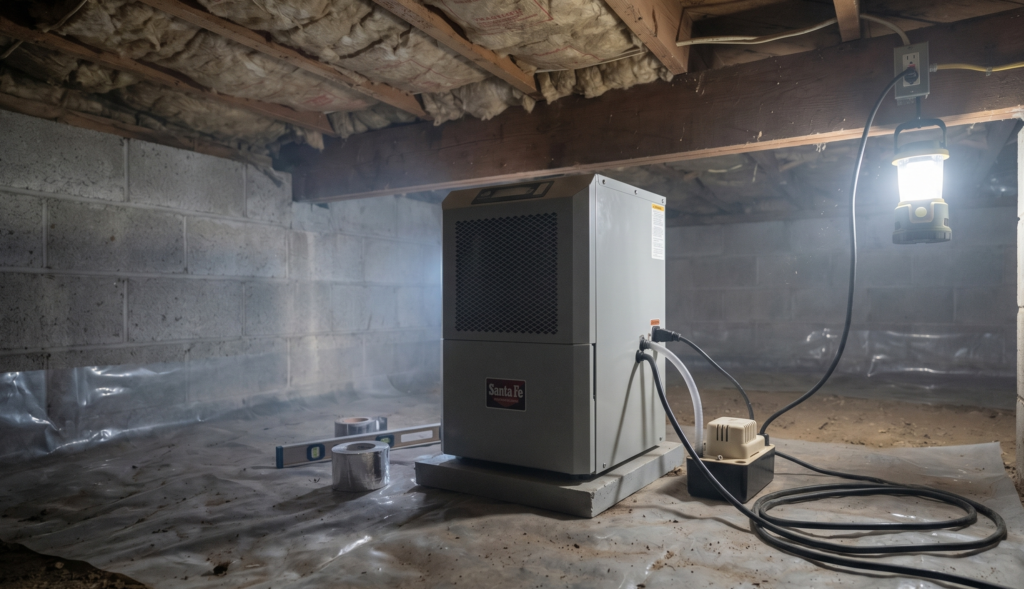
5. Add a Dehumidifier and Air Seal Penetrations
- Dehumidification: In an encapsulated crawl space, a commercial-grade dehumidifier maintains consistent humidity year-round. These units are designed for cool environments, drain continuously, and reliably keep humidity well below 60% RH.
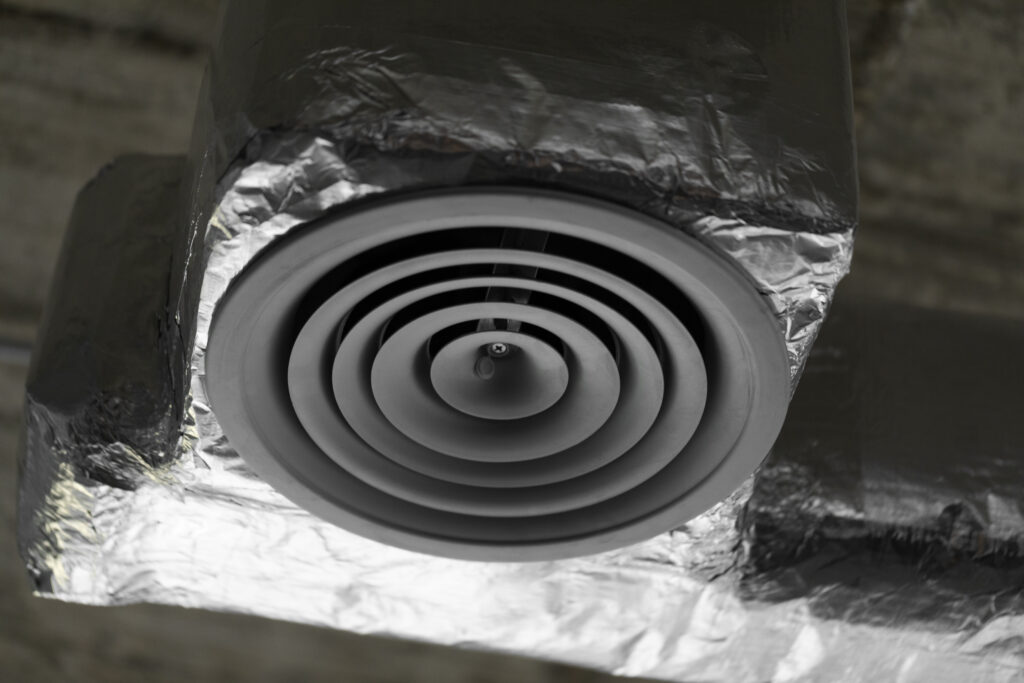
- Air sealing: Even with a vapor barrier and insulation, gaps around pipes, electrical penetrations, HVAC ducts, and rim joists allow conditioned air to escape and unconditioned air to enter. Sealing these is one of the highest-impact, lowest-cost improvements you can make.
Key areas to target:
- Rim joists (where floor framing meets the foundation).
- Plumbing and electrical penetrations through the subfloor.
- HVAC duct connections and seams.
- Gaps around support posts and beams.
- Any cracks in the foundation wall.
What Happens If You Ignore Crawl Space Moisture
Ignoring a damp crawl space doesn’t just mean a cold floor. Over time, the “out of sight, out of mind” problems become structural realities:
- Wood Rot: Softening the support system of your home.
- Higher Energy Bills: Damp air is harder to heat than dry air.
- Resale Value: A damp crawl space is one of the first things a home inspector will flag, potentially complicating a future sale.
DIY vs. Professional: An Honest Breakdown
While homeowners can handle basic tasks like clearing gutters or monitoring humidity, fixing crawl space moisture problems often requires specialized equipment. Professional encapsulation and spray foam application require precision to avoid trapping moisture in the wrong places.
| Task | DIY? | Notes |
| Check & clean gutters and downspouts | ✓ Yes | Ensure water discharges 6+ feet from the foundation |
| Improve grading around the foundation | ✓ Yes | Soil should slope away ~1 inch per foot for 6 feet |
| Monitor humidity with a hygrometer | ✓ Yes | Place in crawl space; keep below 60% RH |
| Visual inspection for water, mold, and rot | ✓ Yes | Only if safe to access |
| Clear debris from drainage paths | ✓ Yes | Especially important in the fall |
| Full crawl space encapsulation | ✗ Pro | Requires proper materials, sealing, and installation technique |
| Spray foam insulation | ✗ Pro | Professional equipment and expertise required |
| Sump pump installation | ✗ Pro | Requires excavation, electrical work, and drainage routing |
| Mold or structural remediation | ✗ Pro | Health and safety risks require professional assessment |
Keeping Your Vermont Home Comfortable From the Ground Up
Crawl space moisture is a whole-home problem that affects the air you breathe, the warmth of your floors, the efficiency of your heating system, and the long-term structural integrity of your home. The flip side is equally true: fixing your crawl space delivers whole-home benefits.
The first step doesn’t have to be complicated:
- Walk around your foundation and check the grading.
- Look at where your downspouts discharge.
- Put a hygrometer in your crawl space.
- Or reach out to a team that knows Vermont homes inside and out.
📞 Ready to take the next step? Call Farnum Insulators at (802) 387-5005 or get in touch today → https://www.farnuminsulators.com/
Frequently Asked Questions
What causes moisture in a crawl space during Vermont winters?
Warm indoor air seeps into a cold crawl space, where it condenses on floor joists and pipes. Snowmelt also saturates soil around your foundation, pushing groundwater in through cracks or dirt floors. Older homes without vapor barriers or proper air sealing are especially vulnerable during freeze-thaw cycles.
Is it better to vent or seal a crawl space in a cold climate?
In cold climates like Vermont, sealing and conditioning your crawl space is the better approach. Open vents allow humid summer air in (causing condensation) and freezing winter air in (wasting energy and risking frozen pipes). A sealed crawl space with insulation and a vapor barrier keeps conditions stable year-round.
How do I know if my crawl space has a moisture problem?
Common signs include musty smells on the first floor, visible mold on wood surfaces, condensation on pipes, soft or sagging floors, increased allergy symptoms, and unexpectedly high heating bills. If you notice any of these, inspect your crawl space or have a professional inspect it.
Can I fix crawl space moisture myself, or do I need a professional?
Some steps are DIY-friendly, such as extending downspouts, improving grading, and monitoring humidity. But for encapsulation, spray foam insulation, or significant mold or structural concerns, a professional with Vermont-specific experience will ensure the work is done safely and effectively.
Are there rebates available for crawl space insulation in Vermont?
Yes. Efficiency Vermont offers weatherization incentives that can help offset the cost of crawl space insulation and air sealing. Programs update monthly, so check current offerings or ask your contractor what’s available when you schedule your project.
Why is spray foam recommended for crawl spaces instead of other insulation types?
Closed-cell spray foam has a higher R-value per inch than most alternatives and naturally resists moisture. It also creates an air seal that prevents warm, humid air from entering the crawl space. Other materials like cellulose work well in attics but can absorb moisture in the damp conditions typical of Vermont crawl spaces.