Which insulation materials are recommended for Newfane VT properties?
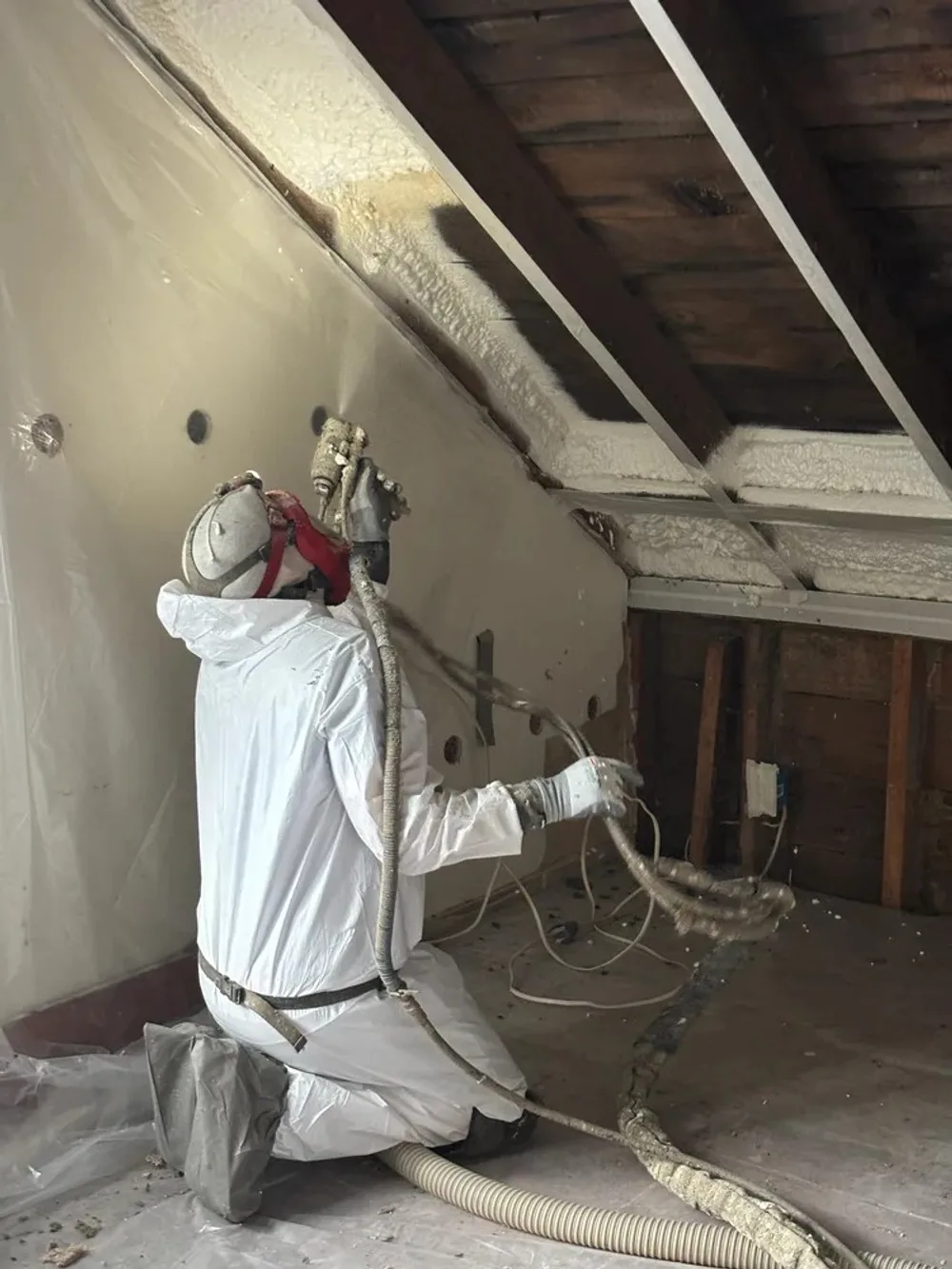
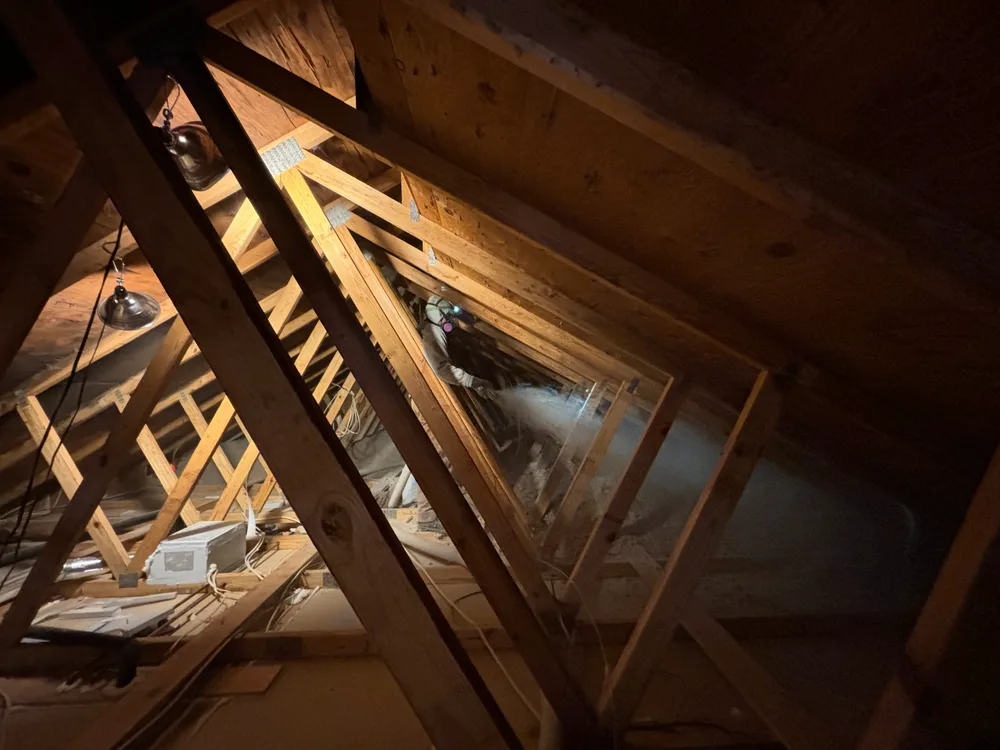
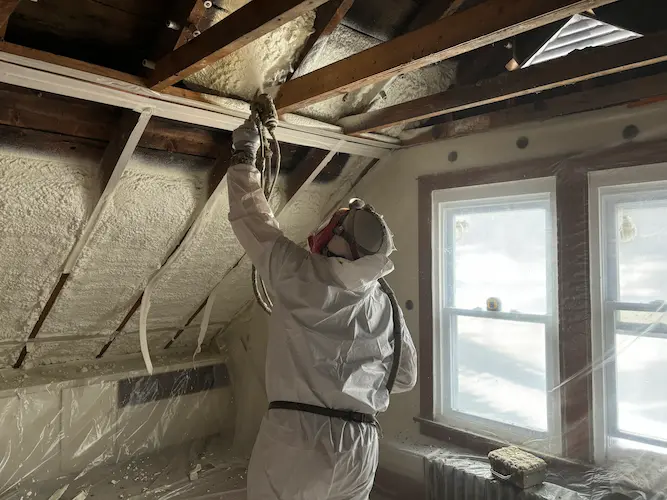
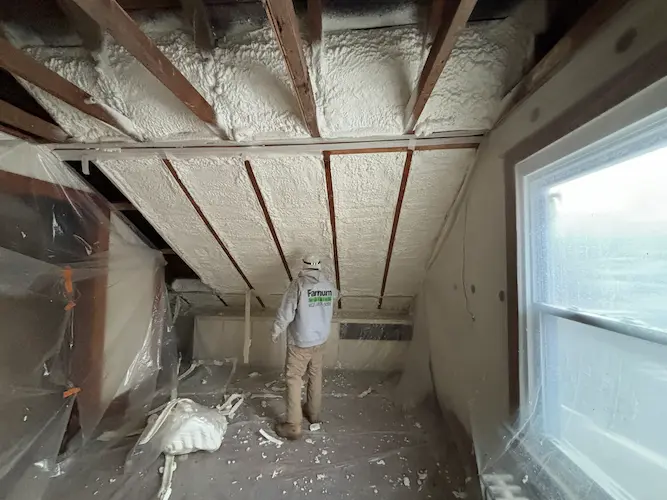
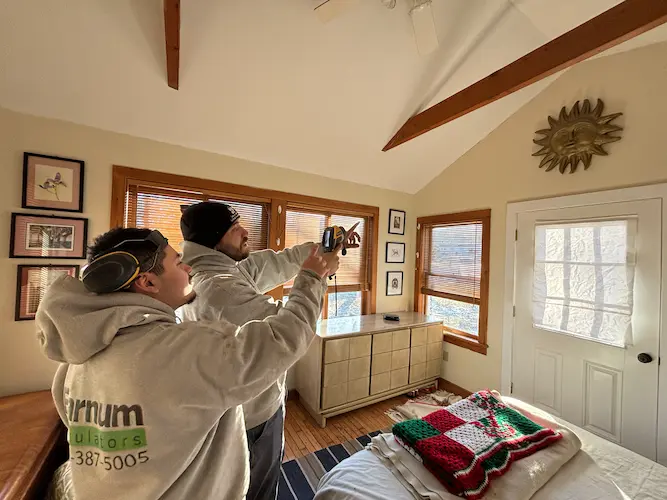
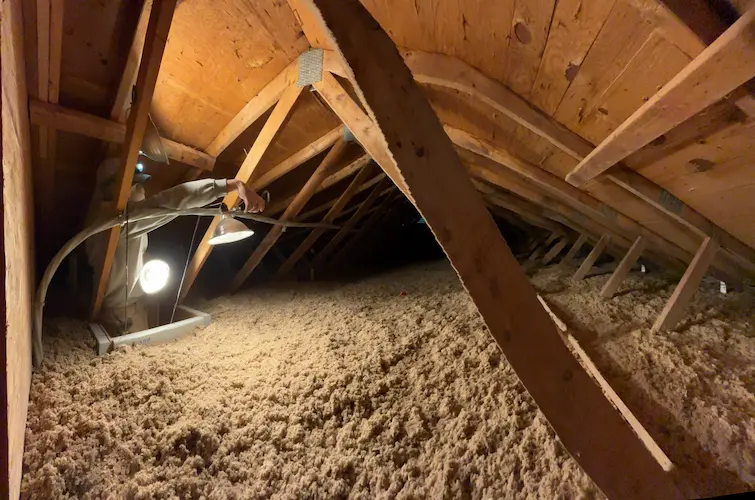
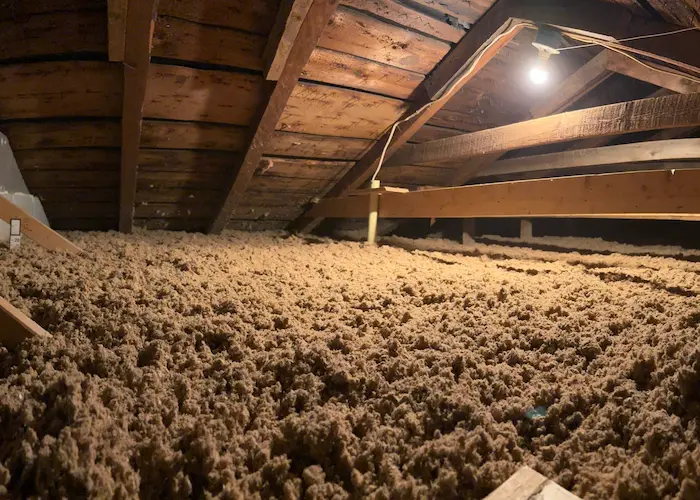
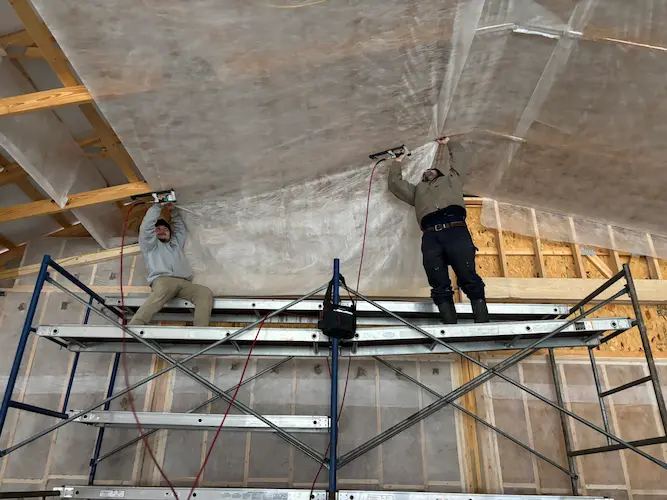
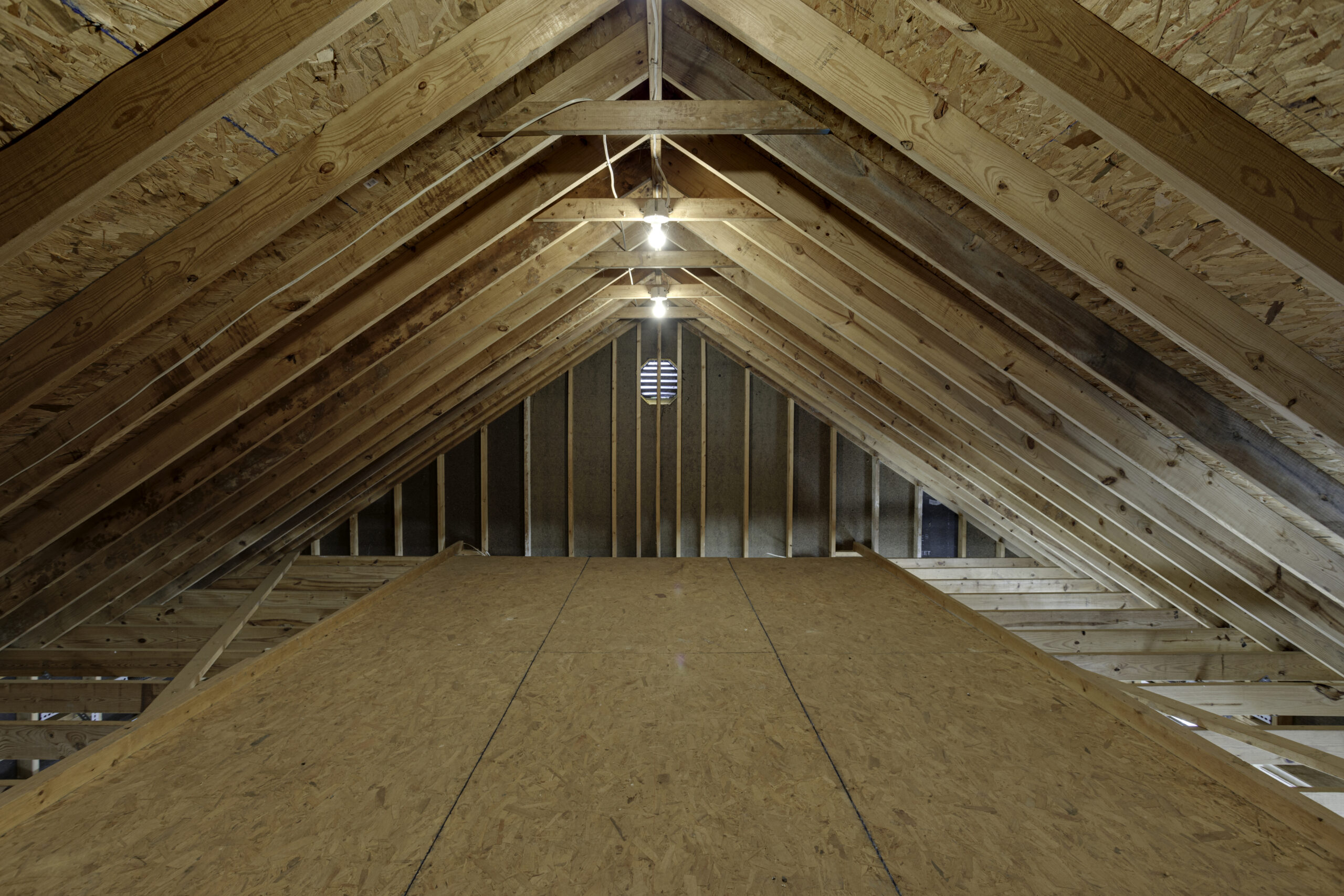
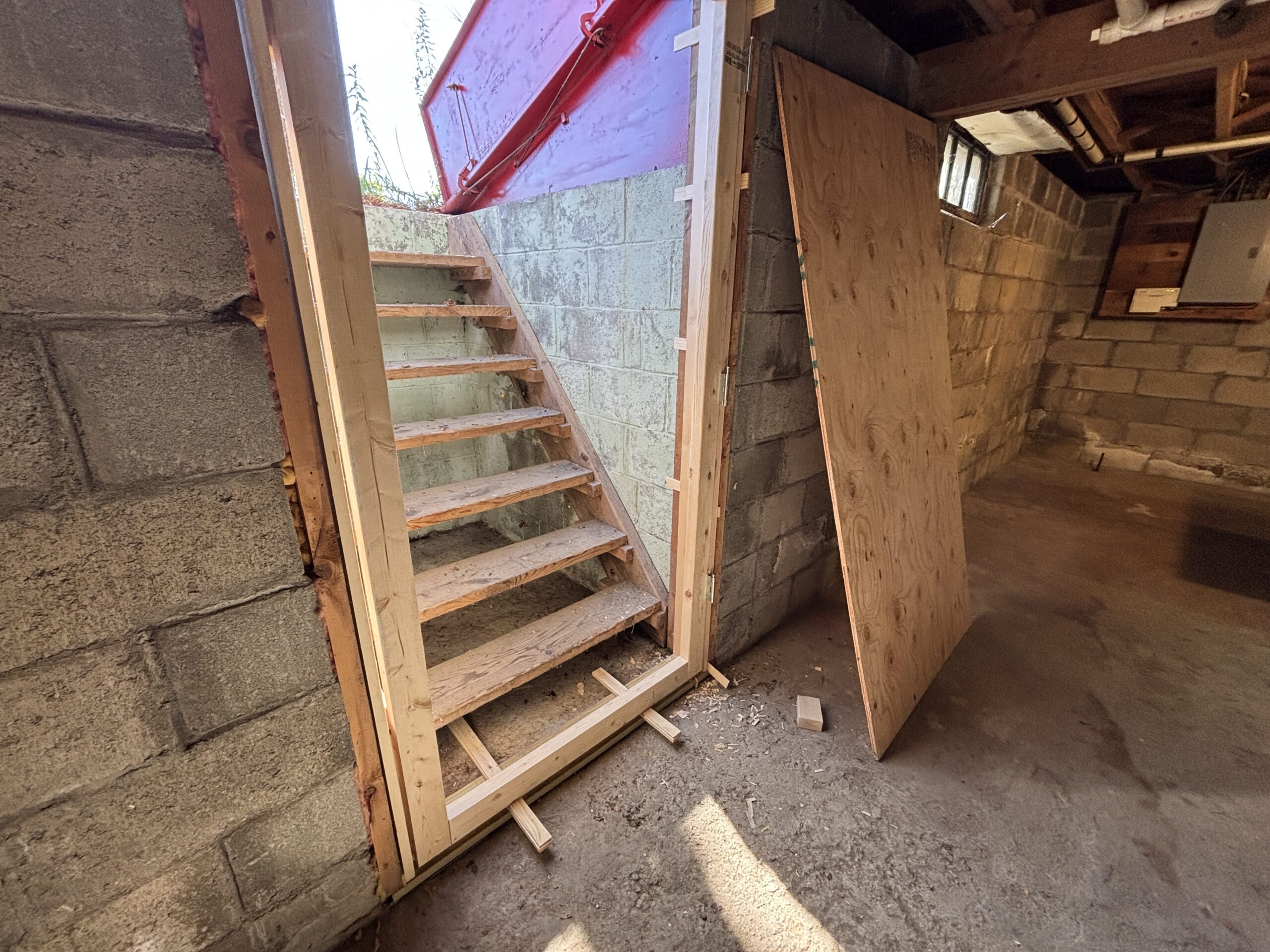
Newfane properties are best served by cellulose in the attic and spray foam in basements and crawl spaces. Cellulose is the preferred attic material here — it is breathable, works well with older and irregular framing, and has a low environmental footprint. For below-grade spaces, spray foam is more effective. Older stone foundations common in Newfane allow moisture and cold air to enter, and spray foam seals both in a single application while delivering a high R-value. For homes in Newfane's Village Historic District, we use installation techniques that are non-invasive and preserve original plaster, trim, and structural elements. Our thorough property assessment tells us the starting point for every property before we make any specific material recommendation.
Why do Newfane VT homes need to hit specific R-value targets?
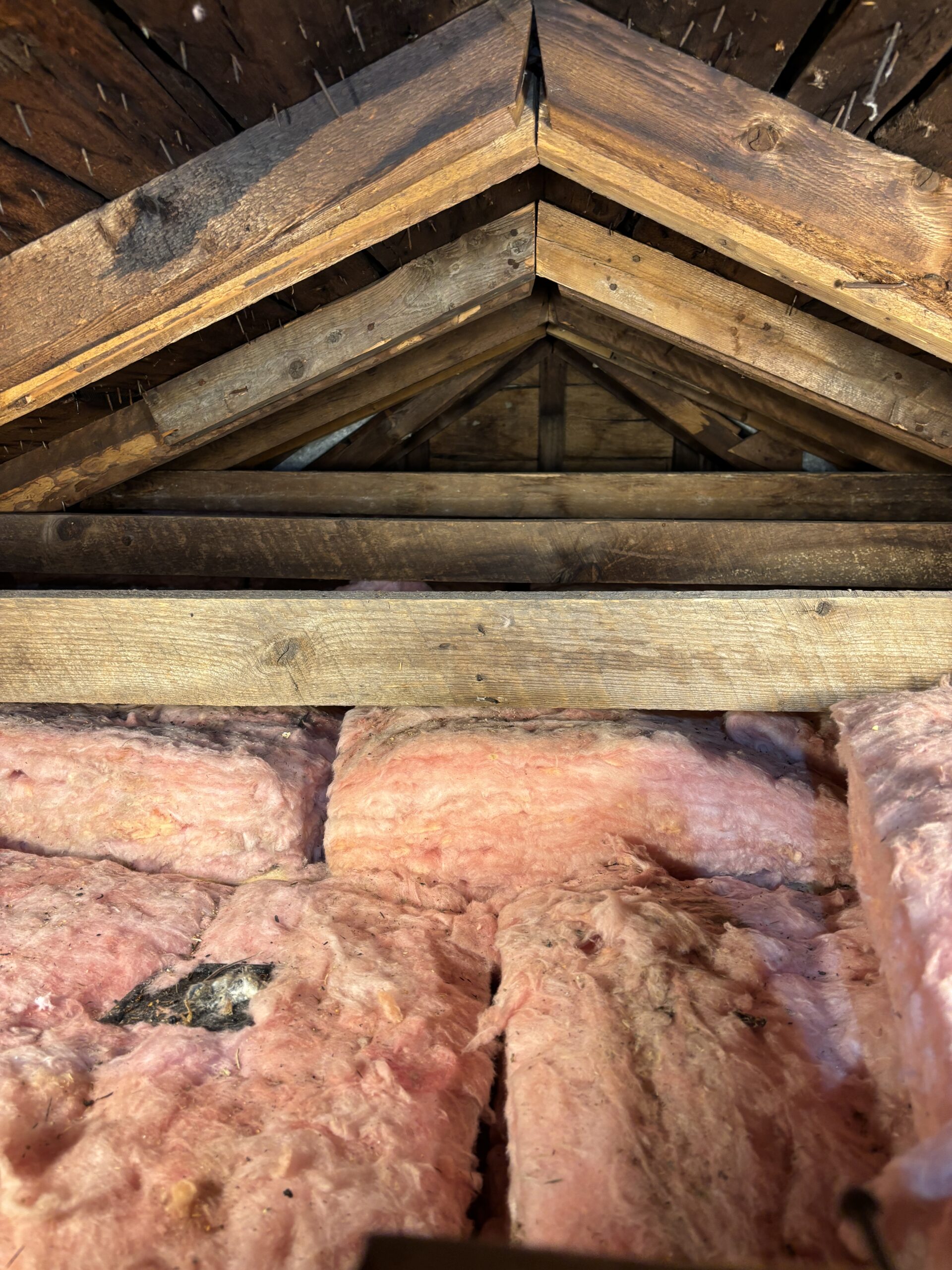
R-value is the measure used to quantify how well insulation resists heat transfer. Vermont building standards recommend R-49 to R-60 for attics, R-20 to R-21 for walls, and R-15 minimum for crawl spaces and basements. These targets are set higher than what milder climates require because Newfane's temperatures can drop to -20°F and the heating season runs for months. Many properties in Newfane — especially those with original construction — have attics well below the R-49 minimum, sometimes as low as R-11. That gap represents a significant amount of heat leaving the building through the ceiling every day the heating system runs. Reaching the right R-value in each area of the home is the primary goal of any insulation project, and it is what we measure and verify before and after every job. Our thorough assessment establishes a baseline so you know exactly where each space stands and what it will take to get there.
When is the best time to have insulation work completed in Newfane VT?
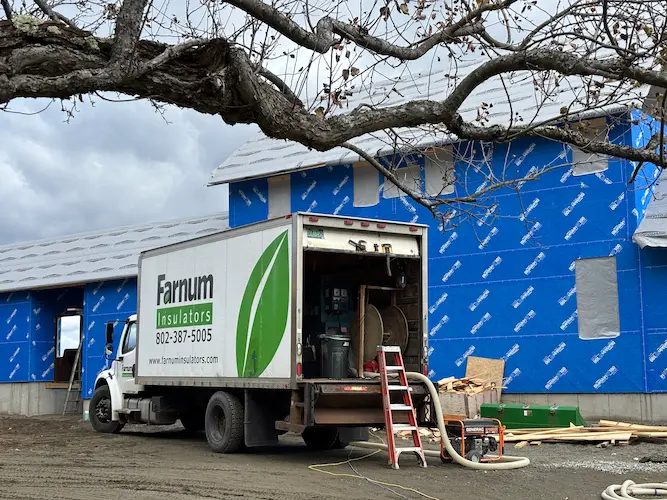
We install insulation year-round in Newfane, but the most practical window for most properties is late spring through early fall. Vermont's mud season in March and April creates real access challenges for homes along the Route 30 corridor and on rural roads — equipment movement becomes difficult and we prefer not to risk damaging driveways or approaches. Scheduling after the ground firms up in late spring avoids all of that. For homes in Newfane's Village Historic District, earlier scheduling also gives us time to consult on any preservation considerations before work begins. Efficiency Vermont rebate applications benefit from a lead time of a few weeks, so starting the process before you need the work completed keeps everything on track. Reach out whenever you are ready and we will work around your timeline.
What benefits can Newfane VT homeowners expect from a proper insulation upgrade?
A properly insulated Newfane home delivers a combination of comfort, structural protection, and operational efficiency that compounds over time. The immediate improvement most homeowners experience is consistent temperature throughout the living space — cold spots near exterior walls and floors disappear, and the building holds conditioned air without the heating system cycling constantly. Air sealing, done alongside every insulation project, eliminates drafts and reduces the infiltration of outdoor air, allergens, and moisture. For Newfane properties with original construction and stone foundations, moisture management is one of the most important long-term benefits. The right insulation setup prevents moisture from accumulating in wall cavities and below-grade spaces, protecting structural materials from the slow damage that humidity causes over decades. Heating and cooling equipment also benefits — efficient, shorter cycles reduce wear and extend the lifespan of systems. Efficiency Vermont rebates and Weatherization Assistance programs help offset the upfront cost of achieving all of these improvements.