
Services
SOUTHERN VERMONT SPRAY FOAM INSULATION
 GET A FREE ESTIMATE
#1 Spray Foam Insulation in Southeastern Vermont
Spray Foam – Damp basements, rim boards and some wall cavities are best insulated using this spray-on foam.
With high R-value, an ability to expand into a space and airtightness, we’ll advise you on which insulation is best for you.
Insulation keeps your home comfortable year-round by keeping out drafts during the winter, and preventing solar heat gain during the summer. Reducing drafts through insulation also works to prevent the potential of airborne pollutants being drawn into your home, such as mold and mildew spores.
For a quote, call us at (802) 454-5162.
Benefits of Spray Foam Insulation in VT
- High R-Value:
Offers superior thermal resistance, keeping homes warmer in winter and cooler in summer.
- Air Sealing:
Expands to fill gaps, creating an airtight barrier that reduces drafts and improves comfort.
- Moisture Control:
Ideal for damp areas like basements, helping to prevent mold growth and moisture damage.
- Longevity:
Durable and retains its properties over time, reducing the need for re-insulation.
- Energy Efficiency:
Enhances efficiency, potentially lowering energy bills and increasing property value.
Downsides of Spray Foam Insulation in VT
- Environmental Impact:
Made with chemicals that may have a higher environmental footprint than cellulose.
- Limited Applications:
May not be the best choice for open attic spaces, where cellulose often provides more uniform coverage.
- Removal Challenges:
Unlike cellulose, spray foam can be harder to remove or adjust once applied.
Check out our
Our Latest Spray Foam Installations
We insulate all kinds and sizes of homes – some are large and some are small.
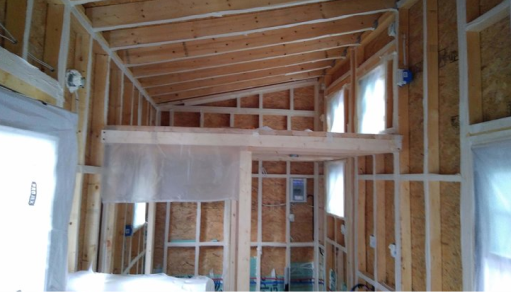
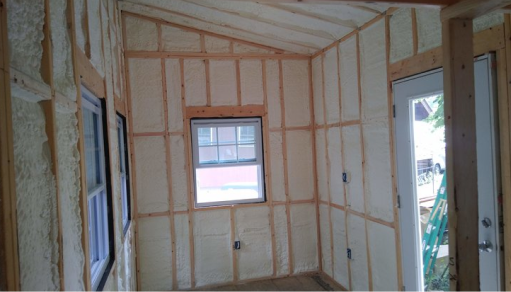
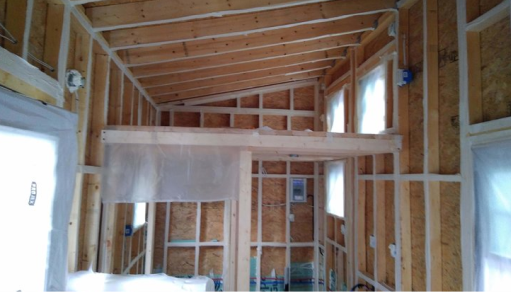
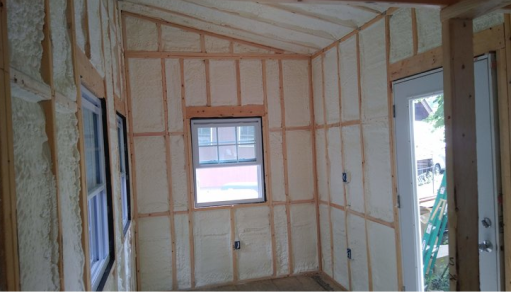
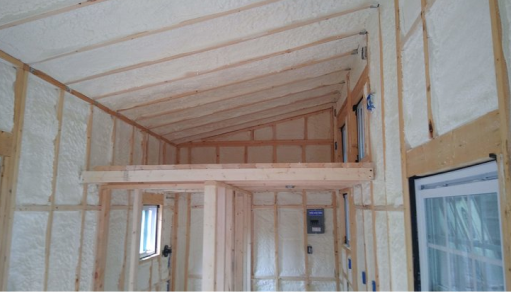
Spencer Knickerbocker, a senior at the time at Marlboro College, hired Farnum Insulators to insulate his tiny home using closed-cell spray foam. The eleven-foot tall house was built on an 8×20 foot trailer.
Spencer’s plan is to install a small propane heater for the winter months. It’s not going to take much energy to keep the place cozy this winter!
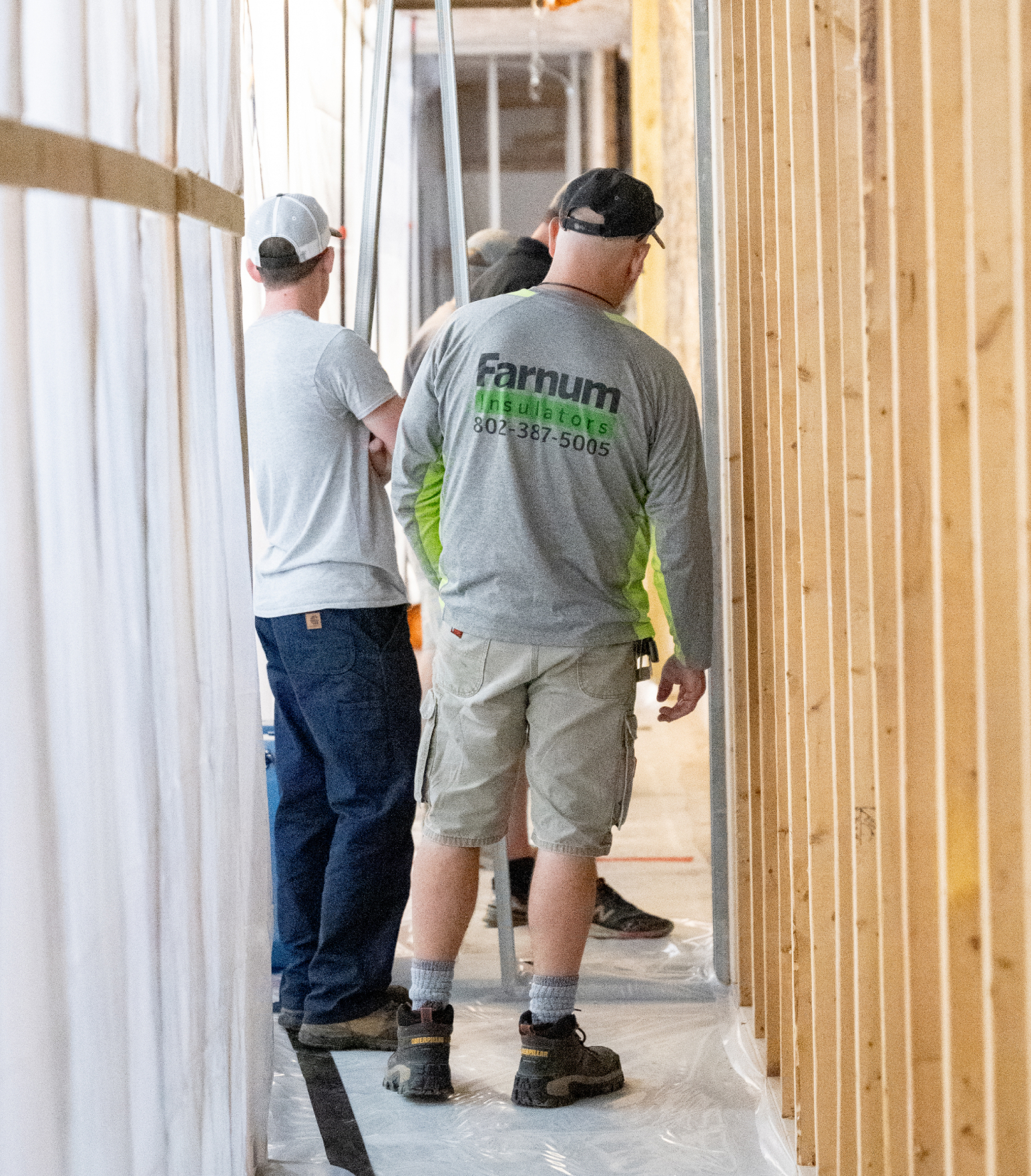
Farnum Insulators can help you keep your tiny house – or not so tiny house – more comfortable during winter or summer.
OUR PROCESS
1
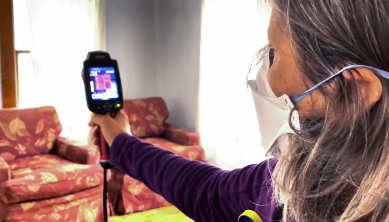
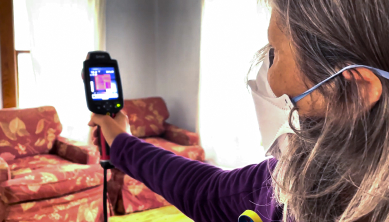
Diagnostic Testing
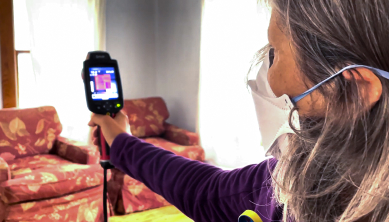
Our process begins with a detailed diagnostic assessment to pinpoint your home’s specific insulation needs. By understanding existing drafts, moisture concerns, and thermal leaks, we can design the ideal solution for you.
2
Financing Assistance
We work with Efficiency Vermont, submitting your information to help you access available rebates or financing options, making your insulation investment as affordable as possible.

3
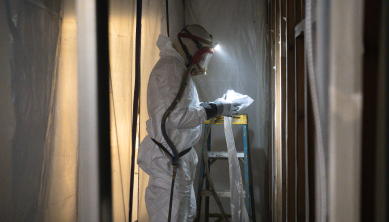
Professional Installation
Our experienced team installs cellulose insulation precisely where it’s needed, ensuring airtight coverage and maximum efficiency for lasting comfort.
Financing
We offer 12 Months Same-As-Cash financing through Enerbank as well as a variety of longer term loans with excellent rates through Efficiency Vermont’s Heat Saver Loan program. For more information see our handout.
Customer Reviews
Discover why Farnum Insulators is the #1 top-rated insulation company in Southeastern VT & Southwestern NH!
FAQs
Can I spray foam insulate myself?
Spray foam insulation is best left to professionals due to the specialized equipment and experience needed to ensure safe and effective application. Professional installers also conduct diagnostic testing to guarantee the right insulation coverage, improving energy efficiency and comfort.
Do you need to remove insulation before spray foam?
In many cases, old insulation must be removed before applying spray foam. This ensures that the spray foam adheres properly to surfaces, maximizing its insulating and air-sealing capabilities.
Can I sleep in my house after spray foam insulation?
Generally, it’s recommended to wait 24 hours after application before sleeping in the insulated area. This allows the foam to fully cure and ensures proper ventilation of any initial odors.
How long does spray insulation last?
Spray foam is designed to be durable, and it will last the life of your house. Its longevity makes it a cost-effective choice for long-term energy savings.