
New England weather is nothing if not extreme. Winters often dip into single digits with heavy snowfall, while summers bring heat, humidity, and thunderstorms. For homeowners in New Hampshire and Vermont, attic insulation is one of the most impactful upgrades you can make to protect your home from the region’s volatile climate.
Without proper attic insulation, warm air escapes through your roof in winter, causing heating systems to work harder and bills to spike. In summer, heat pours in from above, turning second floors into saunas and overworking your air conditioner.
Proper attic insulation helps:
- Stabilize indoor temperatures
- Prevent ice dams and roof damage
- Reduce energy bills
- Extend HVAC system life
- Increase year-round comfort
Many older homes in New England were built with little to no insulation, making this upgrade even more essential.
Which Insulation Is Best for Attics in New Hampshire & Vermont?
Choosing the right attic insulation means factoring in R-value, your attic’s structure, moisture control, and energy savings.
Best Types of Insulation for Cold Climates
Blown-in cellulose
Treated with fire retardants and made from recycled materials, blown-in cellulose is a top choice for eco-conscious homeowners. It delivers dense, consistent coverage, making it ideal for older homes with irregular framing or hard-to-fill cavities. Whether you’re looking to upgrade cellulose insulation in Vermont or improve energy efficiency with cellulose insulation in New Hampshire, this material offers excellent thermal performance and moisture resistance, perfect for New England’s unpredictable weather.
Spray foam
Known for delivering the highest R-value per inch, spray foam insulation also functions as a powerful air sealant. This makes it especially effective in attics with significant air leakage, exposed ductwork, or lots of nooks and crannies. If you need a durable, long-lasting solution, spray foam insulation in Vermont and spray foam insulation in New Hampshire is a smart investment that can dramatically improve comfort and cut energy costs—no matter how cold it gets outside.
Types of Insulation – At a Glance
Choosing the best insulation for your attic can feel overwhelming, especially with so many options on the market. To make things easier, here’s a quick comparison of the most common types of attic insulation used in New England homes, focusing on performance, cost, and ideal use cases.
| Insulation Type | R-Value | Air Sealing | Cost | Best For |
|---|---|---|---|---|
| Cellulose | High | Moderate | $$ | Retrofit attics |
| Spray Foam | Very High | Excellent | $$$ | Complex or leaky attics |
Signs Your Attic Needs Better Insulation

Even without tearing open the attic hatch, your home may be telling you it needs help. Watch for these signs:
- Temperature swings between floors
- Ice dams forming along the roofline
- Rising heating and cooling bills
- Cold drafts on the second floor
- Visible gaps or compressed insulation in the attic
- Visible tunnels in the current insulation (these are made by rodents)
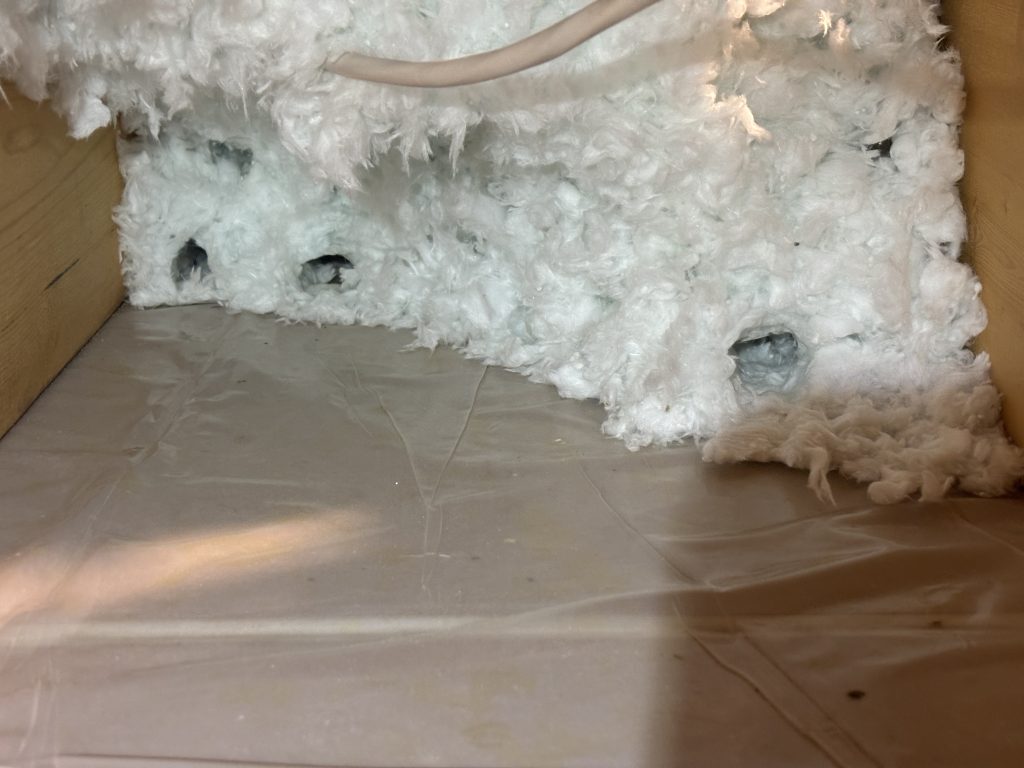
If your attic was insulated more than 15-20 years ago, it may no longer meet modern energy standards.
How Proper Insulation Improves Energy Efficiency
Attic insulation acts as a thermal barrier, reducing the flow of heat between your home and the outdoors. In winter, it keeps warmth in. In summer, it blocks heat from entering. Combined with proper air sealing, it creates a tighter building envelope.
Benefits include:
- Up to 30% reduction in energy usage
- Fewer temperature fluctuations between rooms
- Lower maintenance for HVAC systems
- A quieter, more comfortable home
Read more: How to improve energy efficiency at home
Why Farnum’s Local Team Is Your Best Bet
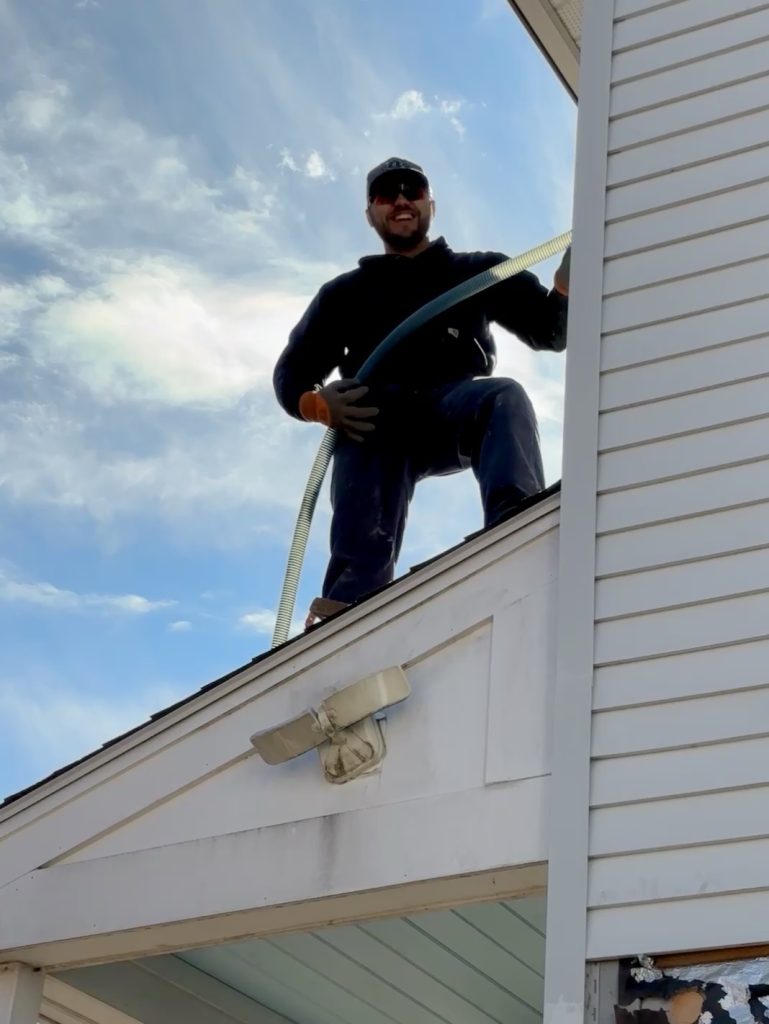
Farnum Insulators understands the unique challenges of New England homes. With experience in both rural cabins and historic townhouses, our team tailors insulation strategies to fit your home’s quirks and climate needs.
Local Expertise for New England Conditions
- Deep knowledge of regional building codes
- Familiar with issues like snow load, frost heave, and ice dams
- Hands-on experience with older homes and non-standard architecture
Whole-Home Approach
We don’t just blow insulation and call it a day. Farnum evaluates ventilation, air leakage, moisture, and attic airflow to ensure a comprehensive solution that lasts.
Benefits Beyond Energy Savings: Health and Home Protection
Attic insulation isn’t just about saving money. It also plays a crucial role in protecting your home’s structure and your family’s health.
- Moisture control: Proper insulation and ventilation help prevent condensation and mold growth in attics.
- Air quality: By sealing gaps, insulation reduces the infiltration of allergens, dust, and outdoor pollutants.
- Pest prevention: Insulated and sealed attics are less inviting to rodents and insects.
In the long run, investing in attic insulation protects your biggest asset—your home.
Common Myths About Attic Insulation Debunked
There are plenty of misconceptions about attic insulation. Let’s clear some up:
Myth 1: “My house is old, insulation won’t help much.”
Truth: Older homes often benefit the most from insulation upgrades, especially in attics where energy loss is highest.
Myth 2: “You can’t add insulation if there’s already some there.”
Truth: As long as existing insulation is dry and mold-free, additional layers can enhance performance.
Myth 3: “Insulation only matters in winter.”
Truth: Attic insulation also blocks summer heat, making your home more efficient year-round.
Next Steps: Book a Free Attic Evaluation
Ready to make your home more comfortable? Here’s how it works:
- Schedule a free attic consultation with our local team.
- Receive a custom insulation plan based on your home’s size, age, and energy usage.
- Get clean, efficient installation that transforms comfort and lowers your energy bills.
Call now and request your FREE quote!
FAQs about Loft Insulation
What is the R-value of attic insulation in New England?
In New England, the recommended R-value for attic insulation typically ranges from R-49 to R-60, depending on the home’s location and heating system. Cold climates like Vermont and New Hampshire require higher R-values to maximize energy efficiency and comfort during harsh winters.
What is the most effective insulation for my attic?
The most effective insulation depends on your attic’s structure and condition. Spray foam insulation offers the highest R-value and superior air sealing—ideal for attics with irregular framing or air leakage. Blown-in cellulose insulation is also a strong performer for retrofit applications and eco-conscious homeowners.
Which is better, blown or rolled loft insulation?
Blown-in insulation is the better choice for New England homes. It fills gaps and irregular spaces much more effectively than rolled (batt) insulation, creating a more consistent thermal barrier. Rolled insulation often leaves gaps around beams and wiring, reducing performance, especially in older or uneven attics.
How often should I replace the attic’s insulation?
Most attic insulation lasts 20 to 30 years, but this can vary based on moisture exposure, settling, and material type. If your insulation is over 15–20 years old or showing signs of damage or compression, it’s worth having it evaluated.
Do you need ventilation in the attic after you insulate?
Yes, proper ventilation is needed even after adding insulation. Good airflow prevents moisture buildup, ice dams, and mold, ensuring your insulation performs effectively and lasts longer. Farnum Insulators always checks ventilation as part of our whole-home insulation approach.