
Services
CELLULOSE INSULATION IN SOUTHERN VERMONT
 GET A FREE ESTIMATE
What is a Cellulose Insulation?
Cellulose Insulation is an excellent choice for energy efficiency, offering a high R-value for maximum insulation performance.
Treated for fire resistance, mold prevention, and pest control, cellulose is also an eco-friendly option, made from recycled materials. Whether your structure is new or existing, our team will guide you in selecting the most cost-effective, minimally invasive insulation solutions to meet your needs.
Benefits of Cellulose Insulation in VT
Cellulose Insulation is a highly effective solution for maintaining a comfortable and healthy home year-round. Here are the key benefits:
- Year-Round Comfort:
Cellulose insulation helps keep your home cozy in the winter by blocking cold drafts and reducing heat loss. In the summer, it helps keep your space cool by minimizing solar heat gain, reducing the need for excessive air conditioning.
- Energy Efficiency:
By minimizing air leaks and drafts, cellulose insulation improves your home’s energy efficiency, lowering heating and cooling costs.
- Air Quality Improvement:
Cellulose insulation acts as a barrier against airborne pollutants such as mold spores, dust, and allergens, helping to maintain a healthier indoor environment.
- Environmentally Friendly:
Made from recycled paper products, cellulose insulation is an eco-friendly option, contributing to sustainable building practices and reducing the amount of waste in landfills.
- Sound Insulation:
The dense, fibrous nature of cellulose insulation provides excellent soundproofing, reducing noise between rooms and from outside, creating a quieter, more peaceful home.
- Pest Deterrent:
Cellulose insulation is often treated with non-toxic insect repellent, helping to prevent pests like rodents from nesting in your walls.
Downsides of Cellulose Insulation in VT
- Lower R-Value per Inch:
Cellulose insulation has a lower R-value (thermal resistance) per inch than spray foam, meaning it may require a thicker layer to achieve the same level of insulation, which can take up more space in walls or attics.
- Air Barrier:
While cellulose provides good thermal insulation, it does not form an airtight seal like spray foam. Spray foam expands on application, filling gaps and cracks to prevent air leaks, whereas cellulose may still leave small spaces where air can pass through.
- Moisture Sensitivity:
Cellulose is more susceptible to moisture than spray foam. If it becomes wet, it can lose its insulating properties and may develop mold or mildew. Spray foam, on the other hand, is moisture-resistant and maintains its effectiveness even in humid conditions.
- Settling Over Time:
Cellulose can settle over time, potentially reducing its effectiveness and requiring reapplication or topping up in certain areas. Spray foam maintains its volume and insulation performance for much longer without settling.
Check out our


OUR PROCESS
1
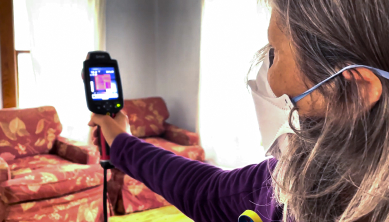
Diagnostic Testing
Our process begins with a detailed diagnostic assessment to pinpoint your home’s specific insulation needs. By understanding existing drafts, moisture concerns, and thermal leaks, we can design the ideal solution for you.
2
Financing Assistance
We work with Efficiency Vermont, submitting your information to help you access available rebates or financing options, making your insulation investment as affordable as possible.

3
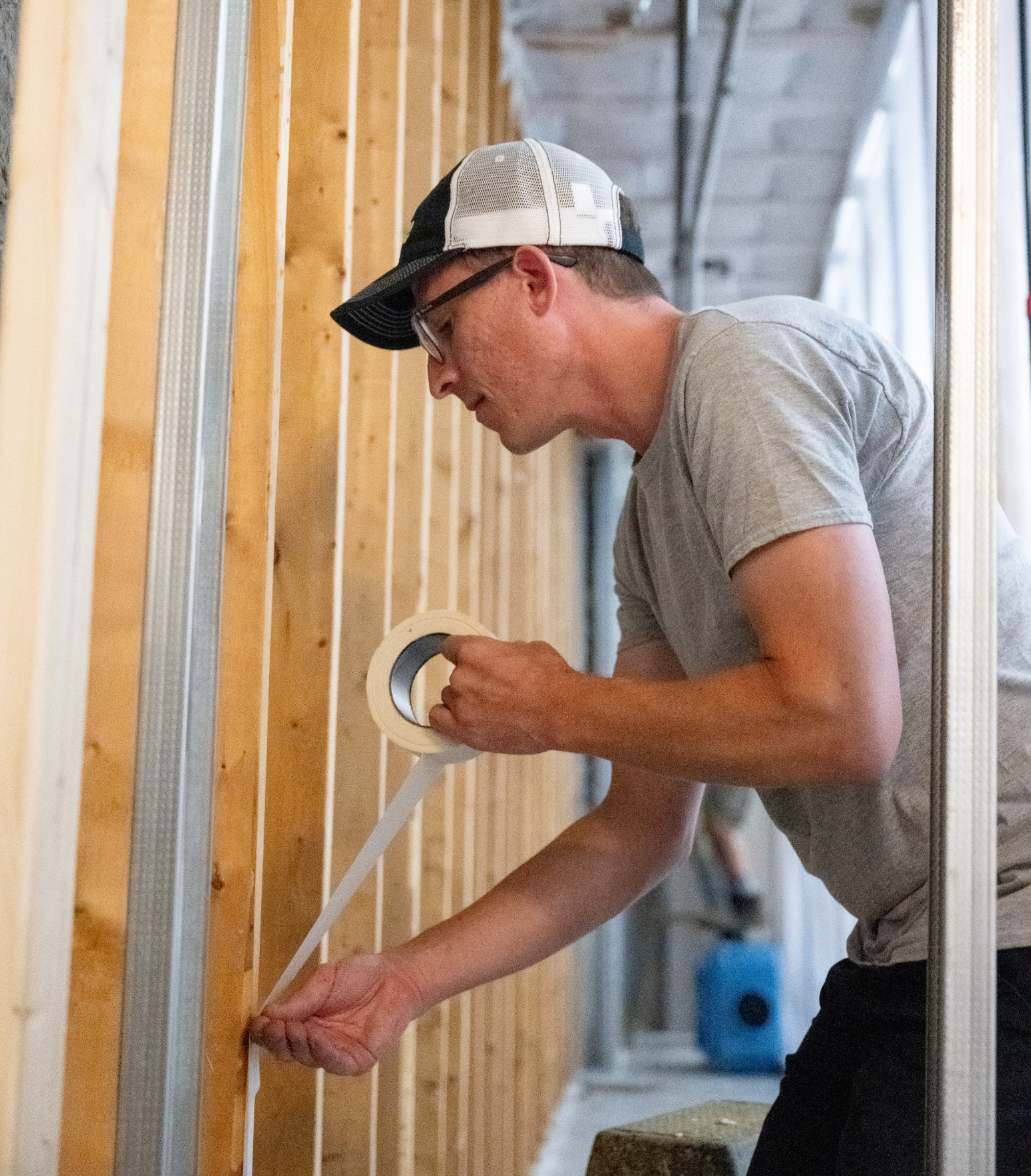
Professional Installation
Our experienced team installs Cellulose Insulation precisely where it’s needed, ensuring airtight coverage and maximum efficiency for lasting comfort.
Financing
We offer 12 Months Same-As-Cash financing through Enerbank as well as a variety of longer term loans with excellent rates through Efficiency Vermont's Heat Saver Loan program. For more information see our handout.
Customer Reviews
Discover why Farnum Insulators is the #1 top-rated insulation company in Southeastern VT & Southwestern NH!
FAQs
Should I remove old cellulose insulation?
It’s not always necessary to remove old cellulose insulation unless it has been damaged by moisture or mold. If the existing insulation is still in good condition, it can often be left in place and topped up. However, if the insulation has settled, lost its effectiveness, or is contaminated, it may be best to remove it and replace it with fresh material.
How many years does cellulose insulation last?
Cellulose insulation can last the life of your home with care and maintenance. With proper care, including avoiding exposure to excessive moisture, cellulose can continue to provide effective insulation for decades.
What is better, spray foam or cellulose?
Both spray foam and cellulose insulation offer unique benefits, so the choice depends on your specific needs. Spray foam provides superior air sealing, higher R-value per inch, and moisture resistance, making it ideal for areas with high humidity or where air leakage is a concern. Cellulose, on the other hand, is a more eco-friendly and cost-effective option that works well for general insulation needs in attics and walls. Ultimately, the right choice will depend on your home’s structure, insulation goals, and budget.