
Why Energy Efficiency Matters in New England Homes
Energy efficiency is essential for homeowners in New England, where distinct seasonal changes can impact energy costs. Studies show that proper insulation and energy-efficient practices lead to significant savings.

Benefits of Having an Energy-Efficient Home
- Lower Energy Bills Year-Round: Efficient homes consume less energy, reducing heating and cooling costs.
- Enhanced Comfort in Extreme Weather: Improved insulation maintains consistent indoor temperatures.
- Reduced Environmental Impact: Lower energy consumption decreases your carbon footprint.
- Increased Property Value: Energy-efficient upgrades can boost your home’s market appeal.
- Improved Indoor Air Quality: Proper ventilation reduces pollutants and allergens.
- Long-Term Savings on Maintenance: Energy-efficient systems often require less upkeep.
- Eligibility for Rebates and Incentives: Programs like Efficiency Vermont offer financial benefits for energy improvements.
- Protection Against Rising Energy Costs: Reduced energy usage shields you from fluctuating utility prices.
- Greater Noise Reduction: Quality insulation dampens external sounds.
- Peace of Mind During Power Outages: Energy-efficient homes retain temperatures longer during outages.
How To Make a House More Energy Efficient: The Basics
1. Upgrade Your Home’s Insulation
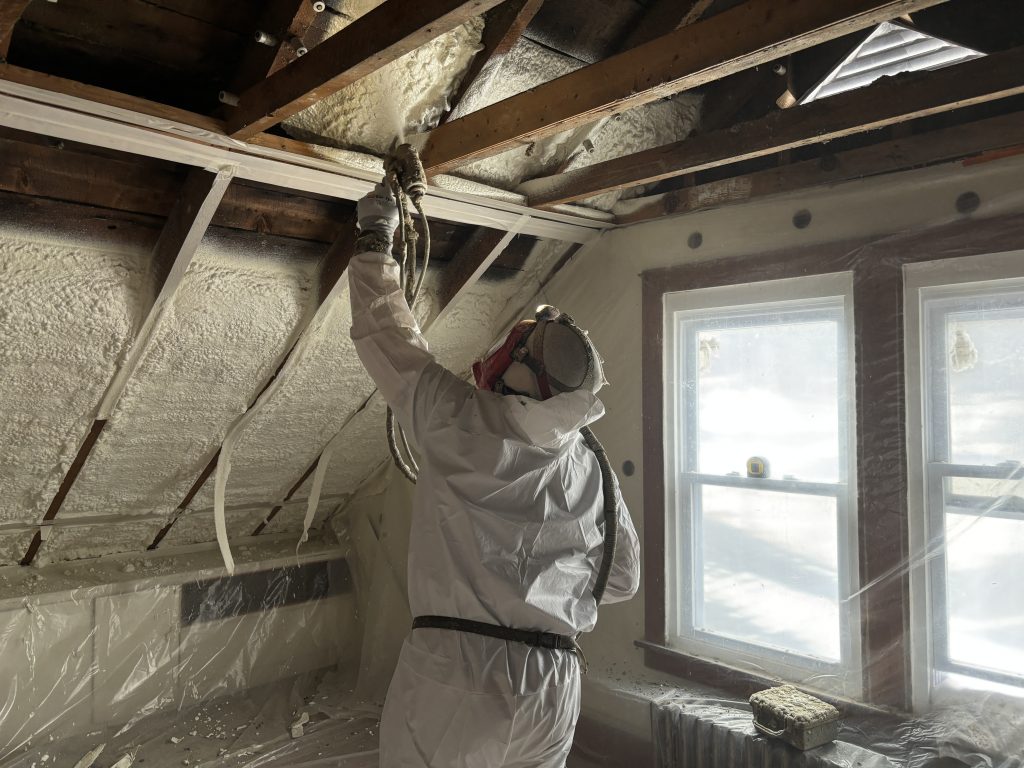
Proper insulation is the cornerstone of an energy-efficient home. It minimizes heat transfer, keeping warm air inside during winter and outside during summer. This reduces the workload on heating and cooling systems, leading to lower energy consumption and cost savings.
If you’re thinking about insulating your New Hampshire or your Vermont home, you should call Farnum Insulators for fast, efficient, and professional insulation applications.
2. Seal Air Leaks to Prevent Energy Loss
Identifying and sealing gaps around windows, doors, and other openings prevents drafts and maintains indoor temperatures. Simple measures like weatherstripping and caulking can make a noticeable difference.
3. Improve Your Home’s Ventilation
Adequate ventilation ensures fresh air circulation, reducing moisture buildup and improving indoor air quality. Consider installing energy-efficient ventilation systems to balance air exchange without compromising efficiency.
4. Choose Energy-Efficient Windows & Doors
Upgrading to energy-efficient windows and doors minimizes heat transfer. Farnum Insulators offers Indow® Interior Window Inserts, which double your windows’ energy efficiency without the need for full replacements.
5. Optimize Your Heating & Cooling Systems
Regular maintenance of HVAC systems ensures they operate efficiently. Upgrading to energy-efficient models and using programmable thermostats can further reduce energy consumption.
Read more: How to tell if your insulation is bad.
Common Myths About Energy Efficiency in Cold Climates
❌“You Don’t Need Ventilation in an Energy-Efficient Home”
 Even airtight homes require proper ventilation to maintain air quality and prevent moisture issues.
❌“Energy-Efficient Homes Are Always Expensive”
While energy-efficient upgrades require an initial investment, rebates and incentives can help offset the cost. Plus, the long-term savings on your energy bills far outweigh the upfront expense. Think of it as a smart investment that enhances your home’s comfort while putting money back in your pocket over time.

❌“Energy-Efficient Upgrades Are Only for New Homes”
Existing homes can see substantial benefits from energy-efficient upgrades, often through simple retrofits. Older homes, in particular, tend to have hidden gaps and drafts that, when properly sealed and insulated, can dramatically improve comfort and efficiency.
❌“Insulation Can’t Help in Warmer Months”
Insulation regulates indoor temperatures year-round, keeping homes cooler in summer and warmer in winter.
The Best Energy Efficiency Upgrades for Immediate Savings
Small Upgrades with Big Impact
- Weatherstripping: Seals gaps around doors and windows.
- Thermal Curtains: Reduce heat loss through windows.
- Duct Sealing: Prevents air leaks in heating and cooling systems.
Mid-Term Investments
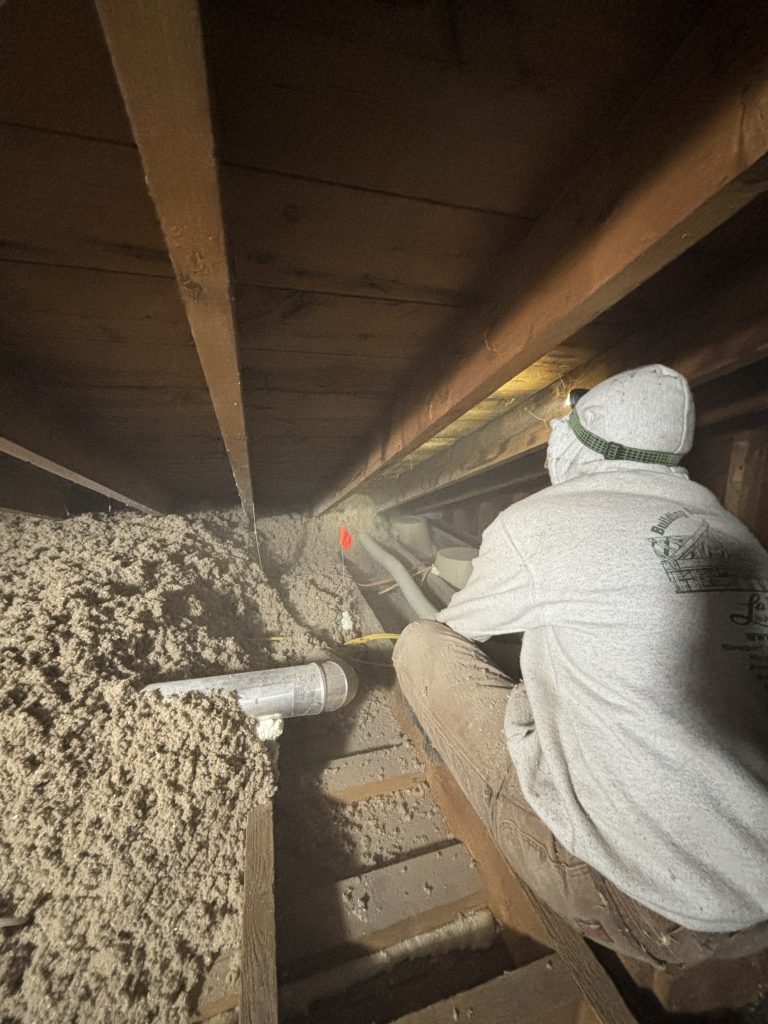
- Attic Insulation: One of the many advantages of cellulose insulation is that it’s highly effective in attics because it provides excellent thermal performance, fills small gaps, and allows moisture to escape rather than trapping it. This helps prevent issues like mold and rot, which can be a concern in poorly ventilated attics. Additionally, cellulose is made from recycled materials, making it an environmentally friendly option.
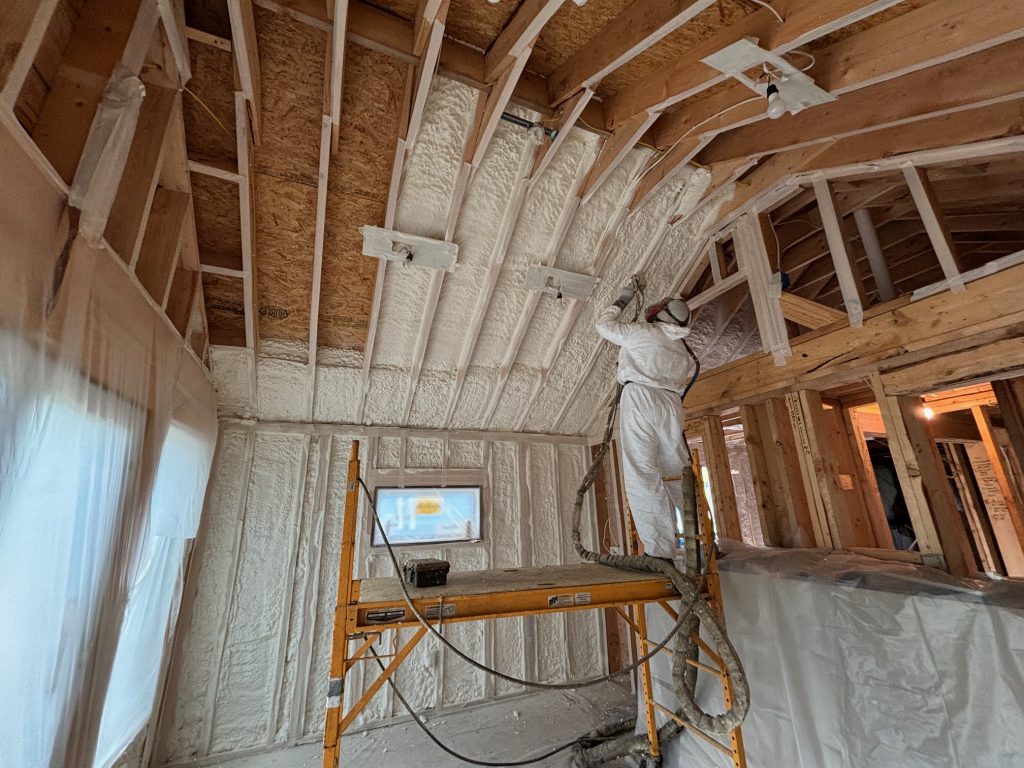
- Basement Insulation: Spray foam insulation benefits include its ability to create an airtight, moisture-resistant seal. Basements are prone to dampness, and spray foam’s water-resistant properties help prevent mold and mildew growth while also providing strong insulation against temperature fluctuations.
Read more: Cellulose vs Spray Foam Insulation — Which one is better for your case?
- Ventilation Improvements: Upgrades that balance air quality and energy efficiency.
- Energy Audit: Professional assessments identify areas for improvement. Farnum Insulators offers diagnostic testing to pinpoint energy losses.
Long-Term Investments
- Energy-Efficient Windows: Reduce heat transfer and improve comfort. Farnum Insulators offers Indow® Interior Window Inserts, which double your windows’ energy efficiency without the need for full replacements.
- HVAC System Upgrade: Modern systems offer better efficiency and lower operating costs.
- Smart Home Energy Solutions: Automation systems that optimize energy use.
How Insulation Services in NH & VT Can Help You Save
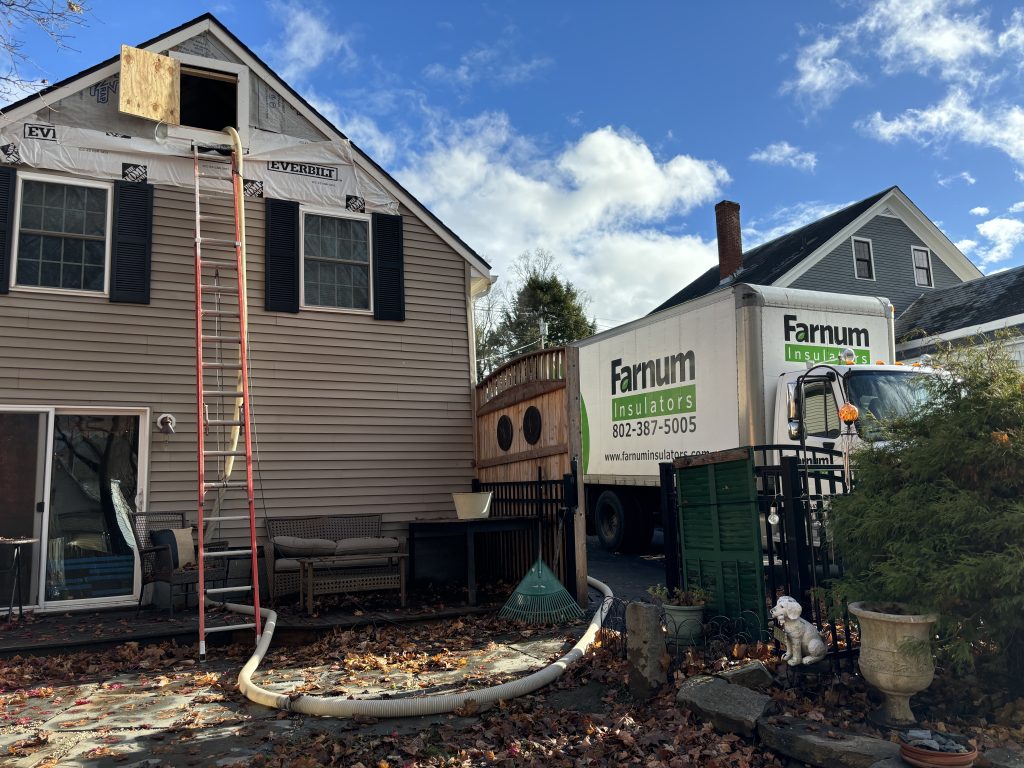
Farnum Insulators, serving Vermont and New Hampshire, offers tailored insulation solutions to meet the unique needs created by this specific climate. Their expertise ensures that your home remains comfortable and energy-efficient throughout the year.
Start Making Your Home More Energy Efficient Today!
Improving your home’s energy efficiency is a worthwhile investment that pays off in comfort, savings, and environmental impact. Begin with simple steps and consider professional services for more significant upgrades.
FAQs
What is the most energy-efficient style of house?
Passive houses, designed with airtight construction, high insulation levels, and energy-efficient systems, are among the most energy-efficient designs.
What runs the most energy in a house?
Heating and cooling systems typically consume the most energy in a home, especially in regions with extreme temperatures.
How to reduce the electricity bill?
Implement energy-efficient appliances, seal air leaks, upgrade insulation, and consider renewable energy sources like solar panels.
What is the best type of insulation for energy efficiency?
The optimal insulation depends on your home’s specific needs. Both cellulose and spray foam insulation offer high R-values and excellent performance. Consulting with professionals like Farnum Insulators can help determine the best choice for your situation.