
Basements can be a major source of heat loss in New England homes, especially during long winters. If you’re wondering whether insulating your basement walls is worth it, or even necessary, this guide breaks down what you need to know.

Do You Really Need to Insulate Basement Walls?
If you live in Vermont or New Hampshire, insulating your basement walls is often more than just a comfort upgrade, it’s a step toward long-term energy efficiency, healthier indoor air, and even building code compliance. But how do you know if it’s truly necessary in your situation?
When Insulation Is a Must:
- You have a finished or partially finished basement used for living, working, or storage.
- You want better energy efficiency and lower heating/cooling bills year-round.
- You’ve noticed drafts, cold floors, or dampness in the basement or upper levels.
- You’re aiming to meet local building code requirements in Vermont or New Hampshire, which often call for basement insulation in newer homes.
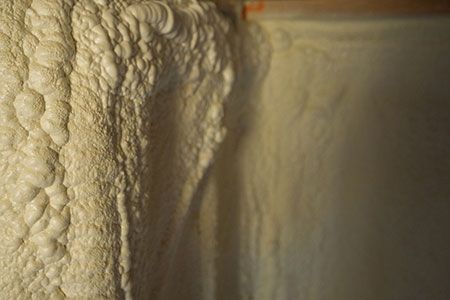
📌 New England building codes generally recommend basement wall insulation, especially in homes built after 2010. Farnum Insulators stays up-to-date with these codes to ensure compliance and performance.
Key Benefits
Whether you choose cellulose insulation in Vermont or spray foam insulation in Vermont, properly insulating your basement walls offers several valuable advantages:
 Lower energy bills and improved temperature regulation
Protection from moisture, condensation, and mold issues
A more comfortable basement space, warm in winter, cool in summer
Quieter living spaces with added soundproofing
Better air quality and fewer drafts
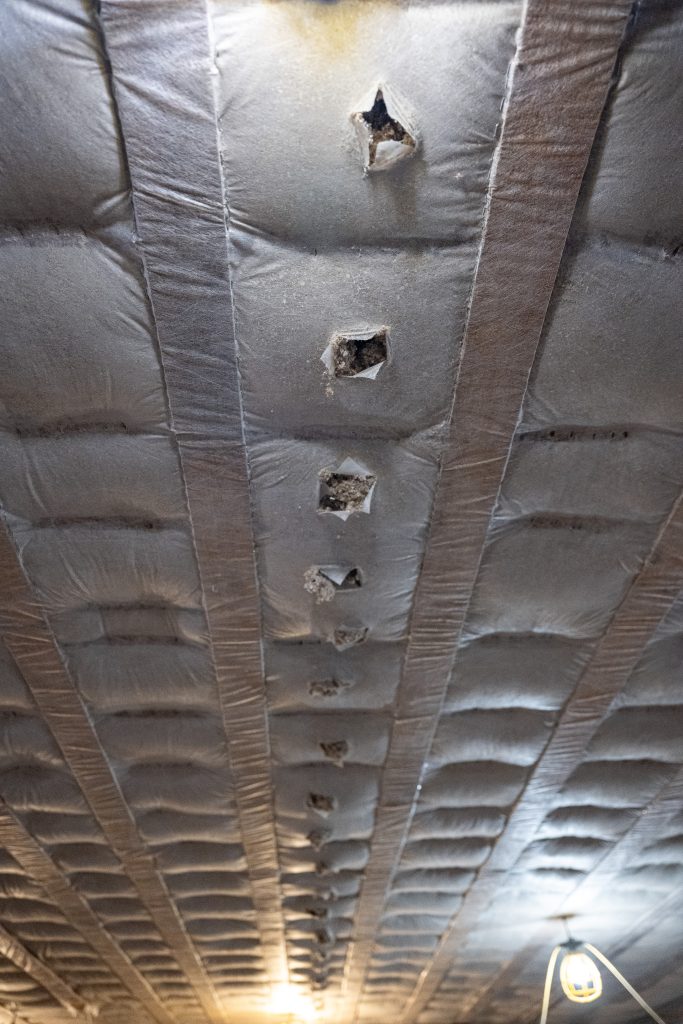
Homes insulated by Farnum often see dramatic reductions in heating costs thanks to expertly installed spray foam and cellulose systems.
How to Insulate Basement Walls the Right Way
Each home is unique, and basement insulation isn’t one-size-fits-all. Here’s how professionals approach it:
Inspect the Wall Condition
- Check for moisture problems, foundation cracks, or signs of mold
- Ensure the structure is dry and stable before beginning insulation
Choose the Right Insulation Type
- Closed-cell spray foam for air sealing and moisture control
- Foam board for affordability and durability
- Mineral wool for fire resistance
- Cellulose insulation for eco-friendly and thermal performance
Interior vs. Exterior Application
- Interior insulation is easier for retrofits
- Exterior insulation can offer complete thermal protection but is more labor-intensive
Handle Vapor Barriers Correctly
- Prevent trapped moisture by sealing walls the right way
Hire Certified Pros
- Spray foam insulation in New Hampshire should only be applied by trained experts, like Farnum’s team, to avoid costly mistakes
Common Insulation Materials Compared
| Insulation Type | R-Value (per inch) | Best For | Moisture Resistance | Notes |
| Closed-Cell Spray Foam | 6.0–7.0 | Finished basements, tight spaces | Excellent | Adds air + moisture seal |
| Rigid Foam Board | 4.0–5.0 | Interior walls | Good | Affordable and durable |
| Mineral Wool | 3.7–4.2 | Fire-resistant builds | Moderate | Doesn’t retain water |
| Fiberglass Batts | 2.9–3.8 | Stud wall cavities | Poor | Must be kept dry |
Farnum often recommends a combination of spray foam insulation and cellulose insulation for New Hampshire and Vermont homes to balance performance, cost, and moisture protection.
What Happens If You Don’t Insulate Basement Walls?
Ignoring your basement walls can lead to several frustrating (and expensive) problems:
❌ Higher utility bills due to heat loss
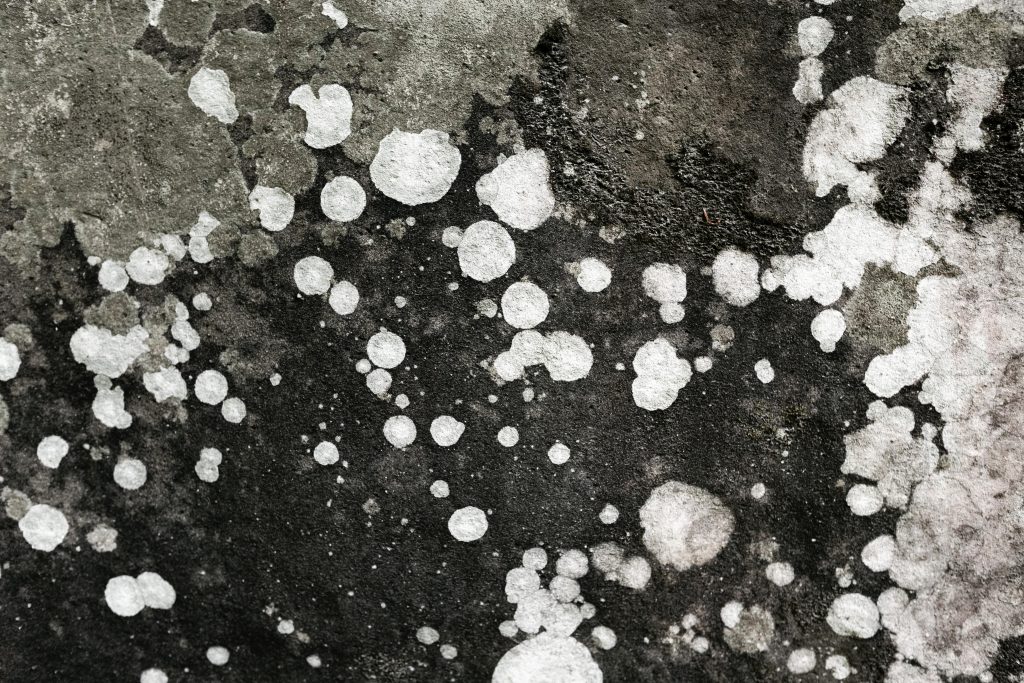
❌ Risk of condensation and mold buildup
❌ Cold floors in rooms above the basement
❌ Lower home resale value and energy efficiency score
Is Interior or Exterior Insulation Better?
Both methods have their pros and cons, and the right choice often depends on your home’s age, layout, and renovation goals:
🏠 Interior insulation is less invasive and more affordable, especially in retrofits
🌎 Exterior insulation offers continuous thermal protection but is best done during new construction or major renovations
🔄 Hybrid solutions can be effective in basements with mixed conditions💡 Spray foam works well in both cases, especially for hard-to-reach areas and moisture-prone zones
FAQs
Do I need to insulate basement walls if I’m not finishing the space?
Even unfinished basements can benefit from insulation, especially in cold climates like New England. It helps protect plumbing, improve whole-home efficiency, and keep floors warmer.
Do concrete walls need to be insulated?
Yes, concrete walls should be insulated to improve comfort, prevent moisture issues, and reduce energy costs.
Can I use fiberglass insulation directly on concrete walls?
No, fiberglass absorbs moisture and can lead to mold. Foam board or closed-cell spray foam is a better choice for direct application to masonry.
Should basement walls be insulated to the floor?
Yes, basement walls should be insulated from the top down to the floor to maximize energy efficiency and prevent cold spots.
Will insulating basement walls make a house warmer?
Yes, insulating basement walls reduces heat loss, making your home warmer and more energy-efficient.
How much does basement wall insulation cost?
The cost of insulating basement walls can vary depending on several factors, including the size of the space, the type of insulation used, and the complexity of the installation. For the most accurate estimate, it’s best to schedule a professional assessment of your basement and insulation needs.
Final Thoughts: Is Basement Insulation Worth It for You?
If your goal is a cozier, healthier, and more efficient home, insulating basement walls is one of the most impactful upgrades you can make, especially in climates like New Hampshire and Vermont. Whether you’re prepping to finish the space or just want to stop heat loss, it’s worth exploring your options.

Need help deciding the best approach for your home? Farnum Insulators provides expert installation of spray foam insulation in Vermont and New Hampshire, as well as cellulose insulation solutions designed for New England’s climate.