
What is Cellulose Insulation?
Cellulose insulation is a sustainable insulation material primarily made from recycled paper products, such as newspapers, treated with fire-retardant chemicals. It is commonly used in homes and commercial buildings to improve energy efficiency and thermal comfort. Cellulose insulation is known for its affordability, eco-friendliness, and effectiveness in sealing gaps and crevices.
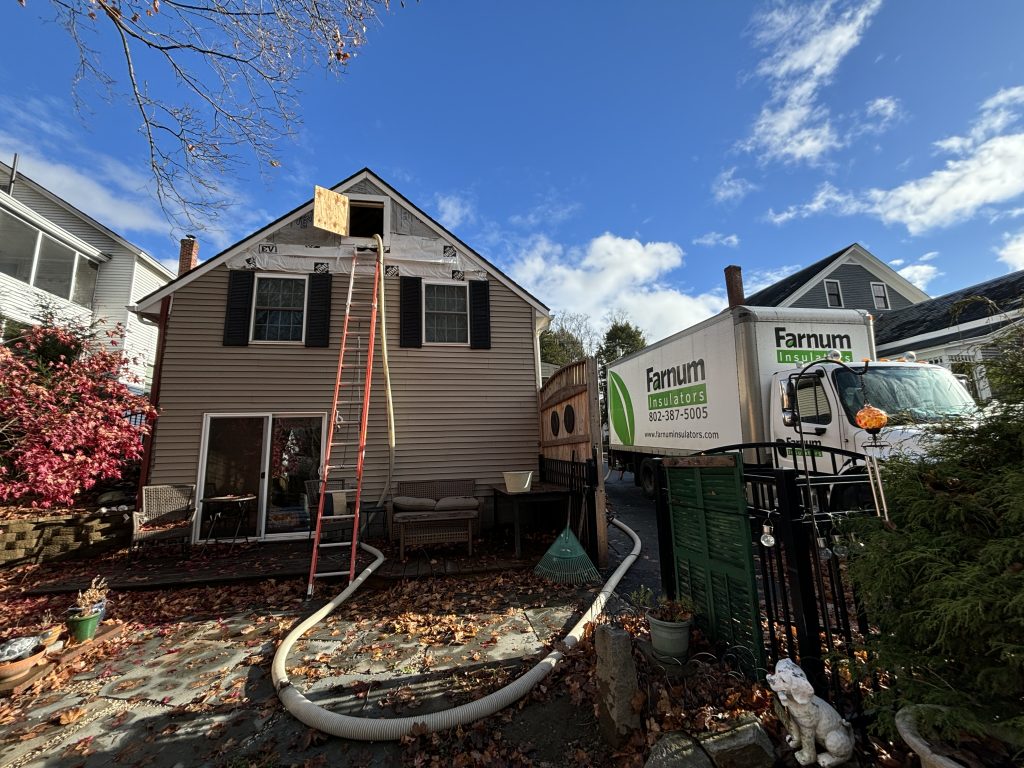
Types of Cellulose Insulation
By application method
| Type | Description | Typical Application |
|---|---|---|
| Blown-In Cellulose | A method using machines to blow loose or dense material into cavities. | Attics, walls, ceilings. |
| Spray-Applied (Wet-Spray) | Mixed with water to adhere to open surfaces. | New constructions, open walls. |
| Stabilized Cellulose | Contains adhesive to prevent shifting over time. | Open attics, horizontal applications. |
By density and use
| Type | Description | Typical Application |
|---|---|---|
| Loose-Fill Cellulose | Loose material blown into open spaces. | Attics, irregular spaces. |
| Dense-Pack Cellulose | Blown at high density for increased resistance to air flow. | Closed walls, sloped ceilings. |
By specific purpose
| Type | Description | Typical Application |
|---|---|---|
| Thermal Cellulose | Designed to enhance thermal efficiency. | Walls, ceilings, attics. |
| Soundproofing Cellulose | Formulated to maximize noise reduction. | Interior walls, ceilings between floors. |
Pros and Cons of Cellulose Insulation
| Benefits | Drawbacks |
|---|---|
| – Eco-friendly and sustainable – Excellent thermal performance – Noise reduction – Fire resistance – Cost-effectiveness – Pest and mold resistance | – Settling over time – Moisture sensitivity – Installation complexity – Dust during installation – Weight |
Cellulose Insulation Advantages
1. Energy Efficiency & Cost Savings
Cellulose insulation boasts a high R-value, providing excellent thermal resistance. This helps reduce energy bills by keeping your home warm in winter and cool in summer. The material’s ability to minimize air leaks further enhances energy efficiency.
2. Superior Soundproofing
Its dense composition makes cellulose insulation a great option for reducing noise transfer. Whether it’s between rooms or from external sources, you’ll enjoy a quieter living environment.
3. Eco-Friendly Insulation
Made from up to 85% recycled paper products, cellulose insulation is one of the most sustainable insulation options on the market. It also requires less energy to manufacture compared to other materials, making it a greener choice.
4. High Thermal Performance
Cellulose insulation creates an effective barrier against heat loss and drafts, ensuring consistent indoor temperatures. Its ability to conform tightly to spaces prevents thermal bridging and improves overall performance.
5. Quick and Easy Installation
Professionally installed blown-in cellulose insulation can be completed in a short amount of time. It fills irregular spaces, wall cavities, and attics seamlessly, making it an efficient option for retrofits and new builds alike.
6. Versatile Usage in Various Areas
Cellulose insulation works well in attics, walls, and hard-to-reach areas. Its adaptability allows it to suit a wide range of home layouts and insulation needs.
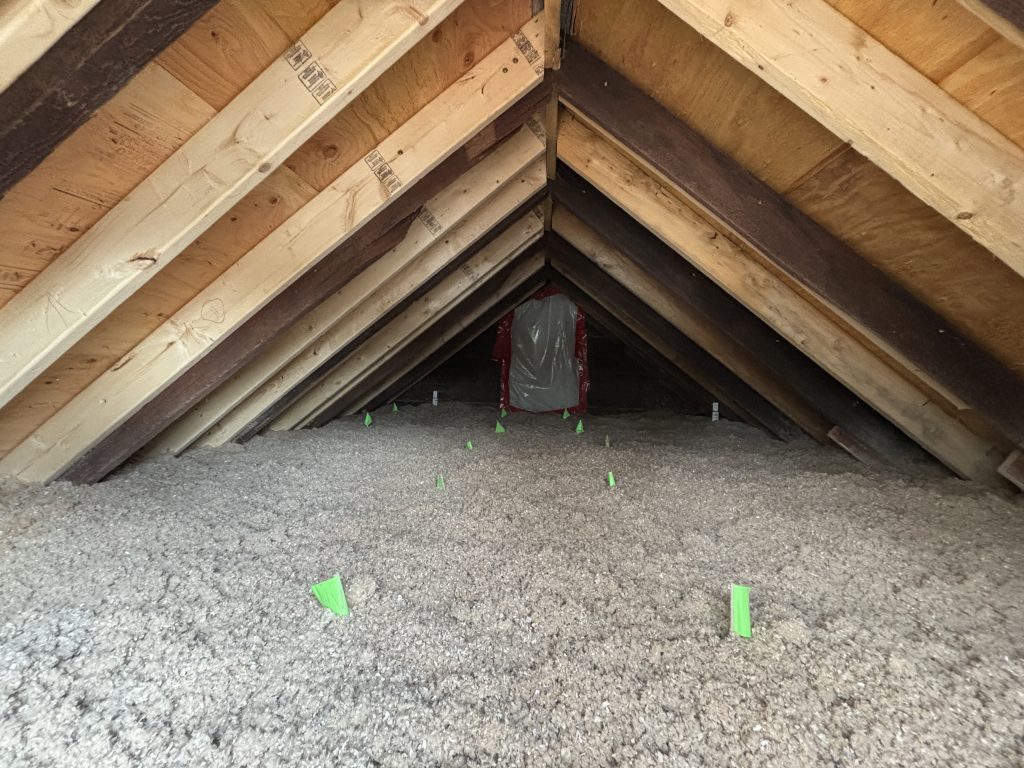
Cellulose Insulation Disadvantages
- Settling: May reduce effectiveness over time if not installed properly.
- Installation Complexity: Requires professional equipment for optimal results.
- Dust During Installation: Produces dust, requiring protective measures.
- Weight: Heavier than some alternatives, needing structural consideration in certain applications.
💡If these disadvantages are a concern, consider spray foam insulation as an alternative. It offers different benefits and may better suit your needs.
Comparing Cellulose Insulation to Other Types
| Aspect | |||
|---|---|---|---|
| Cost | Moderate, slightly more expensive than fiberglass. | Low initial cost, very affordable. | High initial cost, long-term savings. |
| R-value | ~3.2–3.8 per inch. | ~2.2–2.7 per inch, lower efficiency overall. | ~6.0–7.0 per inch, superior performance. |
| Material | Recycled paper treated for fire and pest resistance. | Glass fibers from recycled and raw materials. | Polyurethane or synthetic chemicals. |
| Durability | Can settle, may need top-ups; good air sealing. | Does not settle but loses efficiency when wet. | Long-lasting, moisture-resistant, no settling. |


How to Decide if Cellulose Insulation Is Right for You
Factors to Consider
Climate Condition
If you live in a region with high and low temperatures, the high R-value of cellulose insulation can help maintain comfort year-round. Keep in mind that moisture affects cellulose’s performance.
Budget and Cost
Cellulose insulation is an affordable option, particularly for homeowners looking to improve energy efficiency without breaking the bank.
State of Your Home
Homes with gaps, crevices, or hard-to-reach spaces can benefit significantly from cellulose insulation due to its ability to fill these areas effectively.
Choose Cellulose If…
 You want an eco-friendly insulation option. You’re looking to save on energy costs with a high R-value material. You need insulation for irregular or hard-to-reach spaces.
💡If you want to make the most informed choice, then you should consider diagnostic testing services, which provide detailed information regarding your particular case.
The Importance of Professional Assessment: Choose Farnum
Professional assessment ensures the right insulation solution for your home. Farnum Insulators, serving Vermont and New Hampshire, provides expert guidance and installation services to maximize the benefits of cellulose insulation. With our team, you can trust that your home will be insulated efficiently and effectively.
Ready to make the smart choice?
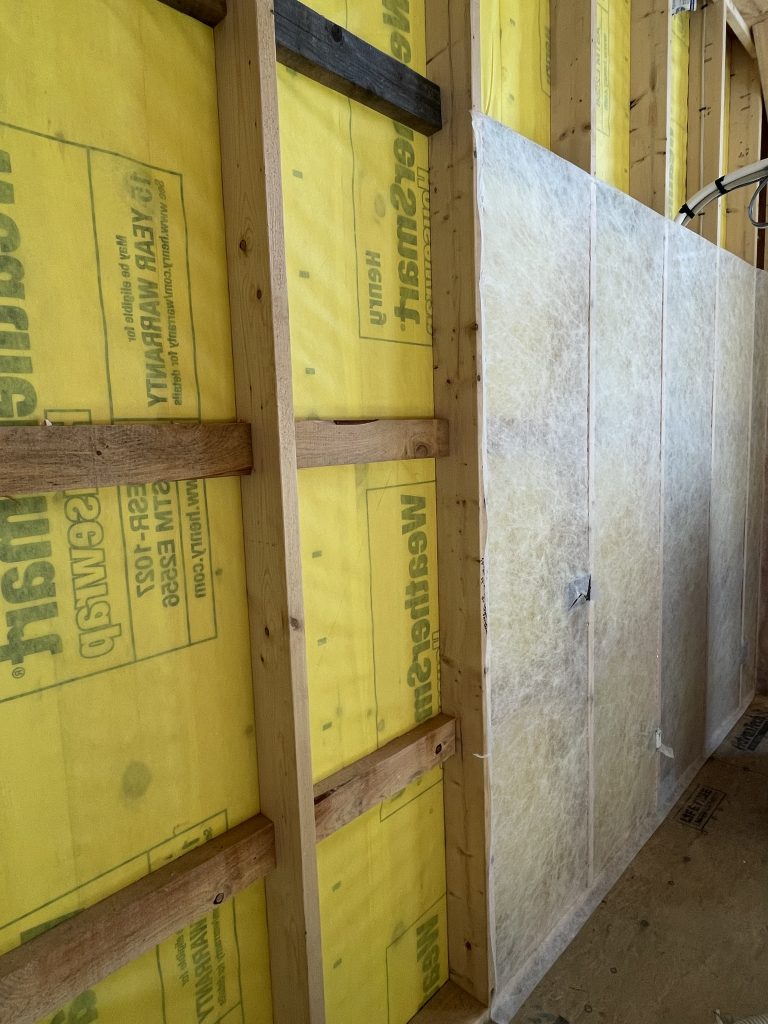
FAQs
What is the downside of cellulose insulation?
Some downsides include settling over time, moisture sensitivity, and the potential for dust during installation. Professional installation mitigates most of these issues.
Do mice hate cellulose insulation?
Cellulose is certainly treated to resist pests, but it does not guarantee complete pest prevention. Mice may still find ways into a home.
What happens if cellulose insulation gets wet?
If wet, cellulose insulation may lose its effectiveness and could require removal or replacement to prevent mold growth.
Is cellulose insulation good for an attic?
Yes, its ability to conform tightly to spaces makes it an excellent choice for attics, providing superior thermal performance.
What is the life expectancy of blown-in cellulose insulation?
Properly installed cellulose insulation can last 20 to 30 years, depending on environmental conditions and maintenance.
Does mold grow on cellulose insulation?
Cellulose insulation is treated with mold inhibitors, reducing the risk of mold growth, specially when kept dry.
Does cellulose insulation lose R-value?
Settling and moisture can reduce R-value over time, but proper installation minimizes this risk.
Is it OK to mix cellulose with fiberglass insulation?
While mixing insulation types is possible, it’s essential to consult a professional to ensure compatibility and effectiveness.