
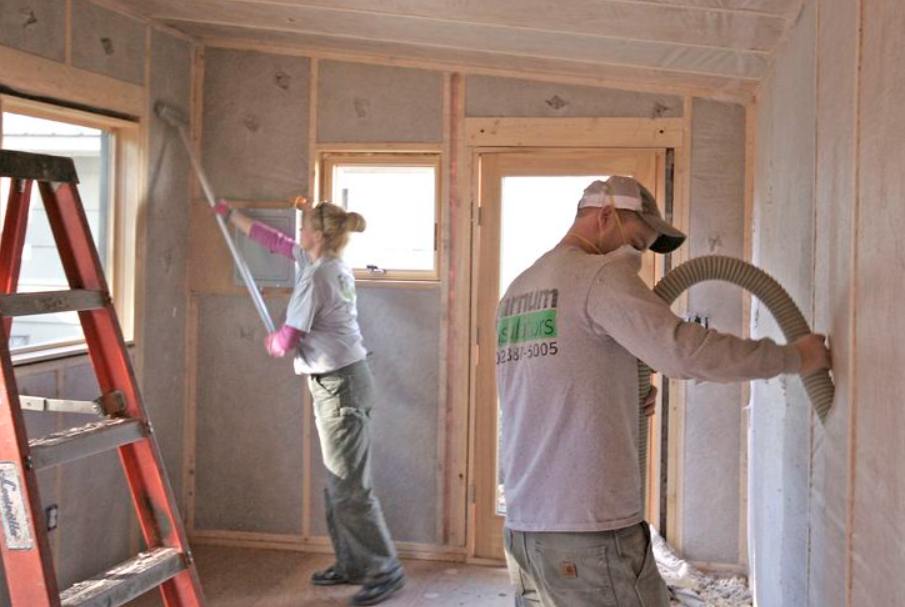
Living in Vermont means cozy winters by the fire… and also months of heavy snow and humid summers that can test any home.
Without proper insulation, you’ll feel it quickly: rising energy bills, cold drafts sneaking in, and rooms that never stay at the right temperature.
The good news? The right insulation can make your Vermont home more comfortable, more efficient, and even healthier. In this guide, we’ll walk you through the best types of insulation for VT homes, highlight where each one works best, and share tips to help you choose the right fit for your property.
Why Proper Insulation Matters in Vermont
Vermont winters can be long and chilly, and summers bring more humidity than you might expect. If your home isn’t insulated well, it shows. Here’s why insulation is essential for Vermont homes:
- Winter protection: Keeps warm air inside and prevents ice dams from forming on roofs.
- Summer comfort: Helps block outside heat and reduces the strain on air conditioners.
- Lower energy bills: Reduces the need for constant heating or cooling, saving homeowners money throughout the year.
- Moisture control: Creates a barrier against seasonal humidity, snow melt, and rain, minimizing the risk of mold or structural damage.
- Improved air quality: Seals drafts that bring in dust, pollen, and outdoor pollutants.
- Consistent comfort: Maintains even temperatures across different rooms, avoiding cold spots or overheated spaces.
Good insulation acts like a protective layer for your house. It keeps warm air inside during winter, blocks unwanted heat in the summer, helps control moisture, and maintains a comfortable temperature in every room.
With the right insulation, Vermont homeowners enjoy better comfort, lower energy bills, and protection for their homes.
What Is the Best Insulation for a House in VT?
Because Vermont experiences both cold winters and humid summers, the best insulation for a house in VT is one that effectively handles temperature swings and moisture.
Not every material performs equally well in all areas of a home, so the choice depends on your priorities: whether that’s maximizing efficiency, controlling costs, or choosing environmentally friendly options.
Common Types of Insulation Used in VT Homes
Here’s a look at the most common types of insulation used in Vermont homes and where they perform best:
| Insulation Type | Best For | Benefits | Considerations |
| Spray Foam Insulation | Basements, attics, hard-to-reach areas | Seals air leaks, resists moisture, high R-value | Higher upfront cost, long-term energy savings |
| Dense Pack Cellulose | Walls, attics | Eco-friendly, seals gaps and drafts, made from recycled materials | Requires professional installation |
| Loose-Fill Cellulose | Attics, wall cavities, retrofits | Sustainable, effective for irregular spaces, good soundproofing | Can settle over time, slightly lower R-value than spray foam |
| Fiberglass Batts | DIY projects, interior walls | Affordable, widely available, easy to install | Less effective against air leaks, efficiency drops if compressed |
| Rigid Foam Board | Foundations, exterior walls | Strong moisture resistance, durable, high insulating power | It can be costly for larger spaces |
Signs Your Vermont Home Needs Better Insulation
Even a well-built home can lose comfort and efficiency if its insulation isn’t up to par. Some issues are subtle, while others are hard to ignore. Noticing any of the following could mean it’s time for a professional assessment:
✔️ Cold spots or drafts inside
✔️ Rising heating or cooling bills
✔️ Ice dams forming on your roof
✔️ Rooms that feel hotter or colder than others
Benefits of the Right VT Home Insulation
Investing in the right insulation goes far beyond simply keeping your house warmer in winter or cooler in summer. Proper insulation enhances your home’s overall comfort, protects it from moisture-related issues, and reduces strain on your heating and cooling systems.
Over time, the right solution can save money, prevent damage, and make your home a healthier place to live. Key advantages include:
- Lower heating and cooling bills
- A more consistent indoor temperature
- Reduced risk of ice dams and moisture issues
- Longer lifespan for HVAC systems
How to Choose the Best VT Home Insulation for Your Property
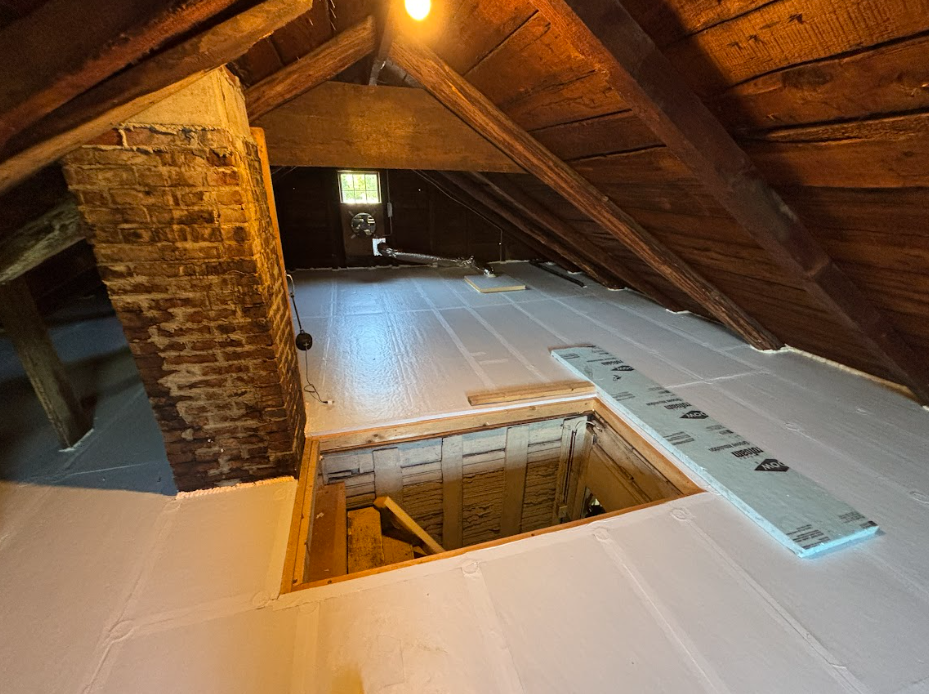
Every home is different, and the right insulation depends on your house’s age, layout, and problem areas. Let’s explore how to choose the best fit for your Vermont home.
Match Insulation to Your Vermont Home’s Age
Older Vermont homes, such as historic farmhouses or properties built before modern building codes were established, often have outdated or insufficient insulation. Materials may have degraded over time or were never designed for today’s energy demands.
For these homes, options like spray foam insulation and dense-pack cellulose insulation are excellent choices. They can fill irregular spaces, seal drafts, and bring older structures up to modern efficiency standards.
Check Current Insulation Levels in Key Areas
Even if your home already has insulation, it might not be enough for Vermont winters. Attics, basements, and crawl spaces are common areas where heat loss occurs.
Adding insulation or replacing outdated materials in these areas can greatly improve comfort and reduce energy costs.
Balancing Upfront Costs with Long-Term Savings
The best insulation for VT homes isn’t always the cheapest upfront. Spray foam requires a higher initial investment but provides consistent energy savings year after year.
Fiberglass batts are more affordable at installation but often lack the same air-sealing benefits. Homeowners should weigh budget versus long-term efficiency when making a decision.
Professional Insulation Installation in Vermont
Even the best insulation will not perform correctly without correct installation. Small gaps, uneven coverage, or missed areas can compromise comfort and efficiency.
A professional assessment identifies where energy is being lost, such as attics, basements, or crawl spaces, and ensures the chosen solution addresses Vermont’s climate challenges.
With trained installers, you can be confident that your insulation will provide long-term benefits like lower energy bills, consistent comfort, and protection against moisture.
Ready to Make Your Vermont Home More Comfortable?
The best insulation for VT homes depends on your home’s unique structure, current materials, and long-term goals. The right solution can lower energy bills, eliminate drafts, and make your home comfortable year-round.
At Farnum Insulators, we’ve spent decades helping Vermont homeowners choose and install insulation that works best for their needs.
Contact Farnum Insulators today to schedule your consultation and take the first step toward a better-insulated Vermont home.
FAQS
Do I need a professional to install insulation in my Vermont home?
While some DIY options exist, professional installation ensures gaps are sealed and materials perform properly. In Vermont’s extreme climate, expert installation like Farnum’s is key to preventing drafts, ice dams, and moisture issues.
Is spray foam insulation worth the cost in Vermont?
Although spray foam has a higher upfront cost, its ability to seal air leaks and resist moisture makes it one of the most effective long-term solutions for Vermont’s cold winters and humid summers.
What areas of a Vermont home lose the most heat?
Heat loss in Vermont homes often comes from attics, basements, crawl spaces, and exterior walls. Farnum Insulators specializes in sealing and insulating these problem areas to keep homes more efficient and comfortable.