
A damp basement is more than an inconvenience; it’s a sign your home may need attention. Moisture can weaken your foundation over time, create the perfect environment for mold, and make it harder to keep your home comfortable and energy efficient.
In Vermont, where weather can shift quickly and humidity often finds its way indoors, preventing basement moisture is an important part of maintaining a healthy home.
Below, we break down the most common causes of basement moisture, how to address it, and the insulation solutions that help keep basements dry and protected for the long run.
Why Moisture Builds Up in Vermont Basements
Basement moisture can come from more than one source. Vermont’s cold winters and humid summers create ideal conditions for condensation, leaks, and seepage. Common culprits include:
- Cracks in the foundation or concrete walls
- Poor insulation and air sealing
- Clogged gutters or improper drainage
- Leaky plumbing or sump pump failure
- Condensation from uninsulated pipes or cold surfaces
When left untreated, these problems lead to mold, structural damage, and unpleasant odors, all signs that your basement needs attention.
Signs You Have a Moisture Problem
A basement rarely becomes damp overnight. Small clues usually show up first, and catching them early can help you avoid bigger issues down the line. Before taking action, it’s important to identify the warning signs of a damp basement:
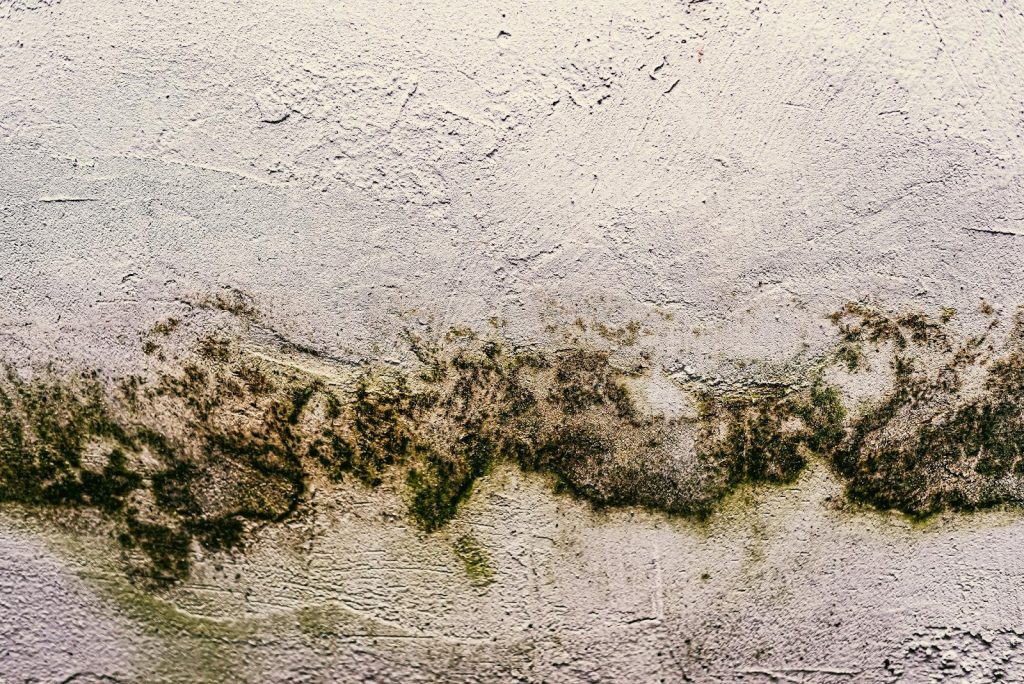
✅ Musty odors or visible mold
✅ Peeling paint or efflorescence (white residue on walls)
✅ Wet spots on walls or floor
✅ High humidity or condensation on windows
✅ Warped wood or rusted metal objects
If you notice any of these symptoms, it’s time to look deeper at the source.
Best Ways to Keep Your Basement Dry
There isn’t one single fix for basement moisture; it usually takes a few combined strategies. Here are the most effective approaches for Vermont homes:
1. Seal Foundation Cracks
Small foundation cracks can let in a surprising amount of water. Use a professional-grade sealant or call an insulation contractor to inspect and repair structural gaps before they spread.
2. Insulate Basement Walls and Floors
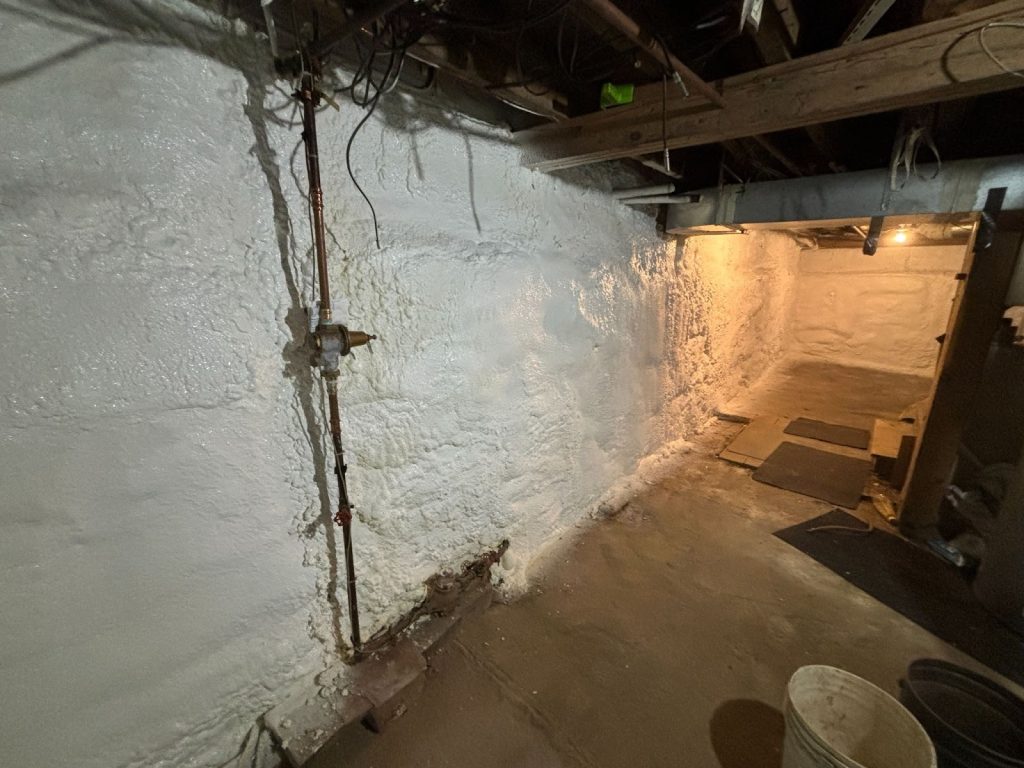
Proper insulation keeps temperature and humidity levels stable. Spray foam insulation, in particular, is highly effective at sealing air leaks and preventing condensation. Farnum Insulators uses closed-cell foam designed to resist both moisture and mold.
3. Improve Exterior Drainage
Ensure gutters and downspouts move water at least 6 feet away from your foundation. Grade your yard so water naturally flows downhill and away from your home.
4. Install a Dehumidifier
A basement dehumidifier helps control humidity, especially in summer. Aim to keep indoor humidity between 30% and 50%.
5. Check Plumbing and Appliances
Inspect pipes, sump pumps, and water heaters regularly. Even minor leaks can contribute to long-term dampness and mold growth.
Comparing Common Basement Moisture Solutions
Once you understand what’s causing moisture in your basement, the next step is choosing the right fix. Some solutions handle minor humidity, while others are designed for homes with ongoing water or air leakage.
The chart below breaks down common approaches so you can see what each one does best and what to keep in mind before moving forward.
| Solution | Ideal For | Pros | Considerations |
| Spray Foam Insulation | Sealing cracks, moisture resistance | Air- and vapor-tight, energy efficient | Requires professional installation |
| Dehumidifier | Humid climates or older homes | Easy to install, affordable | Needs regular maintenance |
| Drainage System | Heavy rainfall areas | Redirects water effectively | May involve excavation |
| Crawl Space Encapsulation | Homes with crawl spaces under the basement | Prevents ground moisture | Moderate installation cost |
| Pipe Insulation | Condensation control | Simple DIY fix | Limited to surface moisture issues |
How Insulation Helps Prevent Basement Mold in Vermont
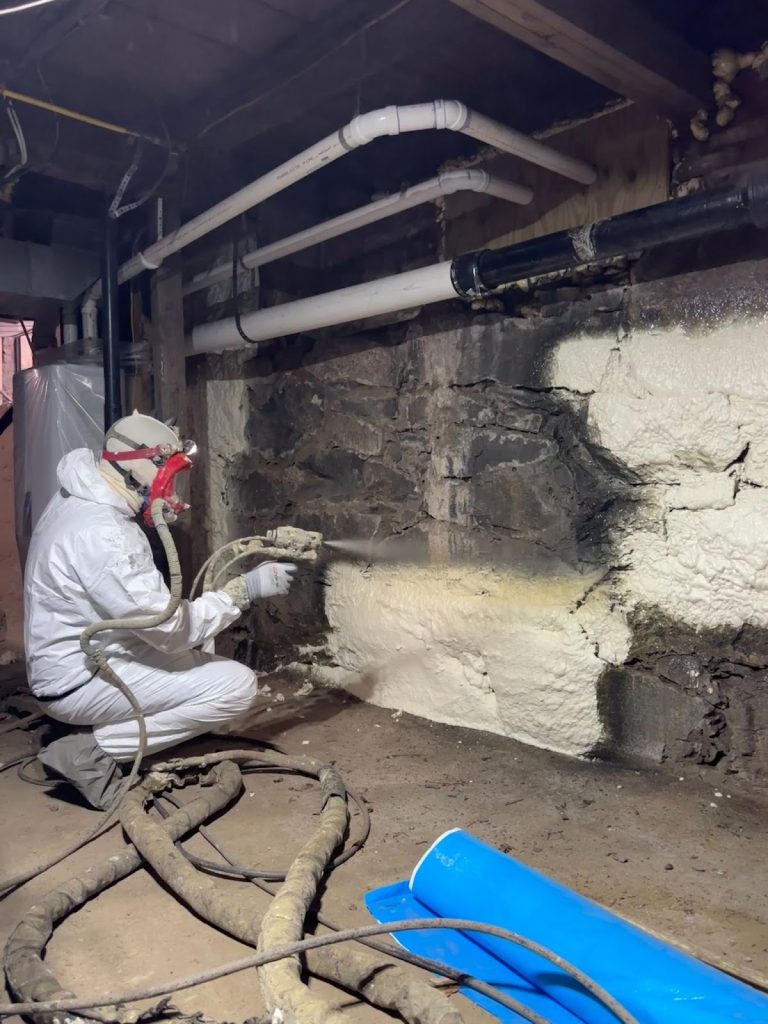
Insulation for your basement walls and floor is one of the most overlooked yet powerful defenses against basement moisture. By sealing air leaks and controlling temperature fluctuations, insulation minimizes the condensation that fuels mold growth.
Closed-cell spray foam also adds a vapor barrier, blocking humid air from reaching cold basement walls. The result? A dry, comfortable, and energy-efficient space that protects both your home and health.
Vermont’s Unique Basement Challenges
Living in Vermont means your basement battles the elements every season:
- Winter: Snow and ice melt around the foundation, seeping through small cracks and freezing again overnight — slowly widening gaps and inviting moisture inside.
- Spring: Thawing ground and heavy rains push water toward basements, especially in older homes with limited drainage.
- Summer: Warm, humid air meets cool concrete walls, forming condensation that feeds mold and musty odors.
- Fall: Temperature swings create air leaks and pressure changes that pull moisture from outside into basement walls.
These cycles make basement insulation more than a comfort upgrade: it’s essential protection for your home’s structure and air quality. That’s why working with Vermont-based insulation professionals matters: they understand local soil conditions, seasonal humidity, and how to seal homes for lasting results.
When to Call a Professional
If your basement has recurring dampness, visible mold, or musty smells that keep returning, it’s time for expert help. A professional insulation and moisture control specialist can:
- Identify hidden air leaks and weak spots
- Recommend the right insulation type for your home
- Provide long-term sealing and drainage solutions
Keep Your Vermont Basement Dry for Good
Basement moisture doesn’t have to be a constant struggle. By combining proper insulation, good drainage, and consistent maintenance, you can protect your home’s foundation and indoor air quality year-round.
If you’re ready to stop battling a damp basement, contact Farnum Insulators today. Our team offers basement insulation services across Vermont to help you keep your home warm, dry, and mold-free for years to come.
FAQs
How do I stop moisture in my basement?
Start by finding the source. Air sealing, improving drainage, adding proper insulation, and controlling indoor humidity are often enough to keep a basement dry. A professional assessment can help determine the exact fix.
How do I permanently dehumidify my basement?
Long-term dehumidification comes from addressing the cause, not just the symptoms. Air sealing, moisture-resistant insulation, and proper drainage create a stable environment where a dehumidifier can maintain humidity instead of fighting constant moisture.
Can a damp basement be fixed?
Yes, most damp basements can be fully corrected. With the right combination of sealing, insulation, and moisture control, you can stop the water intrusion and restore a dry, healthy space.