

If you live in Vermont, you know basements can get damp and chilly; perfect conditions for mold. We hear from homeowners all the time asking how to keep mold out of Vermont’s basements. The answer starts with tackling moisture and making sure your space is well ventilated.
Let’s look at how the right insulation can help keep your basement dry, warm, and healthy, so your home feels just right, year-round.
Why Mold Thrives in Vermont Basements
Vermont’s Climate and Mold Growth
Vermont’s long, cold winters and humid summers make it easy for mold to take hold. Basements get damp and chilly, and without good insulation or moisture control, mold can move in fast.
That can mean health problems and expensive repairs. Knowing how to prevent mold in basements in Vermont is a must for any homeowner.
Common Causes of Mold in Basements
Mold growth in basements is usually caused by moisture from several sources:
- Leaks in the foundation or walls.
- Condensation due to temperature differences.
- Poor ventilation.
Taking care of these trouble spots is key to stopping mold in Vermont’s basement.
How Insulation Helps Prevent Mold Growth in Basements
Insulation is one of your best defenses against mold. It keeps moisture out and helps your basement stay at a steady temperature.
In Vermont, big swings between warm and cold can cause condensation, one of the main reasons mold shows up in basements.
By keeping temperatures steady, insulation helps control moisture and makes it much harder for mold to grow. It’s one of the most effective ways to protect your basement.
Here’s how the right insulation helps keep mold away:
- Moisture control: Insulation keeps warm air in and cold air out, so you don’t get condensation on your basement walls.
- Temperature stability: A steady temperature means less moisture buildup, essential for stopping mold before it starts.
- Air-tight seal: Spray foam insulation is especially good at sealing out moisture and keeping mold and mildew at bay.
Key Areas for Insulation to Prevent Mold Growth:
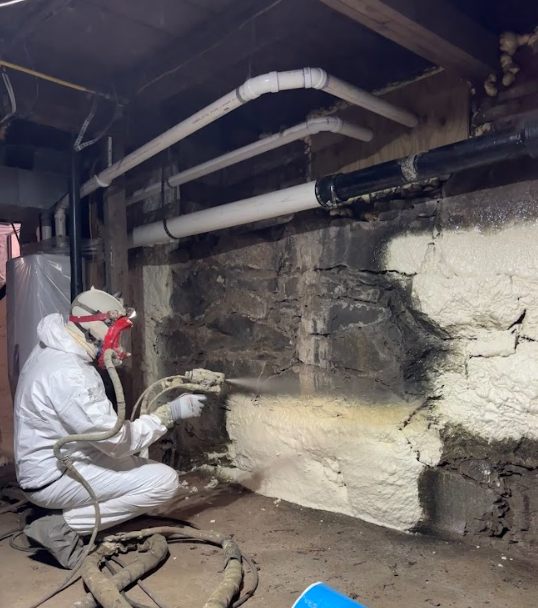
Insulating your basement and crawl spaces is a must. It keeps temperatures steady and stops moisture from sneaking in, especially in spots where mold likes to grow. Spray foam and dense pack cellulose are both great choices. They fill gaps and block drafts that can lead to moisture problems.
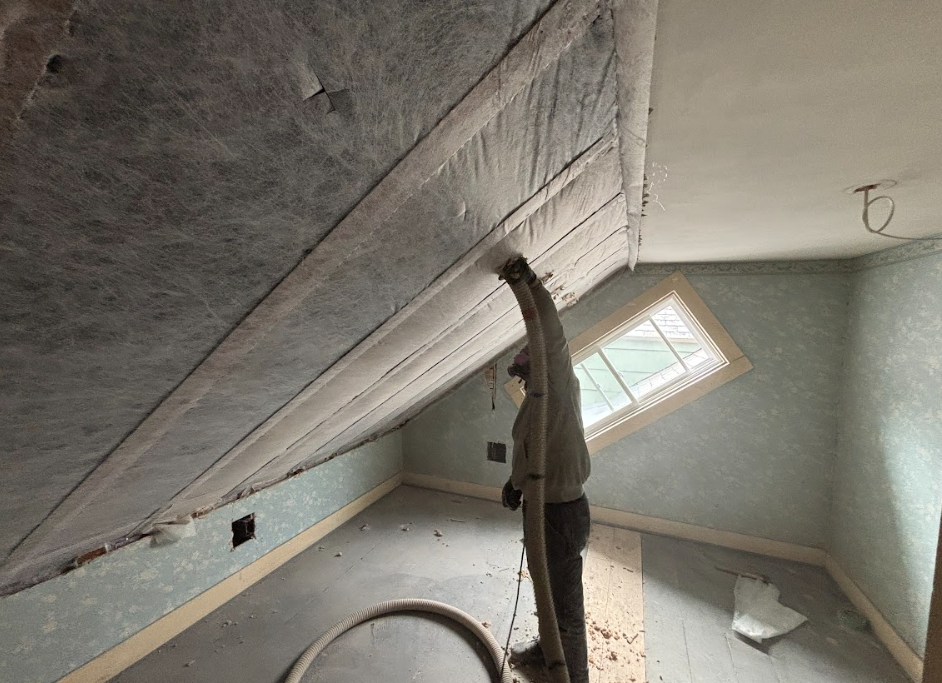
Even though your attic isn’t in the basement, attic insulation helps keep moisture levels down all over your home. When warm air isn’t escaping up, you get less condensation in lower levels, including the basement. That means a drier, healthier home for you.
Comparing Insulation Types for Mold Prevention in VT Basements
| Insulation Type | Best For | Benefits | Considerations |
| Spray Foam Insulation | Basements, crawl spaces, hard-to-reach areas | High R-value, moisture-resistant, seals air leaks | Higher upfront cost but long-term savings |
| Dense Pack Cellulose | Walls, attics | Eco-friendly, effective at sealing gaps | Professional installation required |
| Fiberglass Batts | Interior walls | Affordable, easy to install | Less effective against air leaks |
| Rigid Foam Board | Foundations, exterior walls | High moisture resistance, durable | Cost increases with larger areas |
Other Strategies to Prevent Mold Growth in Basements
Ventilation Systems and Dehumidifiers
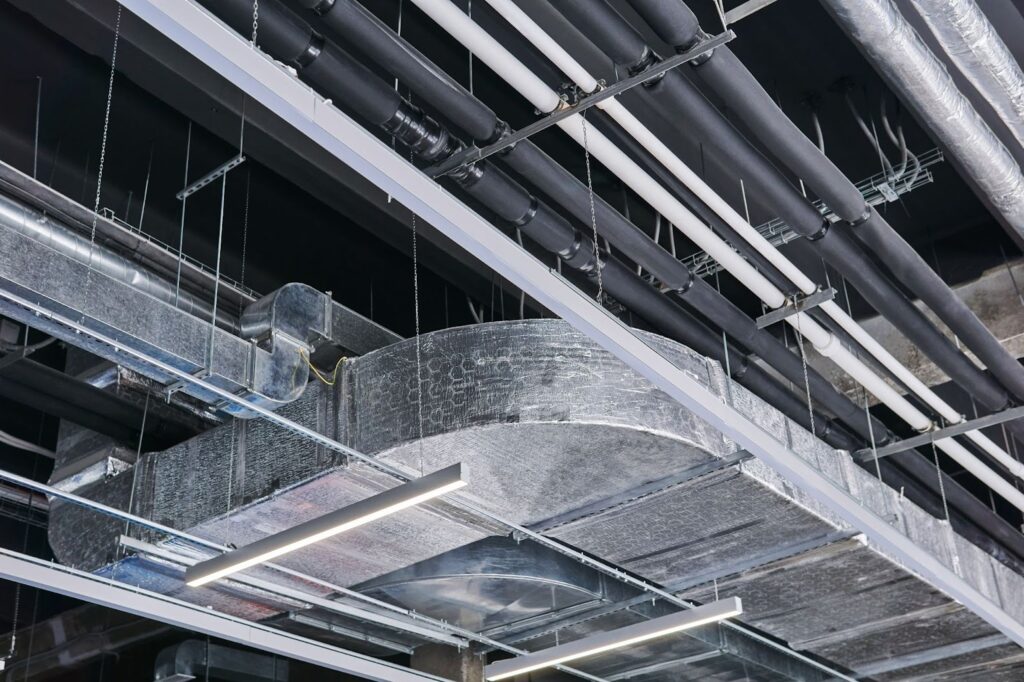
Along with insulation, a dehumidifier or better ventilation can help keep your basement air dry. Good airflow means less moisture, which is key to preventing mold growth in the basement. Adding a vapor barrier to the floor is another smart way to keep ground moisture out.
Sealing Cracks and Leaks
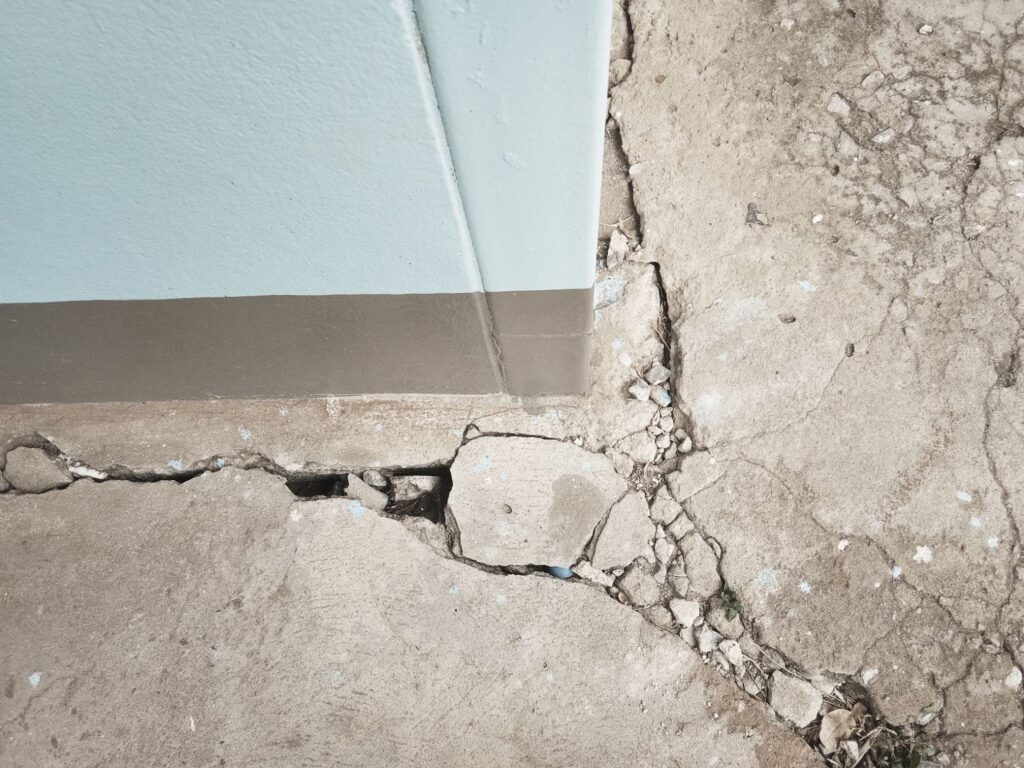
Check for cracks in your foundation or around windows and doors. Water can seep in through these gaps, leading to mold. Sealing them up with caulk or waterproofing materials goes a long way toward keeping your basement dry.
FAQs
How can I tell if my basement has mold?
Look for visible signs like dark spots on walls or musty smells. You can also have a professional inspect for hidden mold in areas with poor airflow.
What are the best insulation options for preventing mold in a Vermont basement?
Spray foam and cellulose insulation are the best options for preventing mold, as they seal out moisture and provide high levels of insulation.
Can I prevent mold without replacing my basement insulation?
While replacing insulation is a key factor, improving ventilation and sealing cracks and leaks can also help reduce the risk of mold.
Is it necessary to insulate my entire basement to prevent mold?
Focusing on key areas like foundation walls, crawl spaces, and attic insulation can go a long way in preventing mold, though full basement insulation provides the best results.
Final Thoughts:
Keeping mold out of your basement is a must for Vermont homeowners, especially with our humid summers and cold winters. The right insulation, like spray foam or cellulose, blocks moisture, keeps things comfortable, and helps protect your home for the long run.
Worried about mold in your basement? Or just want your home to feel drier and more comfortable? Give Farnum Insulators a call.We’re here to help you create a safer, cozier, and more energy-efficient home.