
Vermont winters can be breathtakingly beautiful, but they also bring some of the highest heating expenses in the country. Between long stretches of subzero temperatures and older homes that weren’t built with today’s energy standards in mind, many families see their bills skyrocket once the cold sets in.
The good news? You don’t have to choose between comfort and affordability. With a mix of everyday adjustments and smart home improvements, you can reduce your heating costs and stay warm all season long.
Key Takeaways
- Vermont homes face higher heating costs due to long winters, aging housing, and rising fuel prices.
- Small daily habits, like lowering the thermostat and sealing drafts, can lead to quick savings.
- Professional insulation upgrades deliver the most impactful and lasting reductions in heating bills.
Why Heating Bills Are So High in Vermont
Heating in Vermont isn’t just about keeping warm, it’s about surviving months of heavy snow and frigid temperatures. Several factors drive costs higher than the national average:
- Long, harsh winters that last from October through April.
- Older housing stock, where insulation and windows often haven’t been updated.
- Rising energy prices, especially for oil, propane, and electricity.
- Heat loss through attics, basements, and poorly sealed windows.
Understanding the root causes of high heating bills helps highlight where the biggest savings opportunities lie.

Energy-Efficient Upgrades Worth Considering
For Vermont homeowners, certain upgrades deliver strong returns year after year:
- Smart thermostats: These devices learn your patterns and automatically adjust heating, preventing wasted energy.
- Efficient heating systems: Upgrading an old boiler or furnace reduces energy consumption significantly.
- Window inserts or storm windows: Extra insulation for your glass panes can cut down on heat loss and drafts.
- LED lighting and energy-efficient appliances: While not directly tied to heating, reducing overall energy demand can lower your utility bill.
These changes require more commitment than daily habits, but they quickly pay for themselves in lower heating bills and improved comfort.
Quick Daily Habits That Help Cut Heating Costs
Not every solution requires a big investment. These small, practical changes can reduce heating costs immediately:
✅ Turn the thermostat down a few degrees at night or when you leave home. Even a 2-degree drop can save noticeable energy.
✅ Close curtains after sunset to block drafts and trap warmth indoors.
✅ Seal doors and windows with affordable weatherstripping to prevent heat leaks.
✅ Keep vents clear by moving furniture away from radiators and registers, ensuring heat circulates efficiently.
These simple steps might feel small, but together they create a noticeable impact on monthly bills.
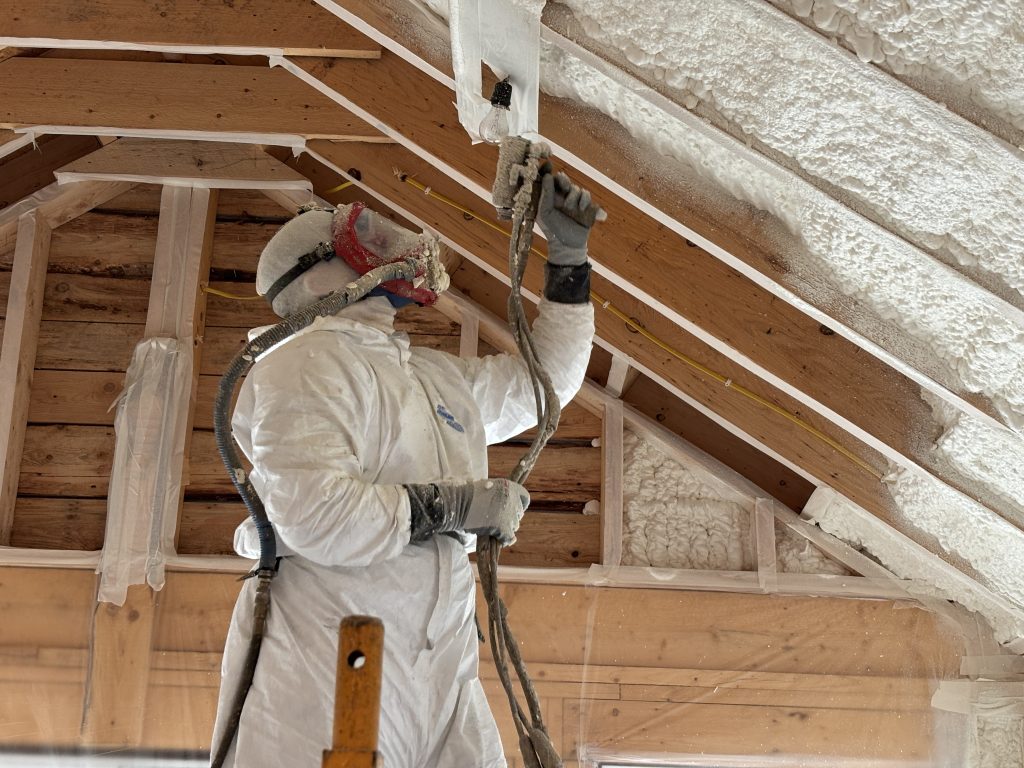
The Role of Home Insulation in Lowering Bills
If your home constantly feels drafty or your heating system runs nonstop, insulation could be the missing piece. Insulation works by slowing the transfer of heat, keeping warm air inside and cold air outside. In Vermont’s climate, the benefits are hard to ignore:
- Attic insulation stops rising heat from escaping.
- Basement and crawl space insulation keeps floors warmer and reduces drafts.
- Wall insulation upgrades address hidden areas where heat loss is significant.
Partnering with a local insulation professional ensures that the right materials and methods are used for Vermont’s unique weather conditions.
Comparing Popular Ways to Save on Heating Costs in VT
Vermont winters are no joke, and neither are the heating bills that come with them. The good news is, there are several effective ways to cut down on energy use and keep your home comfortable all season long. From simple upgrades to more permanent improvements, each method offers a different path toward lower utility costs and better home efficiency.
This table highlights the variety of approaches available, from quick fixes to long-term solutions.
| Method | Upfront Investment | Savings Potential | Best For |
| Weatherstripping | Low | Moderate | Renters & homeowners |
| Smart Thermostat | Moderate | High | Tech-friendly households |
| Attic Insulation | Moderate to High | Very High | Older Vermont homes |
| Window Inserts | Moderate | High | Homes with drafty windows |
| HVAC Tune-Up | Low to Moderate | Moderate | All homes |
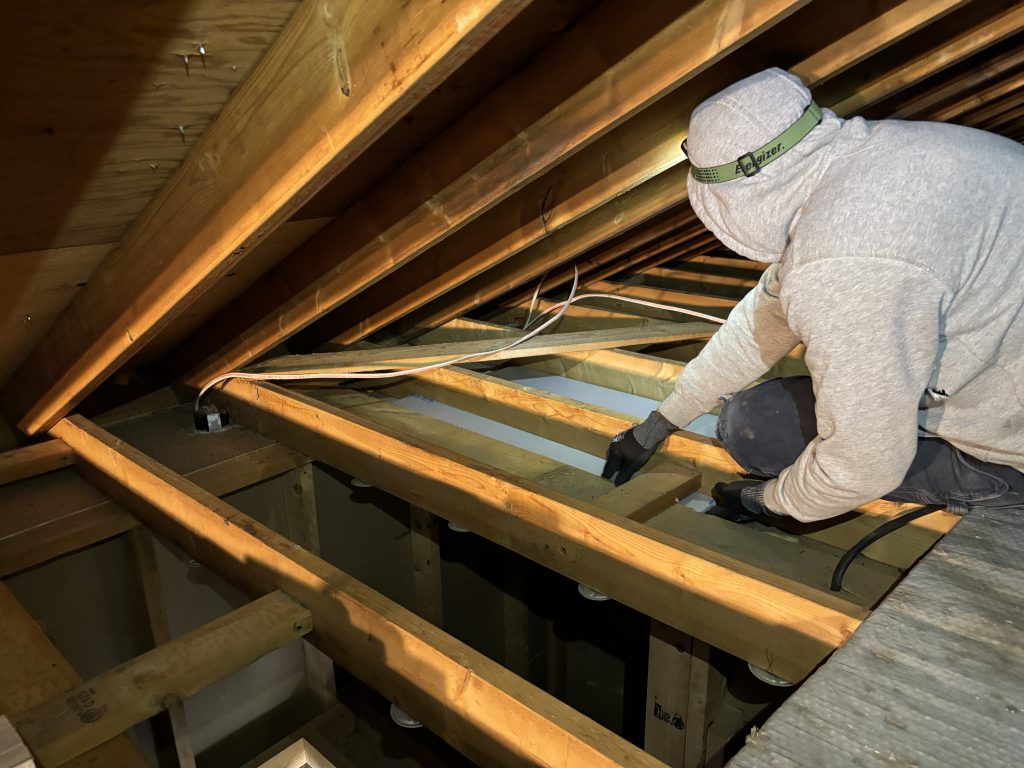
How Professional Insulation Services Can Help
While DIY methods can make an impact, professional insulation offers comprehensive solutions tailored to your home. Working with experts ensures:
- Targeted improvements based on an energy audit.
- Air sealing and insulation installed correctly to maximize efficiency.
- Savings that compound over time, making the investment worthwhile.
- Year-round comfort, not just in winter but during Vermont’s humid summers as well.
By sealing leaks and adding insulation where it matters most, you’ll see lower bills and a more comfortable home environment.
Turn Energy Savings Into Year-Round Comfort
Lowering heating bills is not just about saving money. It’s about creating a healthier, more efficient home that supports your lifestyle year-round. From simple habits to full-scale insulation projects, every step brings you closer to a house that feels warmer, runs more efficiently, and costs less to maintain.
If you’ve been struggling with high energy bills or drafty rooms, now is the perfect time to take action. Small adjustments can start making a difference today, while professional insulation ensures lasting comfort for years to come.
Ready to make your Vermont home warmer and more efficient? Contact Farnum Insulators today and take the first step toward lower heating bills.
FAQs
What uses the most energy in a house?
Heating (and cooling) typically consumes the largest share of a home’s energy use, especially in Vermont’s cold climate. Leaky walls, poorly insulated attics, and drafts can amplify that energy loss. Farnum’s focus on sealing and insulating problem areas helps slash the wasted energy that would otherwise keep your furnace running longer.
Why am I paying so much for heating?
High heating bills usually come down to a few culprits: inadequate insulation, air leaks, and inefficient thermal barriers. If your attic, walls, or basement aren’t properly sealed, heat escapes and your system works overtime to maintain comfort. Solutions such as dense-packed cellulose or spray foam aim to close those gaps and reduce the burden on your heating system.
What’s the most effective long-term solution?
In many Vermont homes, upgrading insulation, especially in the attic, walls, and basement, is the best long-term fix. For example, spray foam (with its air-sealing and high R-value per inch) can dramatically improve thermal performance, while dense-packed cellulose offers a cost-effective, eco-friendly alternative.
How to reduce heating costs in VT without spending much?
You don’t always need a major renovation to make a dent in your bills. Start with simple steps: seal drafts around windows and doors, add weatherstripping, install interior window inserts, and ensure your attic hatch is insulated. Farnum even offers diagnostic testing to pinpoint the worst leaky spots so you can invest smartly.