
If you live in Vermont and your upstairs feels uncomfortably warm while the downstairs stays chilly, you’re not imagining it, and you’re certainly not alone. This hot upstairs, cold downstairs issue is a hallmark of New England living, especially during our long, sub-zero winters.
Many homeowners find themselves in a constant “thermostat war,” cranking up the heat to thaw out the living room, only to find the master bedroom feels like a sauna an hour later. Understanding why it is hot upstairs and cold downstairs is the first step toward moving past temporary fixes and achieving the true, barefoot-in-winter comfort your home is capable of.
Why Is It Hot Upstairs and Cold Downstairs in Winter?
In many Vermont homes, the uneven temperature isn’t a problem with your furnace; it’s a problem with physics. Because heat naturally rises, your home acts like a giant chimney. If the “envelope” of your house isn’t sealed correctly, that expensive warmth you’re paying for doesn’t stay where you need it.
Common contributors to this imbalance include:
- The Stack Effect: The process of warm air pulling upward and out through the roof.
- Air Infiltration: Cold outdoor air sneaking into your lower levels through the basement.
- Thermal Bypass: Heat escaping through the attic faster than your insulation can keep it from escaping.
- Uneven Distribution: Forced air systems are struggling to push heat down while physics is pulling it up.
Why Is My Second Floor So Hot in the Winter?
It feels counterintuitive: it’s 10°F outside, yet you’re tempted to crack a window in the bedroom. So you might be wondering: why is my second floor so hot in the winter? Upstairs rooms tend to trap rising heat, acting as a collection point for all the warmth escaping the first floor. If your attic isn’t properly “capped” with the right insulation and air sealing, that heat builds up against the ceiling, creating a stuffy, stagnant environment.
Typical signs your home is struggling:
- Bedrooms that feel “stuffy” or “heavy” at night.
- The thermostat is set lower than you’d like, yet the downstairs is still drafty.
- The Roof Test: Snow melting quickly or unevenly on your roof, or forming dangerous ice dams.
The Stack Effect and Vermont Homes
The “Stack Effect” is the primary reason the second floor gets too warm. As heated air rises, it creates a pressure imbalance. It pushes out through the top of the house (the attic) and simultaneously pulls freezing air in through the bottom (the basement). In Vermont, this is magnified by:
- Extreme Temperature Spreads: The bigger the difference between inside and outside, the faster the “stack” moves.
- Historic Architecture: Older VT homes often have “balloon framing” or unsealed bypasses that act as internal highways for heat loss.
How to Keep Heat Downstairs in Winter
If you’re wondering how to keep heat downstairs in winter, the answer isn’t a bigger heater; it’s better control. Improving comfort means slowing down the movement of heat and sealing off the “highways” that allow air to travel between floors. By creating a tighter seal, you force the heat to linger in your living spaces rather than rushing toward the ceiling.
Practical Ways to Improve Balance
✔️ Seal Attic Air Leaks: Stop the “chimney” from venting your warmth.
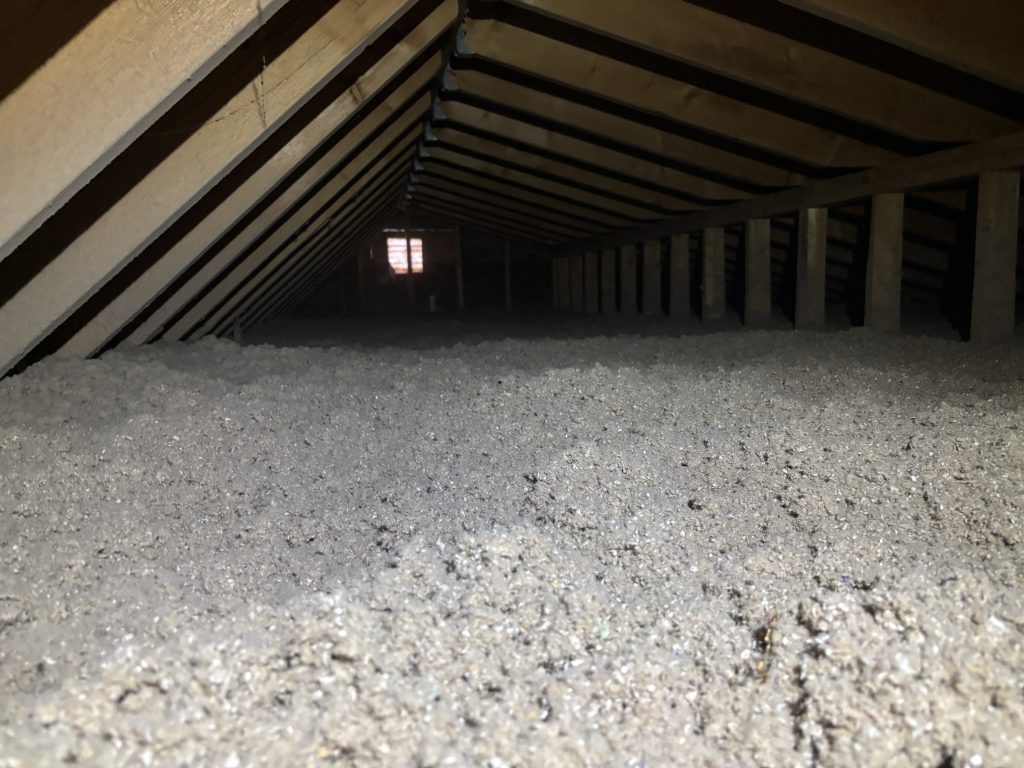
✔️ Upgrade Attic Cellulose: Achieve the proper R-values to keep the “hat” on your home.
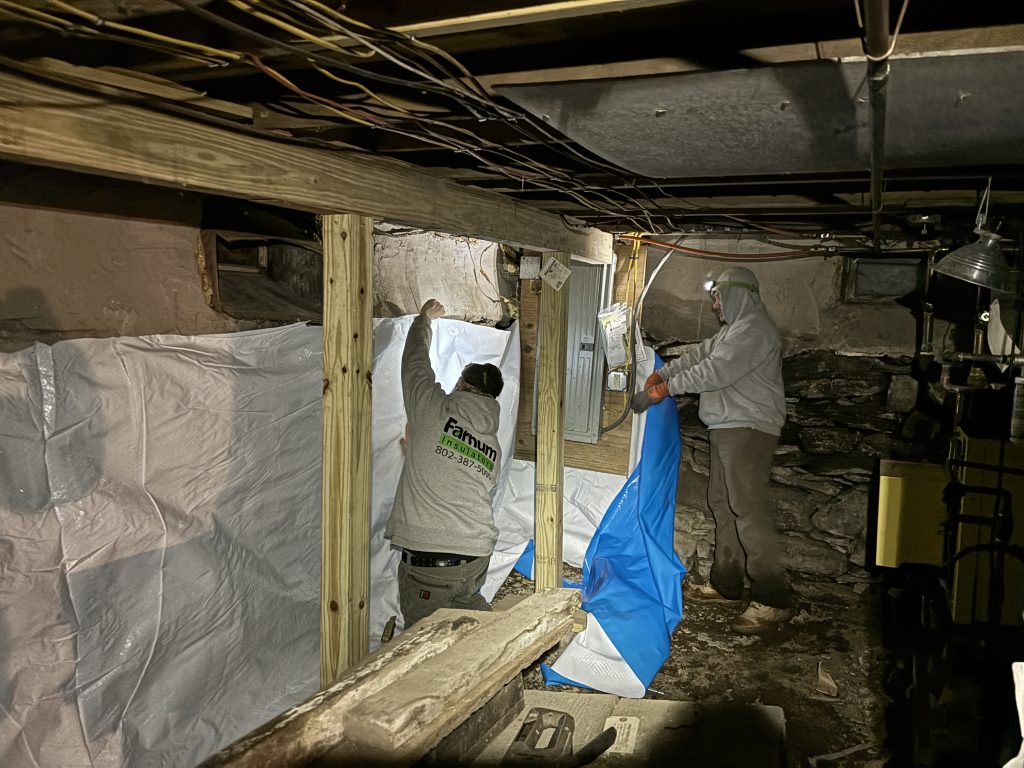
✔️ Insulate Rim Joists: Stop the “boots” of your home from letting in basement drafts.
✔️ Building Envelope Performance: A holistic approach that ensures you aren’t just adding “stuffing,” but truly sealing the home.
Insulation and Air Leaks That Disrupt Comfort
In many Vermont homes, the temperature gap is less about the HVAC system and more about the building envelope. You can’t see the difference between a leaky home and a sealed one, but you can certainly feel it. When insulation is thin or missing, heat moves too easily, leaving the first floor feeling like an icebox.
What’s happening behind the scenes
- Insulation slows heat movement: Think of it as a thermal blanket. If it’s inconsistent, some rooms hold warmth while others lose it immediately.
- Air leaks create pressure changes: As warm air exits through the attic, it creates a vacuum that sucks in cold air at the lowest points of your home. This is why the first floor stays chilly no matter how high you crank the heat.
The most common problem areas
- Attic Floors and Knee Walls: These are often the biggest weak points. If the “hat” of your home is leaky, the heat escapes, making the upstairs stuffy while the downstairs stays cold.
- Attic Hatches: Even a small gap around an attic door can leak as much air as an open window.
- Rim Joists and Basements: This is where the “boots” come in. If your rim joists are unsealed, cold air creeps onto the first floor, keeping your feet freezing all winter long.
- Wall cavities with settled or missing insulation: In older homes, insulation can settle over time, leaving empty spaces at the top of wall cavities. This makes exterior walls feel colder and increases drafts, especially downstairs. It also makes temperature control less predictable from room to room.
How Heat Escapes and Cold Air Moves In
Understanding the airflow helps identify why your comfort is compromised. When the “stack” is active, your home is in a constant state of tug-of-war with the Vermont winter.
| Issue | What Happens | Result Inside the Home |
| Poor attic insulation | Heat escapes upward | Upstairs overheats/Stuffy rooms |
| Air leaks on lower floors | Cold air enters | Downstairs feels drafty and chilly |
| Inadequate air sealing | Pressure imbalance | “Ice block” floors and uneven temps |
| Older insulation materials | Reduced thermal resistance | Higher fuel bills and constant furnace cycling |
Why Insulation Is Often the Missing Piece
When a home is hot upstairs and cold downstairs, the heating system is usually the first to get blamed. However, the real culprit is usually a failure to evenly hold that heat. Insulation is the thermal barrier that dictates the “speed” of heat loss. When it’s poorly installed or settled, the heat moves faster than your thermostat can keep up, leading to that frustrating floor-to-floor temperature split.
What improves when insulation and air sealing are done right
- Temperatures feel consistent from the kitchen to the bedroom.
- Downstairs drafts are virtually eliminated.
- The “barefoot test”: Floors feel warm enough to walk on without slippers.
- The home stays cozy without the furnace running 24/7.
When a Whole-Home Approach Makes the Difference
Solving the hot upstairs, cold downstairs in VT struggle requires looking at your house as a connected system. At Farnum Insulators, we don’t just “patch” a room; we address the root cause of the imbalance by air sealing and insulating the entire envelope. By managing how air, heat, and moisture move through your home, we create a space that feels consistent, livable, and truly comfortable; even in the heart of a Vermont winter.
Ready to feel the difference? Schedule your Efficiency Vermont-certified home assessment with Farnum Insulators today!
FAQs
Does this problem get worse in older Vermont homes?
Yes. Many older VT homes were built before modern air-sealing standards existed. Over time, original insulation can settle or degrade, leaving large gaps in your “thermal envelope.” This allows the stack effect to work much more aggressively than it would in a modern, sealed home.
Why is my downstairs cold but upstairs hot?
It comes down to the “Stack Effect.” Your home is acting like a chimney: warm air is lighter and rises to the top, while the vacuum it creates pulls cold, heavy air into the bottom of the house. Without proper attic sealing (the hat) and basement insulation (the boots), this cycle never stops.
How to fix the uneven temperature in my house?
The most effective fix is a combination of professional air sealing and high-R-value insulation (such as cellulose in attics and spray foam in rim joists). By stopping the air leaks first, you allow the insulation to actually do its job of slowing down heat transfer, resulting in a balanced, comfortable temperature on every floor.