
New England homeowners often wonder when insulation upgrades deliver the strongest impact. Seasonal weather patterns, contractor availability, and the way homes respond to temperature shifts all affect the timing.
Fall and winter are the most effective periods for improving comfort, reducing energy loss, and preparing for the long months of changing conditions. Understanding why can help you plan a project that benefits your home immediately and year-round.
How Cooler Weather Creates Ideal Conditions for Insulation Work
Fall naturally provides the conditions that make insulation more effective and easier to install. Temperatures are steady, the air is drier, and crews can work efficiently before the deep cold arrives. This timing also helps homeowners feel improvements right as the heating season begins.
- Consistent outdoor temperatures support stable insulation performance
- Smoother scheduling before winter demand increases
- Comfort boosts begin right as the cold sets in
- Crews work comfortably and efficiently in mild weather
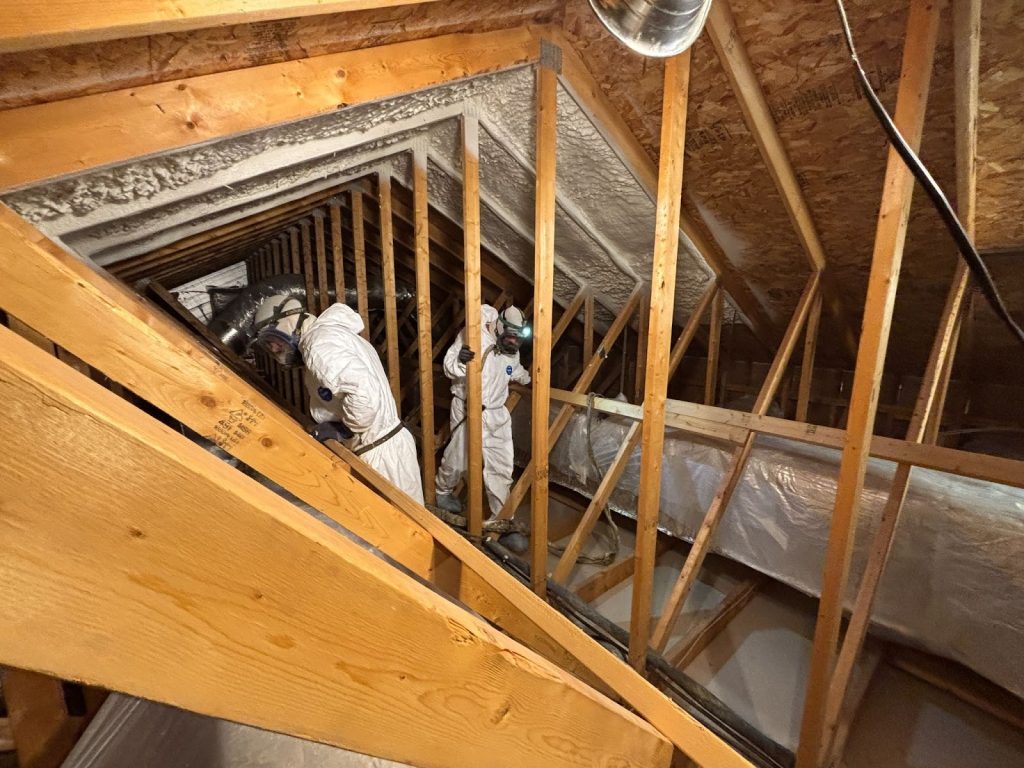
Why Winter Makes Insulation Needs More Obvious
Winter reveals exactly where a home is losing heat, making it easier for experts to target the areas that need attention. Homeowners often notice immediate improvements after upgrades since insulation reduces drafts and stabilizes indoor temperature during the months when heating systems work the hardest.
- Cold spots and drafts become easy to locate
- Improvements result in instant warmth and comfort
- Energy savings show up right away during peak usage
- Many insulation materials can still be installed safely in winter
How Each Season Affects Insulation Timing in New England
In New England, insulation projects aren’t one-size-fits-all. The time of year can influence everything from scheduling availability to how quickly you notice results. While insulation improvements can be made year-round, each season offers unique advantages depending on your goals, the areas of your home being addressed, and how urgently you want to improve comfort and efficiency.
The breakdown below offers a practical look at how fall, winter, spring, and summer affect insulation performance, scheduling, and the overall homeowner experience in New England.
| Season | Ideal For | Advantages |
| Fall | Planned upgrades | Consistent temperatures, smoother scheduling, prepares the home for winter |
| Winter | Identifying problem areas | Cold spots are easy to detect, instant comfort improvements, immediate energy savings |
| Spring | Longer term planning | Moderate weather, potential for off season availability, good time for full home assessments |
| Summer | Attic and ventilation focused work | Dry conditions, easy attic access, issues like heat gain and poor airflow are easier to spot |
Why Some Homes Should Not Wait Until Spring or Summer
For many New England homes, the transition into colder weather reveals issues that are easier to address during fall or winter. When these signs start to appear, delaying insulation work until warmer months can reduce effectiveness and lead to higher energy loss.
✔️ Rooms feel drafty or inconsistent in temperature
✔️ Heating bills rise faster than expected
✔️ Ice dams form along the roofline
✔️ Floors or walls stay noticeably cold
✔️ Insulation looks worn, thin or compressed
While spring and summer remain valid times for insulation upgrades, homeowners often lose the seasonal advantages that fall and winter provide. Comfort problems become harder to detect, contractor schedules may fill quickly and energy performance issues are less obvious once temperatures rise.
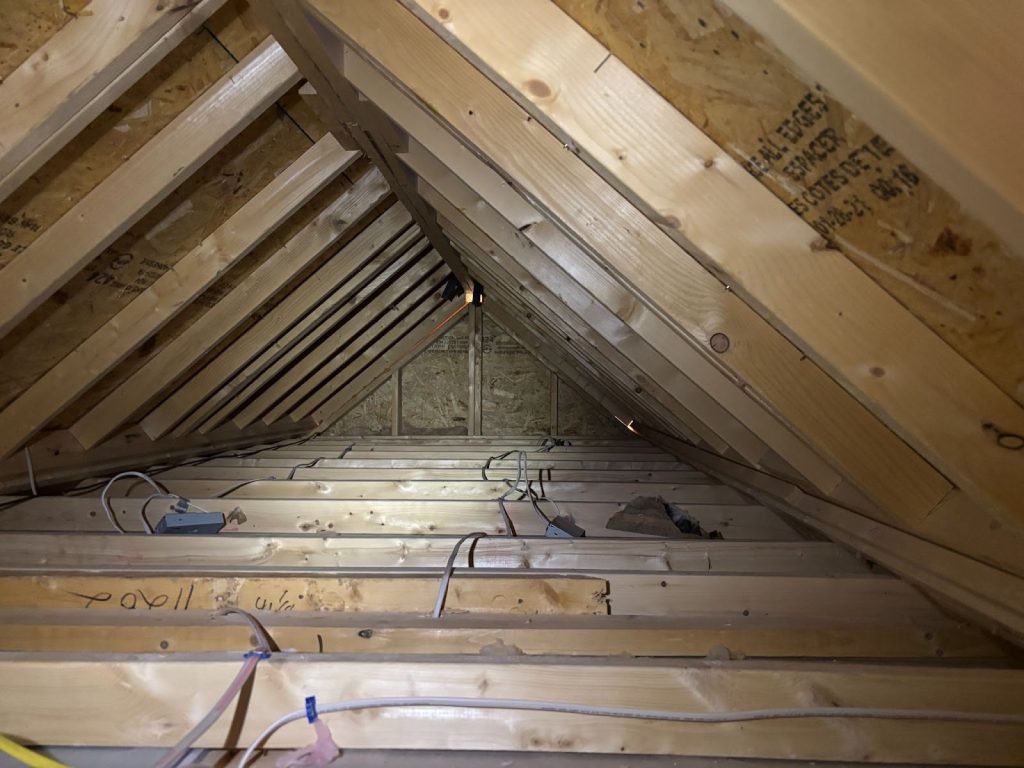
Key Areas to Prioritize When Insulating Your Home
Certain parts of the home have a bigger impact on energy loss and are worth addressing first, especially in colder seasons. Targeting these areas during fall or winter helps maximize the immediate benefits of new insulation.
Attic and roofline
The attic is one of the largest sources of heat loss in a New England home, as warm air naturally rises and escapes through poorly insulated rooflines. Improving attic insulation helps prevent heat from leaving during winter and reduces heat gain during summer.
Addressing this area often delivers the most noticeable improvements in comfort and energy efficiency, making it a top priority for homeowners looking for fast, effective results.
Basement or crawl space
Uninsulated basements and crawl spaces allow cold air to seep into the home, leading to chilly floors and uneven temperatures throughout the living space.
Proper insulation in these areas helps stabilize lower-level temperatures, reduces moisture-related issues, and improves overall comfort. In colder months, insulating basements and crawl spaces can significantly cut down on drafts and heat loss from below.
Walls and rim joists
Walls and rim joists play a critical role in maintaining consistent indoor temperatures. Gaps, voids, or aging insulation in these areas can cause drafts, cold spots, and higher energy bills. Upgrading insulation here helps seal the building envelope, improving thermal performance and reducing the workload on heating systems, especially during harsh New England winters.
Garage or adjoining spaces
Attached garages and adjoining spaces are often overlooked but can be a major source of cold air infiltration. Insulating shared walls and ceilings helps prevent cold air from migrating into living areas, keeping indoor temperatures more stable.
This is especially important for homes with bedrooms or living spaces above or next to the garage, where temperature swings are most noticeable.
Identifying these areas with a seasonal assessment ensures insulation is installed where it will make the biggest difference.
A Smart Approach to Insulating Your New England Home
Choosing the right season for an insulation upgrade can make a meaningful difference in comfort, energy savings and long term home performance. Fall and winter give New England homeowners the clearest insights into where heat is escaping and provide the conditions that help insulation work at its best. By addressing issues during these seasons, you set your home up for more stable temperatures and stronger protection against harsh weather.
If you are considering an insulation project, this is the ideal time to take action. Farnum Insulators can evaluate your home, recommend the right materials and guide you through a smooth, efficient installation.
Schedule your assessment today and start creating a warmer, more efficient home for the seasons ahead.
FAQs
Does insulation help more in summer or winter?
Insulation helps year-round, but many homeowners notice the biggest impact in winter when heat loss is most obvious. Proper insulation keeps warm air inside during cold months and helps block heat gain in summer, reducing strain on both heating and cooling systems. In New England, effective insulation plays a key role in maintaining comfort through extreme seasonal temperature swings.
Should I replace 20 year old insulation?
In many cases, yes. Insulation that’s 20 years old may be compressed, moisture-damaged, or no longer meeting current efficiency standards. Older materials often underperform compared to modern insulation options, leading to higher energy bills and uneven temperatures. A professional assessment can determine whether replacement or upgrades will provide meaningful comfort and energy savings.
When is the best time to insulate the attic?
Fall is often ideal for attic insulation in New England, as moderate temperatures allow for smooth installation and prepare the home for winter heat loss. That said, attic insulation can be installed any time of year, and winter installations can be especially effective when addressing noticeable cold spots or high heating costs.