
Why Insulating Your Basement Is Essential
We’ve seen it time and time again — basements that feel damp, drafty, and just plain uncomfortable. It’s usually not the foundation’s fault — it’s the insulation. Or rather, the lack of it. Proper basement insulation can make a world of difference in how your home feels day to day. It helps keep the moisture out, the comfort in, and turns your basement from a chilly storage zone into a cozy, usable space.

Common Challenges in Basement Insulation
- Humidity & Moisture: Basements are prone to dampness, which can lead to mold growth and structural damage.
- Cold Air Infiltration: Poor insulation allows frigid air to enter, making floors above uncomfortably cold.
- Material Selection: Not all insulation materials work well in basement environments.
Several insulation options exist for basements, including spray foam, rigid foam, fiberglass batts, mineral wool, and radiant barriers. Each has pros and cons, which we’ll explore to help you choose the best option.
💡You could also be interested in reading: How to Improve Energy Efficiency at Home
Basement Insulation by Area: All You Need to Know
Basement Walls Insulation
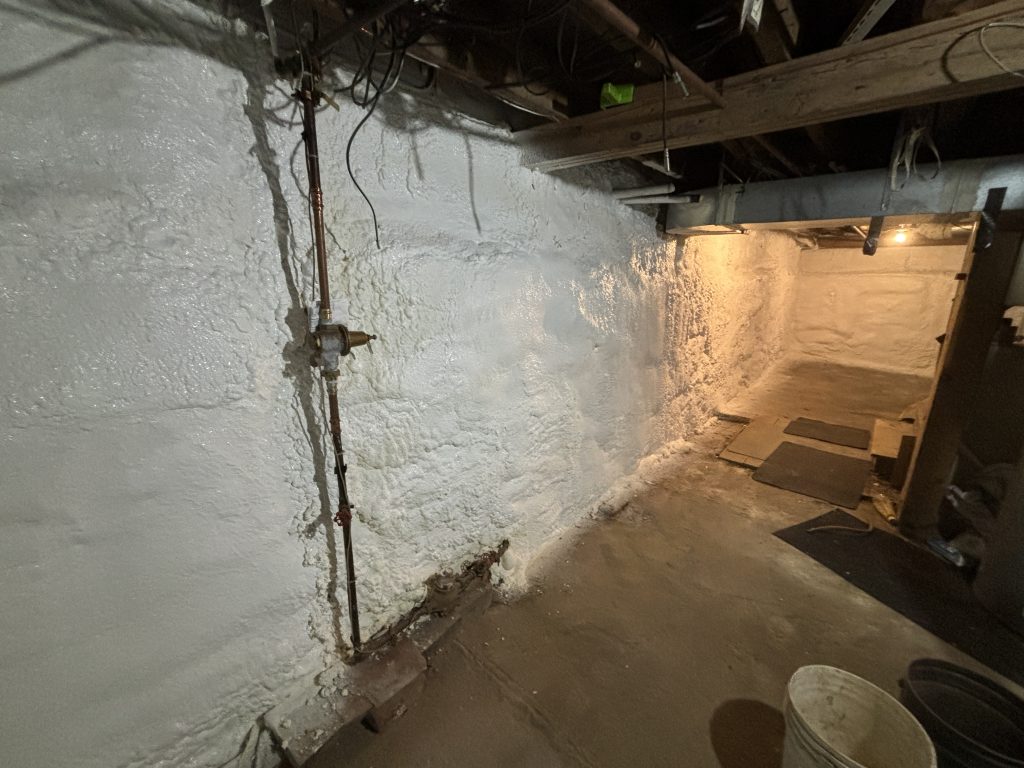
The walls are the most crucial part of basement insulation, as they are in direct contact with the cold, damp earth.
- Best Insulation Materials: Spray foam and rigid foam boards provide excellent thermal protection and moisture resistance.
- Moisture Barriers: Using vapor barriers or closed-cell spray foam can prevent moisture infiltration, reducing the risk of mold.
Basement Ceiling Insulation
Ceiling insulation is beneficial in some situations but unnecessary in others.
- When to Insulate the Ceiling: If using the basement as a separate living space, insulating the ceiling can help with soundproofing.
- Best Options: Spray foam or fiberglass batts for thermal insulation; mineral wool for noise reduction.
Basement Floor Insulation
Cold basement floors can make the entire space uncomfortable.
- Preventing Cold Floors & Moisture Issues: A proper insulation layer prevents heat loss and stops moisture from seeping up.
- Best Methods: Rigid foam insulation topped with insulated subfloor panels works best.
Rim Joists Insulation
Rim joists are often overlooked, yet they are a common weak spot for heat loss.
- Best Practices: Spray foam is the most effective way to seal rim joists, preventing air leaks and moisture problems.
Basement Insulation Types – What Works Best?
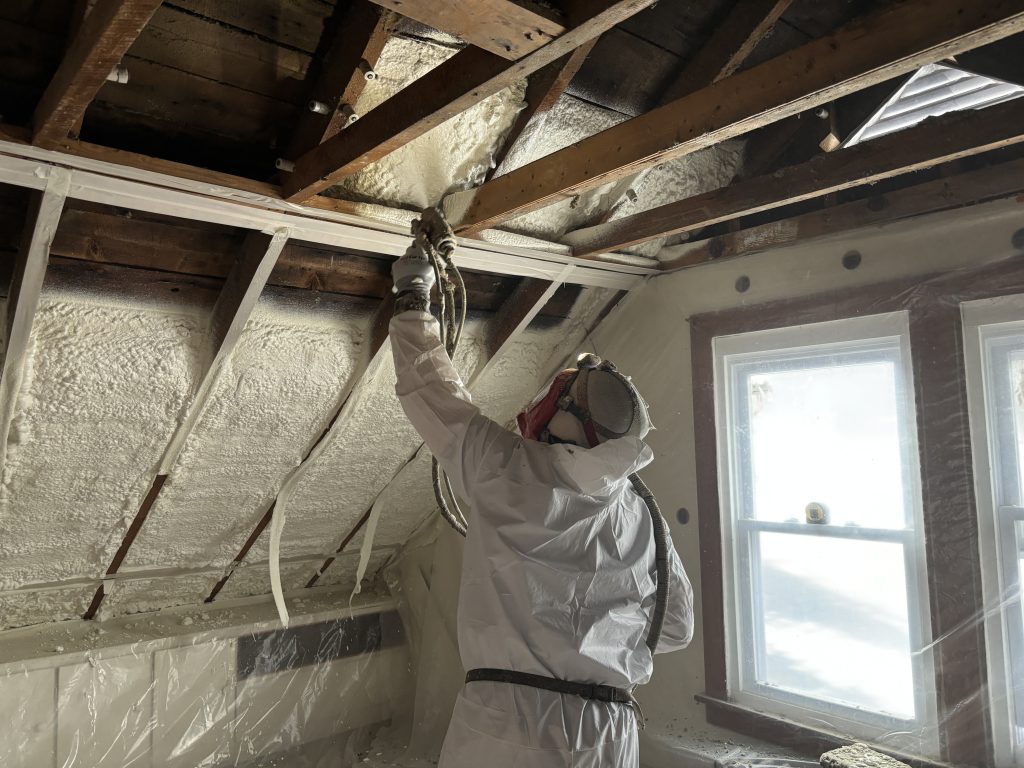
Spray Foam Insulation (Best Overall)
- Pros: Provides superior thermal protection, acts as a vapor barrier, prevents air leaks. There are many more spray foam insulation advantages.
- Cons: Higher cost, requires professional installation.
- Choose it if: You want the best moisture resistance, energy efficiency, and long-term durability.
Learn more about spray foam insulation.
Fiberglass Batt Insulation
- Pros: Affordable, widely available, DIY-friendly.
- Cons: Poor moisture resistance, prone to mold and sagging.
- Choose it if: Budget constraints are a priority, and moisture issues are minimal.

Rigid Foam Board Insulation
- Pros: Good moisture resistance, high R-value, durable.
- Cons: Needs careful sealing to prevent air leaks.
- Choose it if: You want a solid, DIY-friendly option that performs well against moisture.
Mineral Wool (Rock Wool) Insulation
- Pros: Fire-resistant, excellent soundproofing, moisture-resistant.
- Cons: More expensive than fiberglass, does not act as a vapor barrier.
- Choose it if: You prioritize fire safety and soundproofing in your basement.
Reflective/Radiant Barrier Insulation
- Pros: Effective in hot climates, helps with radiant heat.
- Cons: Not suitable as primary insulation in cold climates.
- Choose it if: You want supplemental insulation in combination with other materials.
How to Choose the Best Basement Insulation in New England
New England’s climate presents unique challenges for basement insulation. Harsh winters, humid summers, and fluctuating temperatures require insulation that balances thermal efficiency, moisture resistance, and long-term durability.

Moisture Control: Vapor Barriers & Waterproofing
New England and Vermont are famous for their high humidity levels in summer and freeze-thaw cycles in winter, making moisture control essential. Basements are prone to condensation and water intrusion from snowmelt, requiring proper vapor barriers and drainage solutions. A moist and cold basement is actually one of the many signs of poor insulation.
Best approach: Spray foam insulation, combined with waterproofing, prevents mold and moisture damage better than fiberglass batts.
Recommended R-Values for New England Basements
- Basement walls: R-10 to R-15 (or higher if using rigid foam)
- Basement floors: R-5 to R-10 (if insulating)
- Ceiling insulation: R-30 to R-49 (if separating basement from upper living space)
Energy Rebates Available
Many New England states offer insulation rebates or tax incentives—check Mass Save, NH Saves, Efficiency Vermont, and similar programs.
More about Efficiency Vermont.
DIY vs. Professional Installation: What’s Best for New England Homes?
DIY-Friendly Options (But With Limitations)
- Fiberglass batts: Easy to install but not ideal for basement walls due to moisture retention and mold risks.
- Rigid foam panels: A better DIY option but requires careful sealing to prevent air leaks.
Why Some Insulation Is Best Left to Professionals
- Spray Foam Insulation: Requires specialized equipment and expertise to apply correctly.
- Vapor Barriers & Moisture Control: Incorrect installation can trap moisture, leading to mold and structural damage.
- Building Codes & Energy Efficiency: A professional ensures compliance while maximizing energy savings.
The Hidden Costs of DIY Mistakes
- Air leaks & drafts: Poorly sealed insulation increases heating costs.
- Mold & moisture damage: DIYers often underestimate moisture control, leading to expensive remediation.
- Shorter lifespan: A properly installed insulation system lasts decades—cutting corners now could mean replacing insulation sooner than expected.
Final Verdict: Call a Pro for Long-Term Savings & Comfort
For the best results, professional basement insulation is the way to go. Farnum Insulators has the expertise and tools to ensure your basement stays warm, dry, and energy-efficient for years to come. Contact local NH and VT experts today to schedule a consultation and take the first step toward a better-insulated home!
FAQs
What type of insulation should I use in a basement?
Spray foam is the best overall choice due to its moisture resistance, high R-value, and air-sealing capabilities.
What R rating should basement insulation be?
Basement walls should have an R-value between R-10 and R-15, floors R-5 to R-10, and ceilings R-30 to R-49 if separating living spaces.
What is the cheapest way to insulate a basement?
Fiberglass batts are the most affordable option, but they lack moisture resistance and long-term durability.
How thick should basement insulation be?
Thickness depends on the insulation type and R-value requirements. Spray foam typically needs 2-3 inches for adequate performance.
Does basement insulation need a vapor barrier?
Yes, especially in humid regions. Spray foam naturally acts as a vapor barrier, while fiberglass and rigid foam may require additional barriers.
Can I use fiberglass insulation in a basement?
It’s not recommended for walls due to moisture issues, but it can work in basement ceilings if properly protected.
Is rock wool better than fiberglass?
Yes. Rock wool is more fire-resistant, moisture-resistant, and provides better soundproofing than fiberglass.