
Many homeowners are drawn to DIY insulation for its perceived cost savings. But when it comes to spray foam, there’s more at stake than just your wallet. Learn the pros, cons, and real risks of DIY foam insulation, and why hiring a pro may actually save you money (and a headache).
What Is Spray Foam Insulation and How Does It Work?
Spray foam insulation is a powerful material used to seal gaps and insulate homes, known for its high R-value and air-sealing properties. There are two types: open-cell, which is softer, more flexible, and great for soundproofing, and closed-cell, which is denser, moisture-resistant, and provides higher thermal resistance.
What makes spray foam so effective is its ability to expand and fill every crack and crevice, creating a near-perfect air barrier. This helps control heat loss, reduce energy bills, and prevent moisture intrusion. However, for these benefits to be fully realized, precise application is key, and that’s where many DIY projects fall short.
Can You Apply It Yourself?
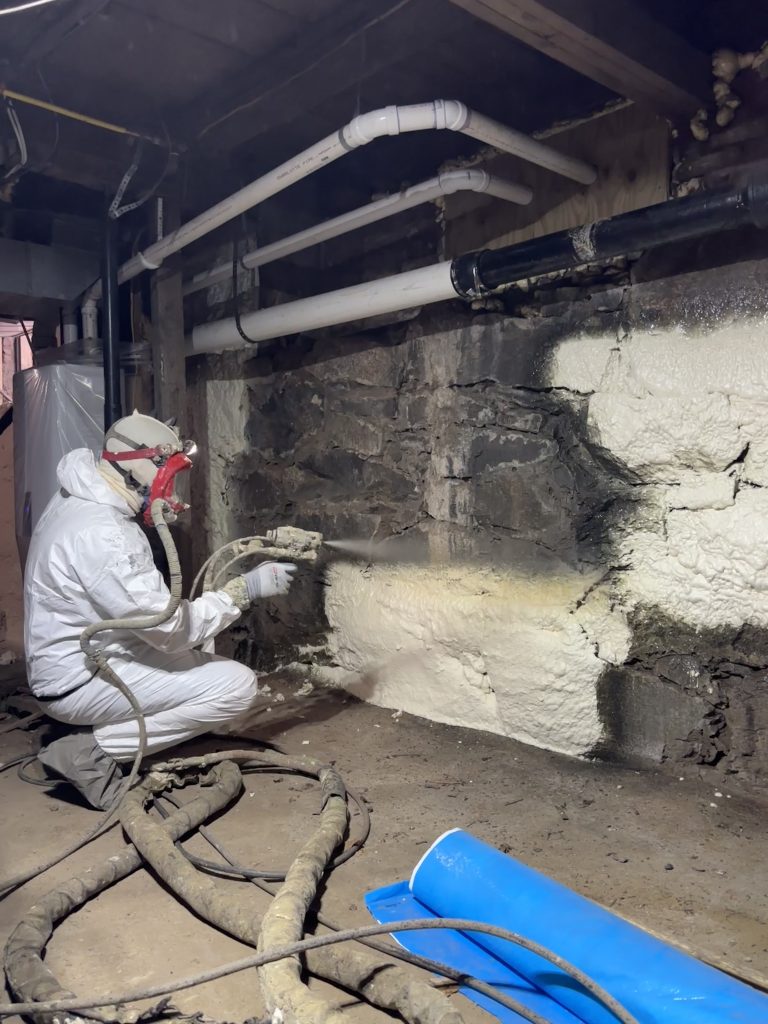
Yes, technically, but it’s not recommended. There are spray foam kits available for DIY use, and you’ll find plenty of online tutorials showing how to do spray foam insulation yourself. But the process is more complex (and riskier) than it looks.
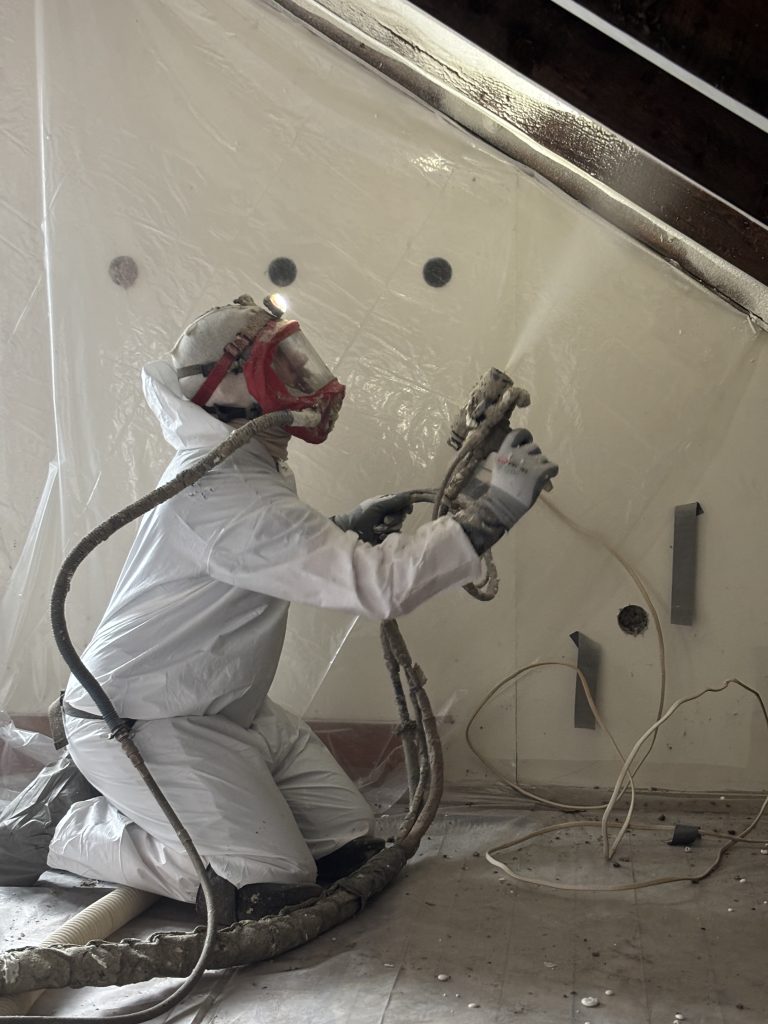
Spray foam application requires full PPE (personal protective equipment), proper ventilation, and careful handling of chemicals. Mistakes are easy to make and can lead to overspray on electrical wiring, framing, or plumbing. Worse, applying spray foam incorrectly can trap moisture inside walls, potentially leading to rot, mold growth, or structural damage.
DIY Spray Foam vs. Professional Installation: Cost, Risk, and Results
While a DIY kit may look like a bargain up front, the long-term value often doesn’t hold up. Here’s a breakdown of how DIY compares to professional installation:
| Factor | DIY Spray Foam | Professional Installation |
| Upfront Cost | Lower (kits start ~$300) | Higher (varies by sq. ft. & type) |
| R-Value & Coverage | Inconsistent without training | Optimized for max efficiency |
| Air Sealing | Risk of gaps, overspray, or voids | Comprehensive, with blower door testing |
| Safety Concerns | High (chemical exposure, fire risk) | Licensed, trained, and insured |
| Long-Term Value | Potential failure = $$$ in fixes | Guaranteed performance, fewer callbacks |
| Time & Hassle | Time-intensive & messy | Turnkey, done right the first time |
How Much Does It Cost to Spray Foam Insulation Yourself?
DIY spray foam insulation kits typically range from $300 to $800, depending on the brand and square footage. These kits can be fine for very small areas, but the actual cost often goes beyond the kit itself.
You’ll need to factor in cleanup materials, PPE, and possibly reapplication if things go wrong. In worst-case scenarios, removing improperly installed foam, dealing with moisture issues, or correcting air gaps can add hundreds or even thousands of dollars to your final cost.
5 Common DIY Spray Foam Mistakes
1. Inadequate prep & ventilation
Lack of airflow and proper site prep can lead to poor adhesion, health risks, and lingering odors.
2. Applying too thickly or unevenly
Over-application can cause foam to cure improperly, leading to cracking or shrinkage.
3. Sealing in moisture and causing rot
Without proper moisture checks, foam can trap water inside walls, encouraging rot and mold.
4. Triggering issues with electrical or plumbing
Unintentional contact with wiring or pipes can cause fire hazards or code violations.
5. Using the wrong type of spray foam for the job
Open-cell in places needing moisture resistance, or closed-cell in areas needing flexibility, can cause long-term issues.
When DIY Might Work and When It Absolutely Won’t
Possibly okay for:
Very small gaps or patch jobs in a garage or shed
If you’re sealing minor cracks in a non-living space where moisture and ventilation aren’t concerns, a DIY kit might be sufficient.
Never okay for:
Attics, crawl spaces, rim joists, full walls
These areas demand precise sealing, insulation codes, and often require fire- or moisture-resistant materials.
Anywhere moisture control or building code compliance matters
Spray foam done wrong in these areas can lead to costly damage, failed inspections, or even health hazards.
Final Verdict: Should You Do Your Own Spray Foam Insulation?
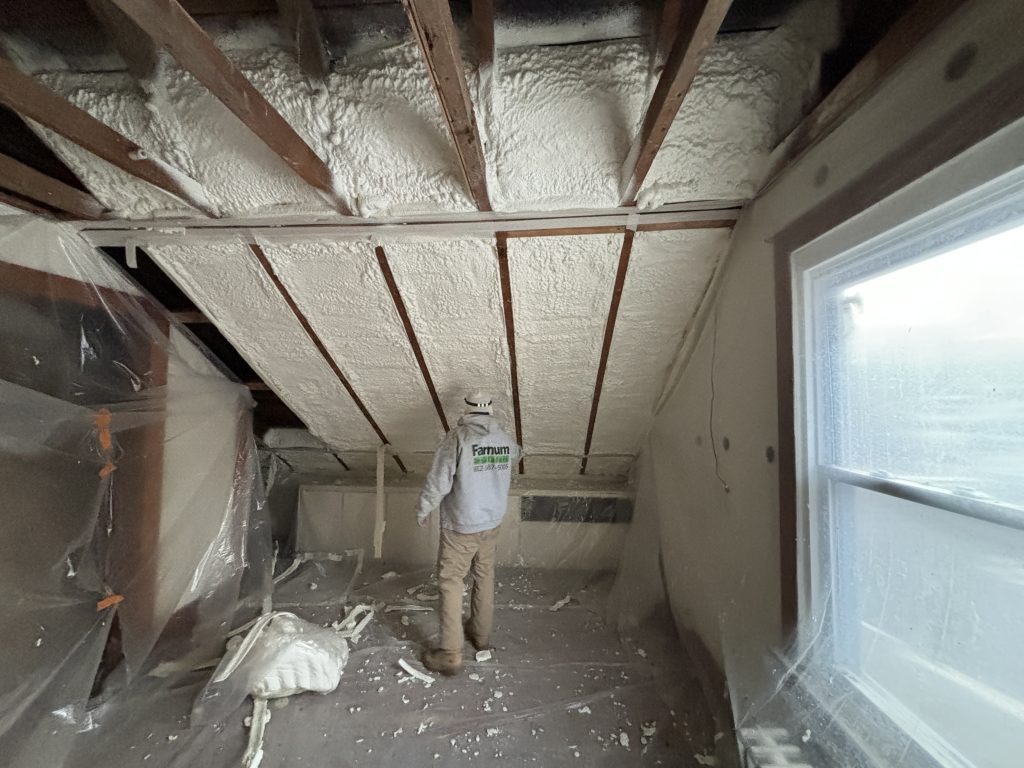
DIY might seem tempting, but the risks are high and the results are often poor. From chemical exposure to improper installation, even small mistakes can lead to major issues down the line. For lasting comfort, energy savings, and peace of mind, your best bet is hiring a local pro who knows how to do it right the first time.
Why Call Farnum Insulators for Spray Foam Installation?
When it comes to insulation, precision matters, and Farnum brings decades of experience installing spray foam in New England homes. We specialize in spray foam insulation in Vermont, where cold winters and older housing stock require expert solutions, as well as spray foam insulation in New Hampshire, where energy efficiency and building code compliance are top priorities. No matter the project, our team delivers high-performance results tailored to your home’s unique needs.
Here’s why homeowners across Vermont and New Hampshire trust our team:
Local Expertise
We understand the unique climate, building styles, and code requirements in this region. Whether you’re insulating a historic farmhouse or a modern build, we tailor solutions to your home’s exact needs.
Whole-Home Approach
We go beyond just spraying foam. Our team evaluates your attic, crawl space, or basement for air leaks, moisture risks, and ventilation to ensure a comprehensive, long-lasting solution.
Top-Tier Products & Equipment
Farnum uses professional-grade spray foam that’s safer, more durable, and higher performing than most DIY kits.
Certified & Insured Installers
Safety is our priority. We’re trained, licensed, and insured, so you don’t have to worry about costly mistakes or health risks.
Energy Savings Guaranteed
Our work is backed by performance. Properly installed spray foam can cut energy bills by up to 30%, and we help you see that return.
FAQs
How much money do you really save by doing spray foam insulation yourself?
While DIY may save on upfront costs, mistakes and inefficiencies often result in expensive repairs. In many cases, professional installation provides better long-term value.
Is spray foam insulation dangerous to apply on your own?
Yes. DIY spray foam involves handling chemicals that can cause respiratory issues, skin irritation, and fire hazards without proper safety gear and ventilation.
What’s the difference between DIY kits and professional-grade spray foam?
DIY kits are lower in quality and consistency. Professional-grade foam offers higher R-values, better adhesion, and fewer issues with shrinkage or off-gassing.
How long does spray foam insulation last when installed correctly?
Properly installed spray foam insulation can last 30 years or more, maintaining performance with minimal degradation over time.
Can you rent a spray foam machine?
While some equipment rental companies offer spray foam rigs, they’re often intended for trained professionals. Without proper training, rental use is risky and not recommended for homeowners.