
New England winters are no joke—and if you live in New Hampshire or Vermont, choosing the best insulation for a house isn’t just about comfort; it’s about survival (and savings). With freezing temps, moisture issues, and old home construction, not all insulation types are created equal. So, what is the best house insulation for New England homes?
At Farnum Insulators, we’re local experts with over 20 years of experience. In this guide, we break down all the details to help you make the best choice for your home insulation—whether you’re insulating an attic, a basement, or the entire house. We’ll help you find the best insulation for your New England home, from spray foam to cellulose and other energy-efficient options.
Why Insulation Matters in New England
Cold Winters and High Heating Costs
New England’s freezing winters cause significant heat loss in poorly insulated homes, driving up energy bills. Heating can account for up to 60% of a home’s energy costs here.
Unique Challenges — Snow, Ice, and Moisture
Ice dams, heavy snow, and freeze/thaw cycles are tough on homes. Proper insulation helps prevent moisture buildup, mold, and structural damage.
One-Size-Fits-All Doesn’t Work in NH & VT
Insulation for warmer climates doesn’t work in New England. Homes in NH and VT need insulation that handles cold, air leaks, and moisture year-round.
Old Homes Often Lack Proper Insulation
Many older homes lack modern insulation, leading to energy loss. Retrofitting with materials like blown-in cellulose or spray foam can improve comfort and efficiency.
Key Factors to Consider When Choosing Insulation in New England
- R-Value Recommendations by Zone (Zone 5 & 6)
New England falls into climate zones 5 and 6, where attic insulation should reach R-49 to R-60, and walls should be at least R-13 to R-21. Choosing insulation with the right R-value ensures year-round comfort and energy savings.
- Moisture Control (Importance of Vapor Barriers)
Moisture is a constant threat in New England homes. The right insulation system must include vapor barriers or moisture-resistant materials, especially in basements, crawlspaces, and exterior walls to prevent mold and structural damage.
- Air Sealing & Insulation Combined
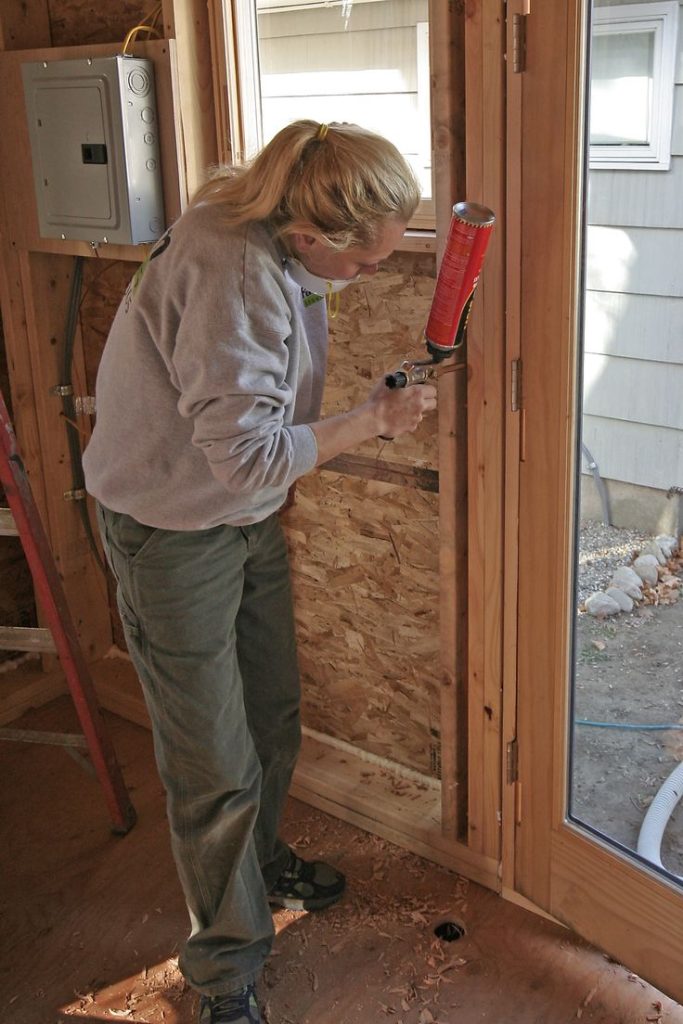
Insulation without proper air sealing leads to drafts and heat loss. Spray foam insulation excels by doing both—sealing gaps and insulating in one application, critical for achieving peak efficiency in NH & VT homes.
- Material Durability in Freeze/Thaw Environments
Repeated freeze/thaw cycles can degrade low-quality insulation. It’s essential to choose materials that remain effective over time and don’t settle, compress, or absorb moisture, especially in attics and basements.
- Rebates & Financing Options
In Vermont, we offer energy efficiency rebates and weatherization programs that can significantly offset the cost of upgrading your insulation. These incentives make high-performance options like spray foam and cellulose more affordable.
Best Types of Home Insulation (With Pros & Cons for NH/VT Houses)
Spray Foam Insulation
Spray foam is one of the most effective insulation options for homes in New England. It expands to seal every gap and crack, making it ideal for air sealing basements, attics, and crawl spaces. It also offers superior moisture resistance, reducing the risk of mold and ice dams.
 Best choice for energy efficiency and long-term performance in NH & VT homes.
Blown-In Cellulose Insulation
Blown-in cellulose is perfect for retrofitting older homes, which are common in Vermont and New Hampshire. It fills irregular spaces and cavities without disturbing walls, and it’s made from recycled materials, making it eco-friendly. Plus, it offers excellent soundproofing and performs well in cold climates.
Highly recommended for upgrading insulation in historic or drafty homes.
Mineral Wool (Rockwool)
Mineral wool is naturally fire-resistant and water-repellent, making it a solid choice for attics and basements. It provides good soundproofing and thermal resistance, but it doesn’t expand or seal air gaps like spray foam.
Rigid Foam Board
Rigid foam boards provide high R-values per inch and are great for exterior walls, foundations, or under-slab installations. However, they’re more labor-intensive to install and are typically used in specific applications rather than for whole-home insulation.
| Insulation Type | Best For | Air Sealing | Moisture Resistance | Soundproofing | Eco-Friendly | Retrofit Friendly | R-Value per Inch | Cost |
| Spray Foam | Whole-home sealing, basements, attics | Excellent | Excellent | Good | 🚫 No | ⚠️ Moderate | High | 💰💰💰 |
| Blown-In Cellulose | Older homes, walls, attic retrofits | Good | Good | Excellent | Yes | Yes | Moderate | 💰💰 |
| Fiberglass Batts | New builds, open walls | ⚠️ Low | ⚠️ Low | ⚠️ Fair | Yes | 🚫 No | Moderate | 💰 |
| Mineral Wool (Rockwool) | Fire resistance, sound, moisture | ⚠️ Moderate | Good | Good | Yes | ⚠️ Moderate | Moderate | 💰💰 |
| Rigid Foam Board | Foundations, exterior sheathing | ⚠️ Low | Excellent | ⚠️ Low | 🚫 No | ⚠️ Difficult | Very High | 💰💰💰 |
Room-by-Room Insulation Guide for New England Homes
Attics: Critical Insulation Zone
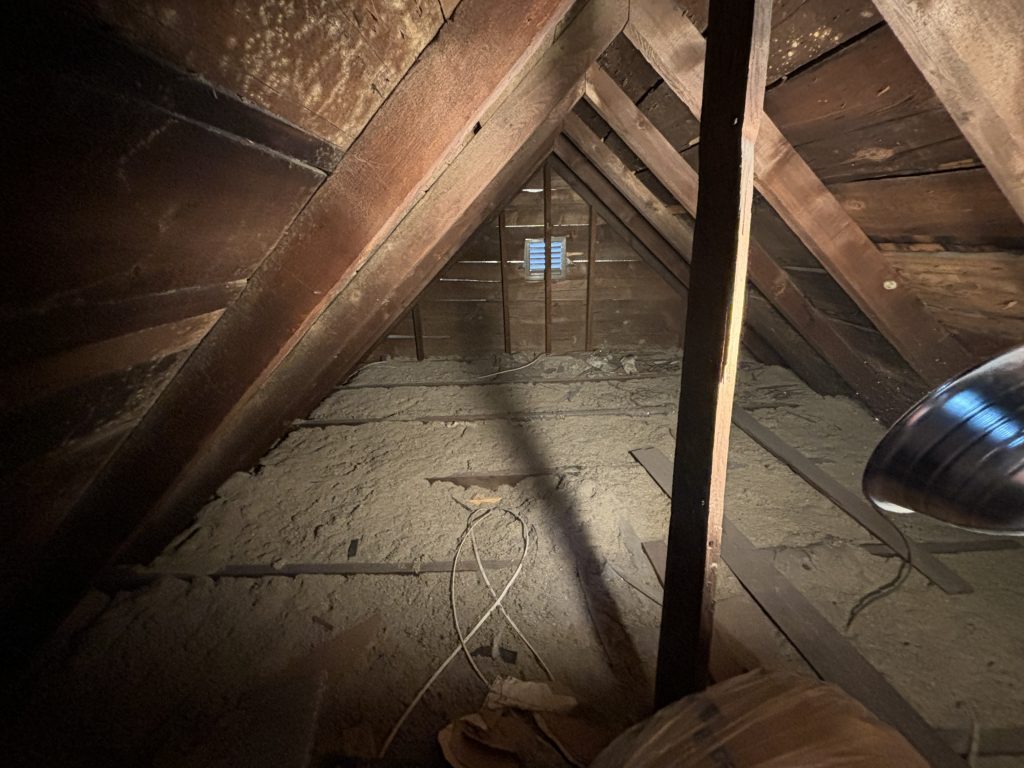
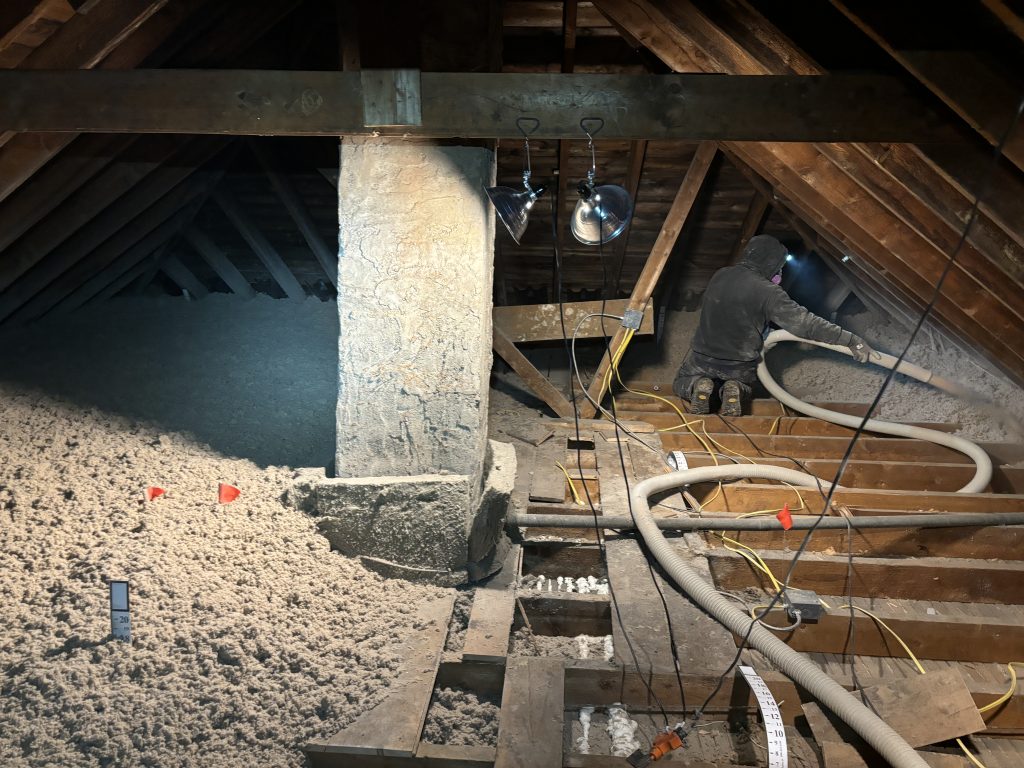
Up to 25% of heat loss in New England homes happens through the attic. Proper insulation here is essential to keep warm air inside and reduce energy bills. Blown-in cellulose is a popular choice for attic retrofits, while spray foam offers unmatched air sealing, especially in tricky rooflines or kneewalls. Both options help maintain a consistent temperature and improve your home’s overall energy efficiency.
💡For more information on how to make your home more energy efficient, check out our guide on improving energy efficiency.
Basements & Crawlspaces: Moisture & Cold Zone
Basements and crawlspaces are prone to moisture, drafts, and cold floors—especially in older New England homes. Closed-cell spray foam is ideal for these areas, as it creates a vapor barrier that blocks moisture while also insulating. This dual function helps prevent mold growth and freezing pipes.
💡To learn more about the best basement insulation options, visit our basement insulation guide.
Walls (Exterior & Interior): Often Neglected in Older Homes
Many older homes in NH and VT were built without wall insulation or have degraded materials. Dense-packed cellulose can be blown into wall cavities without major demolition, improving comfort and efficiency without altering the home’s character. This type of retrofit insulation is great for homes with historic charm but in need of modern energy efficiency.
💡For more on which is better, cellulose or foam insulation, read our comparison between cellulose and spray foam.

Garages & Additions: Often Uninsulated – Quick Win
Attached garages and additions are frequently under-insulated, making them weak points in your home’s envelope. Sealing these areas with spray foam or rigid foam board (for new builds) helps regulate temperature and prevents cold air from seeping indoors. This quick fix can significantly improve your home’s overall insulation.
💡If you think your home may have poor insulation, check out our list of signs that poor insulation is affecting your house.
5 First-Hand Tips From Local Homeowners
1. Consider Blown-In Insulation for Older Homes
For older homes lacking adequate insulation, blown-in options can be an effective and minimally invasive solution.
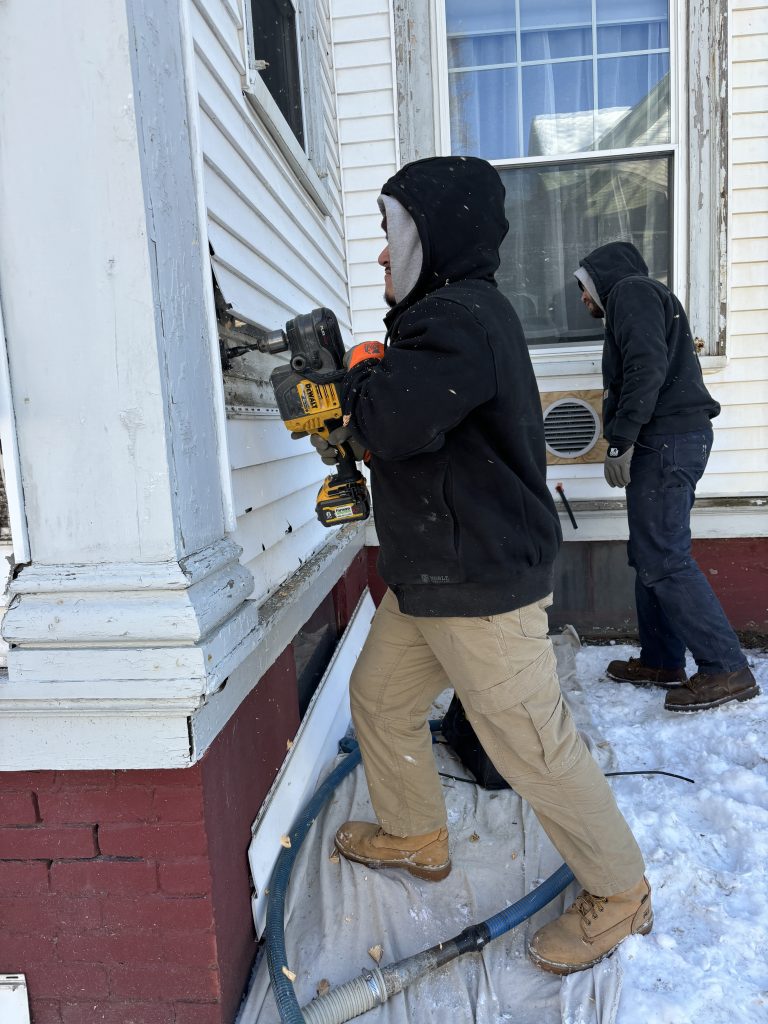
“You should consider having insulation blown into the walls from the outside. They pop a shingle every few feet and drill a hole. It’s simple and effective.”
2. Prioritize Air Sealing Before Adding Insulation
Ensuring that your home is properly sealed can significantly enhance the effectiveness of insulation.
“Air seal first. It’s at least as important as the insulation step.”
3. Be Cautious with Spray Foam in Older Structures
While spray foam offers excellent sealing properties, it may not be suitable for all older homes due to potential moisture management issues.
“Be careful with spray foam in an old home. It can mess up how the house handles water and moisture, leading to rot and mold.”
4. Take Advantage of Local Energy Efficiency Programs
Many New England states offer programs that subsidize energy efficiency improvements, including insulation upgrades.
“In New England, the energy company actually pays about 75% of the cost to get your attic blown-in insulation and air sealed.”
5. Ensure Proper Attic Ventilation
Proper ventilation in the attic is crucial to prevent moisture buildup and maintain insulation effectiveness.
“Don’t ever fully encapsulate your attic with insulation unless it’s tied into your HVAC…you’re just asking for moisture problems.”
Conclusion: What Insulation is Best For New England?
If your home is older (pre-1980s or historic):
👉 Blown-in cellulose is a top choice. It fills wall cavities and attics without major renovation, and it’s ideal for retrofitting New England’s older housing stock.
If you have cold floors, drafts, or uninsulated areas (like attics or crawlspaces):
👉 Spray foam is highly recommended. It seals air leaks and insulates in one step—perfect for basements, rim joists, and attic slopes.
If you’re dealing with moisture issues or musty smells:
👉 Go with closed-cell spray foam. It acts as a moisture barrier and prevents mold growth—ideal for basements and areas prone to condensation.
If you’re building a new home or doing a major renovation:
👉 Spray foam or a hybrid approach (rigid foam + batts) offers the highest performance and efficiency for long-term savings.
If you’re on a tighter budget but want better performance:
👉 Blown-in cellulose is cost-effective, eco-friendly, and still performs very well in walls and attics.
Ready to Insulate Your New England Home? Let Farnum Help
Whether you’re dealing with an under-insulated attic, a drafty old farmhouse, or building a brand-new home, Farnum Insulators has the experience and local knowledge to guide you. With over 20 years serving New Hampshire and Vermont, we specialize in blown-in cellulose and spray foam insulation—tailored to meet the challenges of New England living.
Schedule your free insulation assessment today and let’s make your home warmer, more efficient, and better protected—season after season.